Buying Guide
The best sweet potato wet dog food is not determined by one ingredient alone. A useful comparison looks at the named animal protein, whether the food is presented as a complete meal or a topper, the texture and serving format, and the dietary restrictions documented in the listing. Sweet potato may appear in a pâté, stew, broth-based recipe, pouch, or carton, so the right choice depends on both the formula and your feeding routine.
Start with the recipe’s role
First determine whether you need a complete wet food, a topper, or a complementary ingredient. Wellness Complete Health, CANIDAE Pure Goodness, Evanger’s Super Duck & Sweet Potato Dinner, Nulo Gently-Cooked Meals, VICTOR Turkey & Sweet Potato, WAG Stew, and Purina Beneful are all described as meals, complete foods, or complete-and-balanced options in their supplied evidence. That makes them more straightforward starting points for routine feeding.
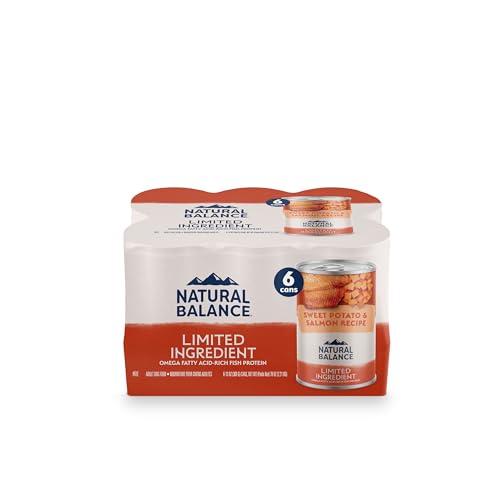
Natural Balance and Dave’s also document meal-or-topper use, giving them flexibility for mixed feeding. Solid Gold Weight Management is more purpose-specific, with high-fiber and weight-management positioning for adult dogs. That design may be useful when it matches the dog’s feeding plan, but weight goals should be discussed with a veterinarian rather than inferred from marketing language alone.
Compare the animal protein
The sweet potato ingredient does not tell you which protein will work best for an individual dog. The selections here cover salmon, duck, turkey, beef, chicken, and pork. CANIDAE and Natural Balance use salmon-centered recipes, while Evanger’s uses duck. Those alternatives may be relevant when an owner is seeking variety from more common poultry or beef recipes, although the supplied evidence does not establish that any specific protein is suitable for a particular allergy.
Turkey appears in several selected products, but the formats differ. Wellness presents turkey in a smooth pâté, VICTOR uses turkey stew cuts in gravy, WAG combines turkey with meat chunks in gravy, and Beneful offers a steam-cooked turkey dinner in a reclosable carton. Comparing the protein and texture together is more useful than choosing by flavor name alone.
Check complete-meal language
A product described as complete and balanced is different from a food described mainly as a topper or complement. Nulo explicitly identifies its adult pouches as complete and balanced. Evanger’s duck dinner is described as balanced for dogs of all life stages, while Wellness describes its food as complete and balanced for adult dogs. Purina Beneful likewise identifies its adult dinner as complete and balanced.
By contrast, a complementary product can still be useful for adding moisture or variety, but it should not automatically replace the dog’s main diet. The unselected Evanger’s single-ingredient sweet potato product is an example of a complement-style design, while the selected products were prioritized because their evidence better supports an independent wet-food comparison.
Match texture to feeding habits
Texture can affect how conveniently a food fits into a routine. Smooth pâté options such as Wellness and Solid Gold are easy to scoop and mix. VICTOR and WAG document stew cuts or meat chunks in gravy for owners seeking a more textured presentation. Nulo uses ready-to-serve pouches with broth, and Beneful uses reclosable cartons that can store unused portions.
The package size also matters. The selected products range from smaller single-serving-style formats to multipacks of roughly 12 to 13 ounces per unit. Smaller portions may help with controlled serving or occasional topping, while larger cans can be more practical for households feeding wet food regularly. The listing data does not provide a universal serving recommendation for every product, so use each label’s directions.
Review dietary exclusions carefully
Several selected foods are described as grain-free or free from corn, wheat, and soy. CANIDAE, Natural Balance, WAG, VICTOR, Solid Gold, and Dave’s provide some form of exclusion language. Wellness is different: it includes wholesome grains while stating that it contains no corn, wheat, or soy. Grain-free should therefore not be treated as automatically better; it is simply a design characteristic to compare with the dog’s established dietary needs.
Limited-ingredient positioning appears in CANIDAE, Natural Balance, and Evanger’s duck recipe. This can make the ingredient list easier to review, but it does not prove that a food will resolve a sensitivity. Read the complete label for all ingredients and consult a veterinary professional for suspected food reactions or medically managed diets.
Use the evidence conservatively
This is a specification-based comparison using public listing data, not a hands-on test. The descriptions support comparisons of ingredients, textures, package formats, stated life stages, and dietary positioning. They do not establish palatability, digestive results, allergy outcomes, or performance in an individual dog. Transition gradually when the product’s instructions recommend it, provide fresh water, and follow the package feeding guide.
Final Recommendation
CANIDAE Pure Goodness Salmon & Sweet Potato ranks first overall in this specification-based comparison under the published weighted criteria.
The final choice among the best sweet potato wet dog food depends on the documented features that match your intended use.
Wellness Complete Health Turkey & Sweet Potato is the highest-scoring returned product and the first overall specification-based choice. Its evidence combines a named turkey-and-sweet-potato recipe, adult complete-meal positioning, smooth pâté texture, added vitamins and minerals, and a clearly described ingredient profile. For owners seeking a grain-free design, CANIDAE Pure Goodness Salmon & Sweet Potato is a strong alternative with limited-ingredient positioning and meal-or-topper flexibility. Evanger’s Super Duck & Sweet Potato Dinner is another useful option when all-life-stage coverage and a duck protein are priorities.
Among the top sweet potato wet dog food choices, format may decide the final purchase. Nulo is convenient in ready-to-serve pouches, VICTOR and WAG provide stew-style textures, and Purina Beneful offers a reclosable carton. Choose the recipe whose documented life stage, protein, texture, exclusions, and serving format best match your dog rather than relying on the sweet potato reference alone.
Frequently Asked Questions
What should I look for in the best sweet potato wet dog food?
Look for a clearly named animal protein, an appropriate life stage, and labeling that explains whether the product is complete and balanced or intended as a topper. Then compare texture, package size, and documented exclusions such as grains, corn, wheat, or soy. Sweet potato is only one part of the overall recipe.
Is sweet potato wet food automatically grain-free?
No. Wellness Complete Health documents wholesome grains alongside turkey and sweet potato, while CANIDAE, WAG, VICTOR, Solid Gold, and other selected products describe grain-free designs. Check the individual ingredient statement and the product’s dietary description instead of assuming that sweet potato determines the presence or absence of grains.
Can these foods be used as toppers?
Several selected products explicitly allow topper use, including CANIDAE, Natural Balance, VICTOR, WAG, Dave’s, and Purina Beneful. However, topper language does not by itself establish that every product should replace a complete diet. Follow the label and account for added calories when mixing foods.
Which option offers a pouch or resealable package?
Nulo Gently-Cooked Meals uses ready-to-serve pouches and is described as shelf-stable before serving. Purina Beneful uses a reclosable carton intended to save extra portions. These formats may be convenient for travel, portion storage, or owners who prefer not to open a large can at once.
Should a veterinarian review a dog’s new diet?
Veterinary guidance is especially appropriate for puppies, seniors, dogs with diagnosed conditions, suspected food sensitivities, or weight-management needs. Product listings can describe ingredients and intended use, but they cannot determine whether a particular recipe is suitable for an individual dog.