Buying Guide
The best training lacrosse balls are not all designed to reproduce the same practice experience. The selected products fall into three useful groups: official-size molded-rubber balls, softer low-rebound balls, and youth or foam designs. A fourth option, the Brine Training Balls 2 Pack, uses specialized training shapes rather than presenting itself as a conventional game-ball replacement. Start by deciding whether your priority is regulation-style repetition, gentler beginner work, or a targeted skill exercise.
Choose official-size balls for game-like repetition
If you want practice to resemble standard lacrosse handling, look first at the documented size, weight, and standards. Champion Sports Official Lacrosse Balls, 12-Pack states that every ball is official size and weight and lists NOCSAE, NCAA, NFHS, and SEI credentials. The Champion Sports Official Lacrosse Balls, 2-Pack provides the same type of standards information in a smaller format. These are appropriate for shooting, passing, cradling, wall-ball drills, and handling work when you want a conventional molded-rubber ball.
STX Lacrosse Balls Mixed Color 4-Pack is another standard-oriented choice. Its listing says the balls are approved for college and professional play by the NCAA and NOCSAE, but it also says they are not NFHS approved. That distinction matters if a player specifically practices under NFHS requirements. The mixed white, yellow, orange, and lime colors can also help coaches or players distinguish balls during drills, although color alone does not establish performance.
Consider softer construction for beginners
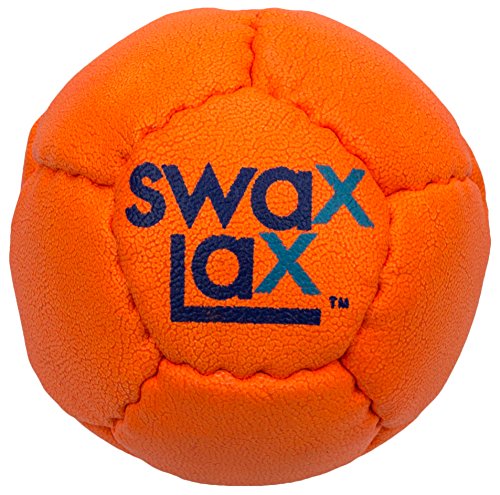
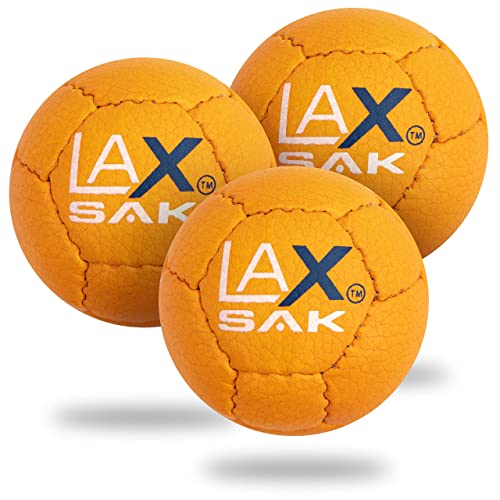
Softness changes the type of practice a ball can support. SWAX LAX is described as a patented shock-absorbing beanbag-style ball that retains regulation size and weight. Lax Sak uses a softer outer fabric and is also described as matching regulation size and weight. Both are positioned as less intimidating than hard rubber and as useful indoors or outdoors. These designs may help new players concentrate on catching and movement without starting with the firm feel of a conventional ball.
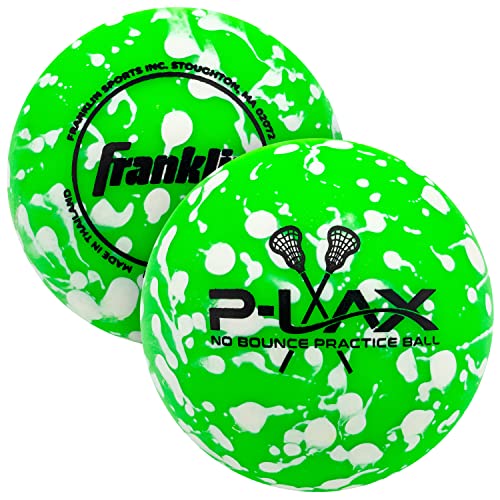
The Franklin Sports No-Bounce Practice Lacrosse Balls use liquid-filled construction and a lower center of gravity. The listing specifically connects that design with reduced bounce and easier scooping, passing, shooting, and control. This makes it a sensible choice for drills where chasing a rebound would interrupt repetition. It is still important to distinguish reduced-bounce practice behavior from official standards: the listing calls the ball official size but does not provide the same NCAA or NFHS approval details as the Champion sets.
Match foam or sponge balls to the training environment
Foam and sponge balls prioritize a softer training experience. Velocity Soft Foam Lacrosse Balls match regulation size but are listed at 2.4 ounces each, so their lighter feel may differ from a regulation-weight ball. They are described for indoor and outdoor use, with minimal bounce and goalie-training applications. This combination makes them a useful option for beginners, gym work, and low-impact repetitions where size matters but full weight is not required.
Champion Sports Practice Sponge Lacrosse Balls use molded soft construction and are described as lightweight and pliable. The 12-ball format is suitable for youth programs, gym classes, camps, and other sessions that need many balls available at once. CHAMPRO Sports Foam Lacrosse Balls also come in a 12-pack and are described for indoor practice and learning fundamentals. Their pink color is listed as highly visible, which may help players track the ball in a gym. Neither product’s supplied evidence establishes official size or standards, so use them as soft practice tools rather than certified game-ball substitutes.
Use specialized trainers for focused exercises
The Brine Training Balls 2 Pack includes two different training balls: one weighted for improving shot power and one screw ball for hand-eye coordination. This is a focused training kit rather than a general replacement for a bag of standard lacrosse balls. It can complement conventional practice by isolating a particular movement or coordination task. The supplied listing does not state official size, weight, or playing standards, so do not assume it provides regulation-ball practice.
Pack quantity should reflect how you train. A two-ball set is easy to carry and sufficient for individual work, but it provides fewer spares when a ball rolls away. Four- and six-ball sets offer more flexibility for small-group or rotating drills. Twelve-ball sets from Champion Sports, Champion Sports Practice Sponge, and CHAMPRO are better aligned with camps, classes, and team stations. Pack size does not indicate ball quality by itself; it simply changes how many repetitions can happen before collecting balls.
Consider the surface and rebound behavior
For hardwood, gyms, and confined practice areas, the lower-rebound designs deserve attention. SWAX LAX, Lax Sak, Franklin Sports No-Bounce, and Velocity all describe reduced bounce or minimal rebounds in their supplied evidence. Foam and sponge products are also specifically positioned for indoor practice. Official molded-rubber balls are better when you want conventional practice, but a hard ball may travel farther or rebound more actively in a small space. Choose based on the documented design rather than assuming every training ball behaves alike.
Final Recommendation
SWAX LAX Indoor Outdoor Training Ball ranks first overall in this specification-based comparison under the published weighted criteria.
Champion Sports Official Lacrosse Balls, 12-Pack is the first overall specification-based choice among these best training lacrosse balls because it combines official size and weight, broad standards documentation, molded-rubber construction, and a team-ready quantity. The Champion two-pack is the better compact alternative, while STX is useful when mixed colors and college or professional approval fit the session.
For beginners, SWAX LAX and Lax Sak offer softer designs while retaining a regulation-style size and weight according to their listings. Franklin Sports No-Bounce emphasizes controlled rebounds, and Velocity, Champion Sports Practice Sponge, and CHAMPRO provide softer foam or sponge formats in quantities suited to repeated drills. Brine is the focused choice for players who want weighted and coordination-oriented exercises. Together, these options cover the top training lacrosse balls for official-style practice, indoor control, beginner confidence, and targeted skill work.
Frequently Asked Questions
What should I look for in the best training lacrosse balls?
Start with the intended practice feel. Official size and weight are important for game-like repetition, while softer foam, sponge, fabric, or shock-absorbing construction may be more approachable for beginners and indoor drills. Also check whether the listing documents NOCSAE, NCAA, NFHS, or SEI credentials, since not every practice ball is presented as standards-approved.
Are soft lacrosse balls suitable for indoor practice?
Several selected products are explicitly positioned for indoor use. SWAX LAX is described for indoor cradling and stickwork, Lax Sak for hardwood floors and gym practice, and Velocity for indoor and outdoor training. Franklin Sports No-Bounce is also designed around lower-bounce control. The appropriate choice still depends on the space, drill, and desired ball feel.
Which top training lacrosse balls are best for beginners?
Velocity, Champion Sports Practice Sponge, and CHAMPRO document softer designs intended to make practice more accessible. SWAX LAX and Lax Sak also emphasize softer construction and beginner use, though their sizes and construction differ. Choose a regulation-style soft ball when size and weight familiarity matter, or foam and sponge when a gentler practice feel is the priority.
Do all training lacrosse balls have regulation dimensions?
No. SWAX LAX and Lax Sak state regulation-style size and weight, while Velocity states that it matches regulation size but is lighter. The supplied evidence for Brine, Champion Sports Practice Sponge, and CHAMPRO does not establish regulation dimensions. Confirm the listed specifications before choosing a ball for standards-focused practice.
How many balls do I need for team training?
A 12-pack is the most practical format among the selected products for camps, classes, team stations, and drills where several balls are active at once. Two-, three-, four-, and six-ball sets are more appropriate for individual practice or small groups. The right quantity depends on whether players rotate through one drill or work simultaneously across multiple stations.