Buying Guide
The best unscented antiperspirant deodorants are not all built the same. “Unscented” or “fragrance-free” addresses added scent, while the rest of the formula determines whether the product is a solid, gel, or roll-on and what skin or residue information is documented. This comparison uses listing specifications and feature claims only. It does not represent hands-on testing, medical advice, or a summary of customer opinions.
Start with the type of fragrance-free claim
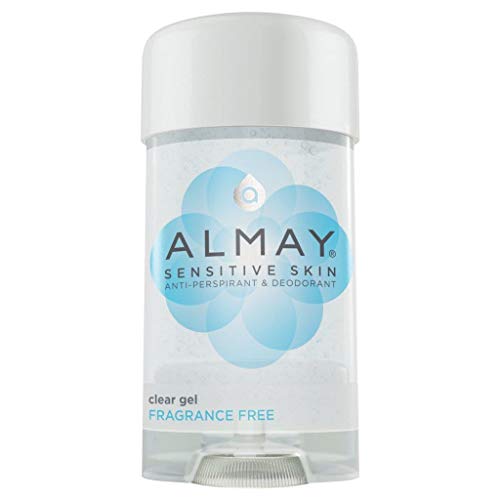
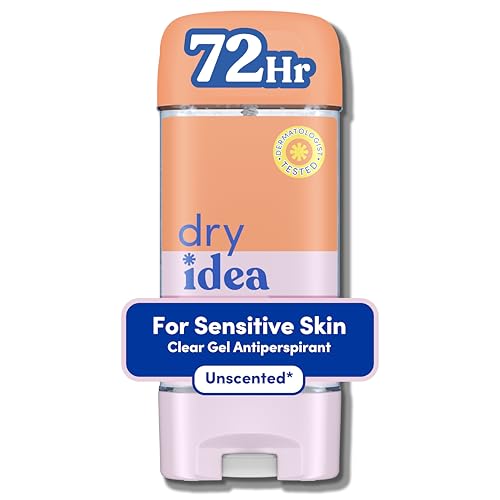
Look for the exact wording used by the listing. Vanicream is labeled unscented and says it contains no fragrance, while Almay is described as fragrance free and alcohol free. Several products use “unscented,” including Secret Original, Sure, Ban, and Mitchum. Dry Idea deserves a closer reading because its listing describes the product as unscented but includes a note about masking fragrance. If avoiding every added scent is important, compare the wording rather than treating all labels as identical.
Solid sticks are generally the simplest format represented here. Vanicream, Secret Original, Sure, and ARM & HAMMER ULTRAMAX all use solid formats. They are practical when you want a direct application style, but the supplied evidence does not give identical residue claims for each one.
Clear gels and roll-ons emphasize visibility. Almay’s gel is described as quick drying and leaving no white residue. Dry Idea’s gel goes on clear and is designed to dry quickly, while Ban’s roll-on glides on clear. Mitchum’s roll-on is also described as quick drying and free of white marks. A roll-on or gel may suit clothing-conscious routines, but drying time can be a consideration because liquid formulas need time to set.
Match protection claims to your needs
The listings use different duration claims, so they should be read as product-specific statements rather than a universal performance comparison. Vanicream and Secret Original list 24-hour protection. Ban lists 24-hour odor and wetness protection. Mitchum Triple Protection and ARM & HAMMER ULTRAMAX list 48-hour claims. Sure also lists 48 hours. Dry Idea lists up to 72-hour odor protection and extended sweat-protection language. Those figures describe the supplied listing claims; they are not independent test results.
If you prefer a product with a clearly stated duration, prioritize a listing that gives one. If you need to understand whether the claim covers sweat, odor, or both, read the wording carefully. For example, Dry Idea specifically separates sweat-protection language from its odor-control claim, while some other listings use a combined sweat-and-odor description.
Consider sensitive-skin details
Sensitive-skin shoppers have the most formula information to compare. Vanicream lists numerous exclusions, including fragrance, dye, talc, ethanol, baking soda, lanolin, parabens, formaldehyde releasers, botanical extracts, and essential oils. Almay is described as hypoallergenic, dermatologist tested, allergy tested, fragrance free, and alcohol free. Dry Idea is described as hypoallergenic and dermatologist tested; its roll-on listing also identifies phthalates, parabens, sulfates, and dyes as excluded.
Dove takes a different approach by documenting 0% alcohol, NutriumMoisture, and one-quarter moisturizers. Its listing connects the formula with underarms recovering from shaving irritation. Mitchum Triple Protection also specifies an alcohol-free formula and dermatologist testing. These descriptions can help narrow a choice, but they do not establish that a product will suit every person. Check the current package ingredients if you have a known sensitivity.
Separate antiperspirant claims from deodorant claims
Every selected product is presented as both an antiperspirant and deodorant, but the claims vary. Antiperspirant language generally refers to reducing or controlling wetness, while deodorant language addresses odor. Ban describes odor-fighting ingredients and Kihada extract. Secret Original states that its formula provides sweat and odor protection. Vanicream describes reduced underarm wetness and round-the-clock odor control. Reviewing both parts of the description is more useful than choosing from the word “deodorant” alone.
Use pack size as a practical detail
The selected products range from one-unit formats to two- and three-unit packs. A one-unit pack can make sense when comparing a new format, while a multipack may suit a routine already built around a particular solid or roll-on. Pack size does not change the formula evidence, so treat it as a logistics detail rather than a measure of protection.
Final recommendation
Vanicream Antiperspirant Deodorant Stick ranks first overall in this specification-based comparison under the published weighted criteria.
Vanicream Antiperspirant Deodorant Stick is the highest-scoring returned product and the first overall specification-based choice. It has the clearest sensitive-skin ingredient exclusions among these picks, along with unscented labeling, a smooth non-sticky stick, and a stated 24-hour protection claim. Almay Clear Gel Antiperspirant is the better fit when clear, quick-drying application is the priority. Dry Idea Unscented Roll-On and Dry Idea Unscented Clear Gel document extended protection and hypoallergenic positioning, while Mitchum Triple Protection Unscented Roll-On offers a quick-drying, alcohol-free roll-on.
For shoppers comparing the top unscented antiperspirant deodorants, the practical decision is whether you value ingredient exclusions, clear application, a solid format, or a specific duration claim most. Read the exact unscented wording, then verify the current ingredient panel if skin sensitivity is a concern. The best unscented antiperspirant deodorants are the ones whose documented format and formula details align with your routine.
Frequently Asked Questions
Among the best unscented antiperspirant deodorants, what is the best unscented antiperspirant deodorant for sensitive skin?
Vanicream is the most detailed sensitive-skin option in this comparison. Its listing says it is dermatologist-tested and excludes fragrance, dye, talc, ethanol, baking soda, lanolin, parabens, essential oils, and several other common irritants. Almay, Dry Idea, and Dove also provide sensitive-skin or formula-care details. Because individual sensitivities differ, check the current ingredient panel before use.
Are fragrance-free and unscented the same thing?
The terms are related but should not be assumed to mean precisely the same thing in every listing. Almay says fragrance free, Vanicream says unscented and lists fragrance among its exclusions, and Dry Idea includes an unscented claim with a masking-fragrance note. If added scent is a strict concern, use the product’s full feature wording and package ingredients as your guide.
Almay Clear Gel, Dry Idea Unscented Clear Gel, Ban Invisible Roll-On, and Mitchum Triple Protection Unscented Roll-On document clear or invisible application. Secret Original and ARM & HAMMER ULTRAMAX are invisible solids. Clear or invisible claims address visible residue, but the supplied evidence does not establish identical results across clothing or skin types.
Do unscented antiperspirants control odor as well as wetness?
The selected listings present these products as combination antiperspirants and deodorants, so they describe both wetness and odor functions. Ban discusses odor-fighting ingredients, while Vanicream, Secret Original, Mitchum, and others state combined sweat and odor protection. The duration and wording differ by product, so compare the specific claim rather than assuming one standard level.
Should I choose a gel, roll-on, or solid?
Choose a solid if direct application is most convenient. Choose a gel or roll-on if clear application and residue information matter more. Almay and Dry Idea document quick-drying clear gels, while Ban and Mitchum document clear or quick-drying roll-ons. Liquid formats may need drying time before dressing, whereas the evidence for solid products focuses more on stick application and invisible-solid design.