Buying Guide
Vanilla coffee creamer has become one of the most searched pantry upgrades in the US, and the best vanilla coffee creamers are no longer limited to a single bottle on a refrigerator shelf. This specification-based guide walks you through the formats, ingredient lists, dietary credentials, and storage requirements that determine which creamer suits a particular routine. Use it as a checklist before you narrow your shortlist.
Vanilla coffee creamers arrive in four broad formats that change how they store, dispense, and travel.
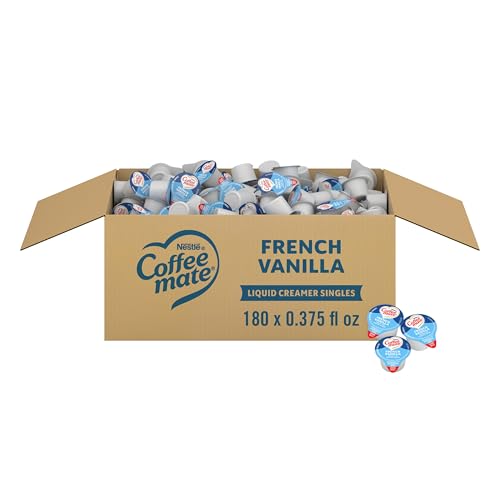
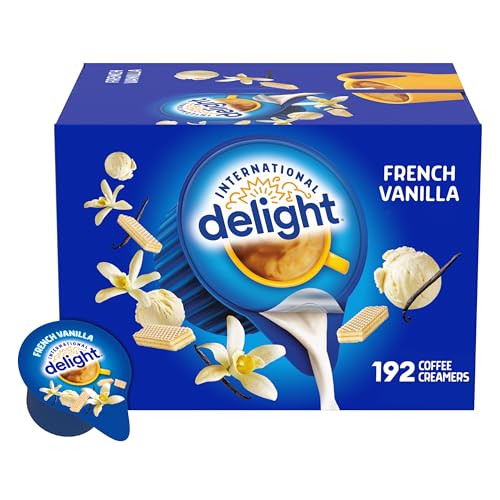
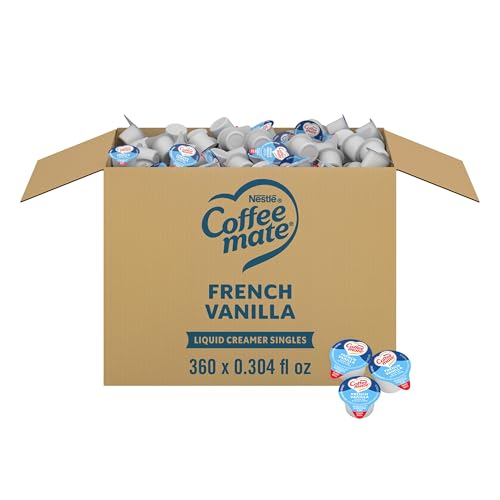
Liquid single-serve tubs are pre-portioned cups designed for offices, hotels, conference rooms, and travel. They require no refrigeration, blend into hot or cold coffee, and typically stay fresh at room temperature for several months. The Coffee Mate 180, 200, and 360 tub cases, plus the International Delight 192-count case, all sit in this category.
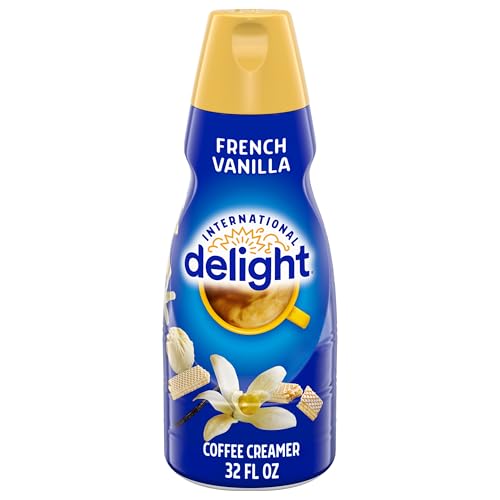
Refrigerated liquid bottles are the classic home and small-office format. They pour cleanly, blend without vigorous stirring, and pair with most brew methods. The International Delight 32 fl oz, the Coffee Mate 32 fl oz and 64 fl oz, and the multi-pack 16 fl oz six-pack all use this format.
Pump bottles are concentrated liquid creamers designed for shared spaces. The Coffee Mate 50.7 fl oz pump, including the two-pack variant, documents one-pump-equals-one-single portioning and tamper-resistant hardware for break rooms.
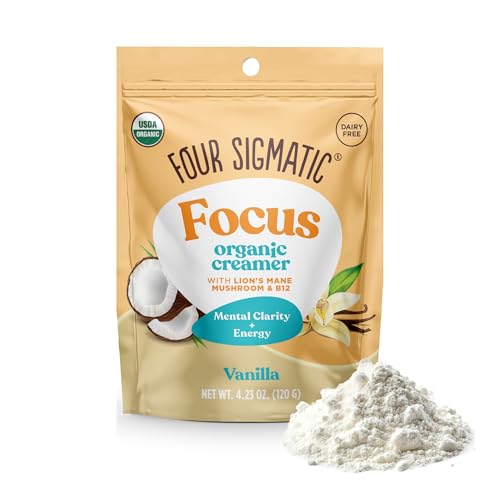
Powdered creamers store on the shelf, scoop into a mug, and travel without temperature control. They are a useful alternative when cold storage is limited.
Flavor Application Range
Flavor application range describes how well a documented creamer moves between hot brewed coffee, iced coffee, cold brew, espresso drinks, and mixed coffee beverages. Pump concentrates and singles are documented to blend into both hot and cold drinks. Refrigerated liquid bottles such as the International Delight 32 fl oz document compatibility with drip, French press, pour-over, espresso, and single-serve pod machines, making them strong all-purpose picks. Powdered creamers generally dissolve cleanly in hot coffee and cold brew but may need extra stirring in very cold drinks.
Dietary Inclusivity
Most vanilla creamers in this comparison document a non-dairy, lactose-free, and cholesterol-free profile. Several also document gluten-free and kosher-dairy certifications. Plant-based options such as oat-based creamers document a dairy-free, lactose-free, gluten-free, and carrageenan-free profile for those avoiding milk-derived ingredients. When dietary inclusivity matters, look for explicit labeling on the listing rather than relying on inference.
Shelf Life And Storage
Storage rules vary by format and are worth reading before you stock a pantry. Single-serve tubs and powdered creamers document shelf stability at room temperature for months, making them ideal for office closets and travel bags. Refrigerated liquid bottles document a 14-day chilled window after opening. Pump bottles document a 30-day chilled window once the seal is broken and the pump is engaged. Choose the storage profile that matches how quickly you go through a bottle.
Ingredient Transparency
Ingredient transparency covers how clearly a listing documents its components. Short-ingredient options such as those made with milk, cream, cane sugar, vanilla extract, and natural flavors are easier to evaluate than long ingredient decks. Organic dairy options document a four-ingredient build, while non-dairy options document a longer but clearly labeled ingredient list.
Brand Recipe Heritage
Brand recipe heritage reflects how long a brand has documented its creamer work. Established brands document decades of recipe iteration, which often shows up in tighter blending, broader format coverage, and well-documented dietary claims. Newer entrants document shorter histories but may focus on specialized dietary profiles such as organic dairy or plant-based blends.
How To Match A Creamer To Your Routine
- For a single daily mug at home, a 32 fl oz refrigerated bottle balances serving count and fridge footprint.
- For two or more daily drinkers, a 64 fl oz refrigerated bottle or a pump bottle documents a higher serving count.
- For shared offices and break rooms, a pump bottle or a large singles case documents tamper resistance and easy rotation.
- For travelers and conference attendees, single-serve tubs document room-temperature stability across long trips.
- For plant-based or organic routines, oat-based and organic dairy creamers document dairy-free or certified-organic ingredient lists.
Final Recommendation
International Delight French Vanilla, 32 fl oz ranks first overall in this specification-based comparison under the published weighted criteria.
International Delight French Vanilla, 32 fl oz earns the first overall specification-based choice because it documents compatibility with the widest range of brew methods, blends into both hot and cold drinks without vigorous stirring, and carries explicit lactose-free and gluten-free labeling. Among the top vanilla coffee creamers, its documented cross-brew flexibility stands out. For shared spaces, the Coffee Mate French Vanilla Pump Bottle, 50.7 fl oz adds documented one-pump portioning and a tamper-proof pump, while singles cases from Coffee Mate and International Delight document long shelf stability for offices and travelers. Powdered creamers remain a useful shelf-stable option when refrigerator space is tight. Together, these formats cover the full range of home, office, and on-the-go routines that buyers compare when searching for the best vanilla coffee creamers.
Frequently Asked Questions
What is the difference between refrigerated and shelf-stable vanilla creamers?
Refrigerated liquid creamers such as the International Delight 32 fl oz or Coffee Mate 32 fl oz and 64 fl oz bottles are poured and chilled after opening, with documented 14-day windows. Shelf-stable singles and pump concentrates are designed to store at room temperature until opened, then follow the chilled window noted on the label.
Are the best vanilla coffee creamers always non-dairy?
Not necessarily. The best vanilla coffee creamers include both non-dairy options that document lactose-free and cholesterol-free profiles and dairy-based options that document short, recognizable ingredient lists. Choosing between them depends on dietary preference and how each creamer is documented to perform in your brew method.
How do I choose between singles, pump bottles, and multi-serve bottles?
Singles are documented for travel, hotels, and conference rooms where portion control and storage flexibility matter. Pump bottles are documented for shared break rooms with one-pump portioning and tamper-resistant hardware. Multi-serve bottles are documented for everyday home or small-office use where a single refrigerated bottle is rotated through within two weeks.
Can vanilla coffee creamers be used in cold brew and iced coffee?
The listings for refrigerated bottles, pump concentrates, and singles all document blending into cold beverages. Pump concentrates are documented to blend quickly with both hot and cold drinks, and refrigerated bottles are documented to pour cleanly into iced coffee and cold brew without clumping.
For offices and shared kitchens, pump bottles and large singles cases are documented for tamper resistance, portion control, and long rotation cycles. The Coffee Mate 50.7 fl oz pump documents one-pump-equals-one-single dispensing, while the 180, 200, and 360 tub singles cases document months of shelf stability for steady catering demand.
Plant-based vanilla creamers such as oat-based options document a smooth, creamy texture and a dairy-free, lactose-free, gluten-free, and carrageenan-free profile. They are documented to blend into coffee, smoothies, and shakes, and they offer an alternative for drinkers who avoid milk-derived ingredients.
How should I store opened vanilla creamers?
Opened refrigerated liquid bottles and pump concentrates should be chilled and used within the documented window on the label, typically 14 days for multi-serve bottles and 30 days for pump bottles. Singles should remain sealed until use and stored at the documented room-temperature range.