Buying Guide
Vegetarian coconut oils are not all the same product, and the differences between cold-pressed virgin jars, refined high-heat bottles, and fractionated carrier oils shape how each one fits into a plant-based routine. The best vegetarian coconut oils on the US market in 2026 cover cooking, baking, smoothies, oil pulling, skin moisturizing, scalp care, massage, and essential-oil dilution, but each format carries its own trade-offs. This guide walks through the specifications that actually matter, then highlights where each of the ten selected options fits.
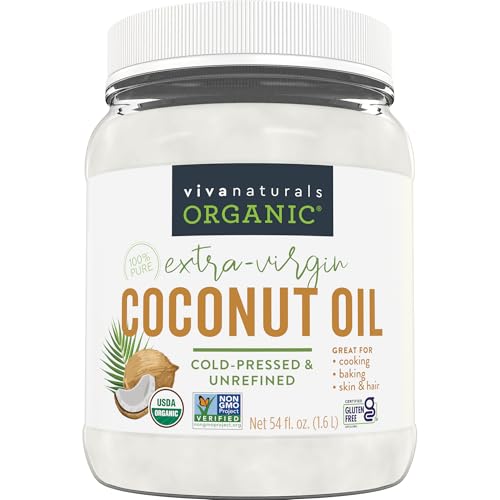
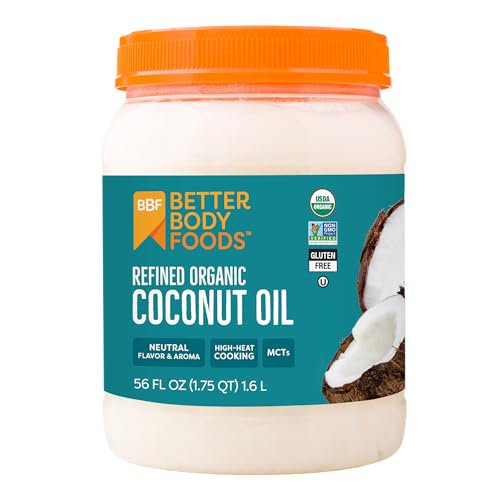
Extraction is the first specification to check. Cold-pressed virgin oils, like the Viva Naturals Organic Coconut Oil, 54 fl oz and the Nutiva Organic Virgin Coconut Oil, 15 fl oz, use mechanical pressure without added heat or solvents, which preserves more of the coconut aroma and naturally occurring fatty acids. Expeller-pressed options, such as the 365 by Whole Foods Market Organic Virgin Coconut Oil, 14 fl oz, follow a similar approach and are typically labeled as unrefined. Refined oils, like the BetterBody Foods Refined Coconut Oil 56 Fl Oz, are processed further to remove flavor and aroma, which gives them a higher smoke point and a more neutral taste. Fractionated coconut oils, including the PURA D’OR Organic Fractionated Coconut Oil, 16 fl oz, the Handcraft Blends Fractionated Coconut Oil, 16 fl oz, and the Carrington Farms Organic Liquid Coconut Oil, 16 fl oz, separate the medium-chain triglycerides and stay liquid at room temperature, which is what makes them useful as carrier oils.
Certifications and dietary fit
For a vegetarian or vegan kitchen, certifications matter because they document how the oil was grown and processed. USDA organic labels appear on the Viva Naturals, Nutiva, Parachute Naturalz, 365 by Whole Foods Market, Amazon Grocery, Garden of Life, BetterBody Foods, and Carrington Farms entries, while non-GMO verification adds another layer on top of that. Garden of Life and Handcraft Blends both call out vegan status directly, and Nutiva lists compatibility with vegetarian, vegan, raw, whole food, paleo, ketogenic, and gluten-free diets in one line. If you follow a strict raw or whole-food plan, look for raw and unrefined wording rather than just organic, since refining can strip some of the compounds raw-food eaters prioritize.
Smoke point and cooking use
Smoke point decides whether an oil is safe for your stovetop routine. The BetterBody Foods Refined Coconut Oil 56 Fl Oz documentation lists a 425°F smoke point, which is the highest in the roundup and works well for frying and sautéing. The Viva Naturals Organic Coconut Oil, 54 fl oz lists a 350°F smoke point, which is still suitable for baking, sautéing, and frying. The 365 by Whole Foods Market Organic Virgin Coconut Oil, 14 fl oz is documented for medium heat tolerance up to 280°F, so it is a better match for stir-frying, curries, and lower-temperature cooking. Fractionated and liquid coconut oils, like Carrington Farms Organic Liquid Coconut Oil, 16 fl oz, are generally not positioned as high-heat cooking fats, so reserve them for dressing, drizzling, and personal-care applications.
Container format affects both convenience and sustainability. Glass jars, such as the Parachute Naturalz Organic Virgin Coconut Oil, 16 fl oz, can be washed and reused after the oil is finished, which supports a low-waste kitchen. BPA-free plastic bottles, like the Carrington Farms Organic Liquid Coconut Oil, 16 fl oz, are lighter and easier to pour but may not be as easy to repurpose. Bulk formats, including the Viva Naturals Organic Coconut Oil, 54 fl oz and the BetterBody Foods Refined Coconut Oil 56 Fl Oz, give the most oil per container, while the 14 to 16 fl oz jars are easier to store and finish before flavor drifts. Solid virgin oils typically stay solid below about 76°F, so plan for a warm spoon or a brief stovetop melt if your kitchen runs cool.
Personal care and carrier oil use
Several of the best vegetarian coconut oils pull double duty as carrier oils for skin and hair. Their fractionated format means they stay liquid, absorb quickly, and blend easily with essential oils for massage, scalp care, or DIY skincare.
Matching oil to cooking style
If your routine centers on baking, curries, and sautés, the cold-pressed virgin jars (Viva Naturals, Nutiva, Parachute Naturalz, 365 by Whole Foods Market, Amazon Grocery, and Garden of Life) are the closest match. For neutral-flavor baking or high-heat frying where you do not want coconut aroma, the refined BetterBody Foods option is the more practical choice. If you want a pourable oil that behaves more like olive oil on the stovetop, the Carrington Farms liquid coconut oil is the only option in this roundup that stays liquid without melting first.
Sizing up the container
Container size shapes how often you reorder. The two largest options, BetterBody Foods at 56 fl oz and Viva Naturals at 54 fl oz, are sized for households that cook with coconut oil almost daily. The 16 fl oz bottles, which include Parachute Naturalz, Carrington Farms, PURA D’OR, and Handcraft Blends, are a middle ground that fits most pantry shelves. Smaller jars, like 365 by Whole Foods Market at 14 fl oz, Garden of Life at 14 fl oz, and the 1 fl oz The Organic Forest bottle, suit travel, trial use, or split kitchen and bathroom-shelf routines.
Final recommendation
Nutiva Organic Virgin Coconut Oil, 15 fl oz ranks first overall in this specification-based comparison under the published weighted criteria.
The final choice among the best vegetarian coconut oils depends on the documented features that match your intended use.
Among the top vegetarian coconut oils in this comparison, the Viva Naturals Organic Coconut Oil, 54 fl oz stands out as the first overall specification-based choice thanks to its documented cold-pressed extraction, USDA organic certification, 350°F smoke point, and large 54 fl oz container that works for both stovetop cooking and personal care. For cooks who want a neutral-flavor, high-heat oil, the BetterBody Foods Refined Coconut Oil 56 Fl Oz is the next step, while the Nutiva Organic Virgin Coconut Oil, 15 fl oz is a strong fit for label-reading vegetarians who want detailed MCT and lauric acid figures. Together, these three cover most of the cooking and personal-care routines the rest of the top vegetarian coconut oils in this list are designed to serve.
Frequently Asked Questions
What makes a coconut oil vegetarian?
A coconut oil is vegetarian when it contains no animal-derived ingredients and is processed without animal-based processing aids. Most cold-pressed virgin and fractionated coconut oils in this roundup, including Nutiva, Garden of Life, and Handcraft Blends, are inherently plant-based, and several list vegan status directly in the documentation.
Is virgin coconut oil better than refined for cooking?
Virgin coconut oil keeps more coconut aroma and naturally occurring compounds, while refined coconut oil has a higher smoke point and a more neutral flavor. For medium-heat cooking where you want coconut taste, the Viva Naturals or Parachute Naturalz jars work well. For higher-heat frying or neutral-flavor baking, the BetterBody Foods refined option is the better match.
Can the best vegetarian coconut oils be used for skin and hair?
Yes. Pick the format that matches whether you want a rich balm feel or a fast-absorbing liquid.
How should I store coconut oil to keep it fresh?
Solid virgin oils keep well in a cool, dark pantry with the lid closed, and fractionated oils in BPA-free bottles, like Carrington Farms, are best stored away from direct sunlight. Refrigeration can extend shelf life but will solidify liquid and fractionated formats, so plan to warm the jar briefly before use if you chill it.
Which of the vegetarian coconut oils is best for high-heat cooking?
The BetterBody Foods Refined Coconut Oil 56 Fl Oz documents the highest smoke point at 425°F, which makes it the most specification-aligned fit among these vegetarian coconut oils for frying and sautéing. The Viva Naturals Organic Coconut Oil, 54 fl oz is a close second with a listed 350°F smoke point for baking and everyday stovetop cooking.