Buying Guide
Selecting the best vegan baking chocolates comes down to a few specification decisions that drive real results in the oven. Beyond the headline vegan label, the technical factors below separate passable options from reliable ones for cookies, brownies, cakes, and confections. Use them alongside the top vegan baking chocolates in this guide to match each product to a baking role.
Match Cocoa Percentage to the Recipe
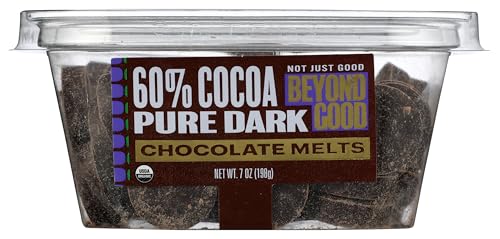
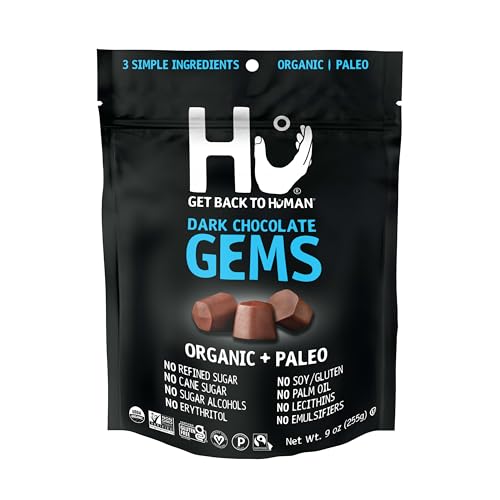
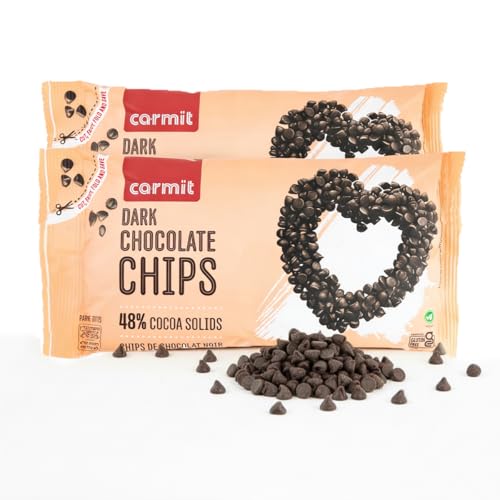
Cocoa percentage shapes sweetness, bitterness, melt viscosity, and how a chocolate holds up in dough. 100% cacao or 92% cacao is unsweetened and intense, so it works best in recipes where sugar is balanced elsewhere. Mid-range percentages between 48% and 70% are the most flexible for cookies, muffins, and brownies. The 70% Madagascar and 60% Uganda melts documented in the Beyond Good lineup, the 65% cacao in the Hu Dark Chocolate Baking Chips, and the 48% cocoa in the Carmit chips show how a single category can span the full intensity spectrum. Picking the right percentage is the single biggest decision for plant-based baking because vegan batters tend to highlight chocolate flavor more than dairy versions.
Format dictates how heat reaches the chocolate. Morsels and chips are designed to keep their shape after baking, which is ideal for visible chocolate pockets in cookies. Melts and chunks are positioned between bars and chips, so they soften but still register as chocolate bites. Bars add flexibility because they can be chopped, grated, or melted into batters for frostings, ganache, or brownies. The Beyond Good melts, the Hu Gems hexagons, and the King David scored bar each document a specific format choice, so the format claim is real, not marketing. Consider what the recipe actually needs before choosing a shape.
Read the Allergen and Certification Stack
Vegan is only one item on the label. Common co-occurring claims for the best vegan baking chocolates include gluten-free, kosher, non-GMO, and allergen-controlled production. The Enjoy Life Dark Chocolate Morsels and Enjoy Life White Baking Mini Chips document a 14-allergen exclusion list and a dedicated nut-free, gluten-free facility, which is meaningful for shared kitchens. The Hu Gems are explicitly free from soy lecithin, emulsifiers, and refined sugar, matching the standards of bakers who want ingredient discipline beyond vegan.
Look at Sourcing and Trade Practices
Cocoa quality is heavily influenced by origin and trade structure. Single-origin chocolate from Madagascar or Uganda tends to deliver more distinctive flavor notes than blended bulk cocoa, and the Beyond Good 70% Madagascar, 60% Uganda, and 92% Madagascar melts document this origin chain directly. Direct Trade Verified claims go beyond generic Fair Trade by paying documented premiums to farmers, which is part of the specification stack for those melts. Sourcing signals should be part of the decision, not a bonus footnote.
Evaluate Ingredient Discipline
Clean ingredient lists matter for both flavor and structure. Chips with added vegetable oils, refined sugars, or emulsifiers can behave unpredictably in vegan batters because the fat profile is different from dairy chocolate. The Hu Gems listing explicitly excludes soy lecithin, emulsifiers, and refined sugar, the King David bar uses a vegetable-oil dilution for smoother melting, and the Guittard unsweetened bar gives the baker full control over sweetener. The fewer unnecessary additives, the easier it is to predict how the chocolate will melt, snap, and disperse in dough.
Assess Packaging and Quantity
Package size affects how often a baker reorders. A 7 oz bag suits a single cookie batch, while a 14.1 oz two-pack like the Carmit chips supports repeated baking sessions. The Hu Gems ship in a 9 oz bag, the Enjoy Life chips come in a 9 oz bag, and the Beyond Good melts are 7 oz each. The King David bar is sold as two 300 g bars for a 600 g total, which is enough for multiple dessert projects. For shared kitchens, multi-pack formats reduce the risk of running out mid-recipe.
Plan for Melt and Storage Conditions
Some vegan baking chocolates include shipping notices about warm-weather melting. The Hu Gems listing flags this risk directly, and the King David bar repeats a similar caution. Unsweetened baking bars like the Guittard 6 oz pack of 3 are more stable in transit because they have no added sugar or milk to bloom. Storage habits matter too: resealable bags and opaque packaging help preserve cocoa flavor and prevent fat bloom. If a kitchen runs warm, prioritize formats that document storage guidance or use sturdier packaging.
Final recommendation
Beyond Good 70% Dark Chocolate Melts, Madagascar, 7 oz ranks first overall in this specification-based comparison under the published weighted criteria.
The final choice among the best vegan baking chocolates depends on the documented features that match your intended use.
The highest-scoring product in this comparison is the Beyond Good 70% Dark Chocolate Melts, Madagascar, 7 oz, making it the first overall specification-based choice for plant-based baking. It combines a clear 70% cocoa percentage, named single-origin Madagascar cocoa, USDA Organic and Direct Trade Verified credentials, and a melt format purpose-built for cookies and brownies. The Beyond Good 60% Dark Chocolate Melts, Uganda, provides a balanced lower-intensity option, and the Beyond Good 92% Dark Chocolate Melts, Madagascar handles recipes that need a strong cocoa backbone. For everyday vegan cookie baking, the Hu Gems and Enjoy Life Dark Chocolate Morsels stay close to the specification baseline, while the Guittard Unsweetened Baking Bar and King David Vegan White Baking Bar fill custom-formulation and white-chocolate roles. The Carmit Dark Chocolate Chips and Enjoy Life White Baking Mini Chips round out the lineup with bulk and allergen-safe options, and Hu Dark Chocolate Baking Chips cover a 65% cacao middle ground. Together, these top vegan baking chocolates give bakers a credible specification-based toolkit for every common vegan baking need.
Frequently Asked Questions
Among the best vegan baking chocolates, what makes a chocolate safe for vegan baking?
A chocolate is safe for vegan baking when it contains no dairy, no animal-derived emulsifiers, and no confectioner’s glaze, and when the brand documents that manufacturing avoids shared dairy equipment. The best vegan baking chocolates state these conditions explicitly, list certifications like vegan or kosher pareve, and avoid whey, milk fat, butter, and honey in ingredient decks. Allergen-controlled production in dedicated nut-free or gluten-free facilities adds another safety layer for households with multiple dietary restrictions.
How does cocoa percentage change a vegan baking recipe?
Cocoa percentage sets the balance between sweetness, bitterness, and fat content. Higher percentages like 70% or 92% bring deeper cocoa flavor and less sugar, which often improves the structure of vegan brownies and dense cakes. Lower percentages like 45% or 48% taste milder and behave more like semisweet chips in cookies. Most bakers keep one mid-range product and one high-percentage product on hand to cover both quick bakes and recipes that need a deeper cocoa backbone.
Are chips, melts, chunks, and bars interchangeable in baking?
They are interchangeable in some recipes, but not all. Chips and morsels are designed to hold their shape, melts and chunks are positioned to soften while still keeping bite, and bars are meant to be chopped, grated, or melted into batters. Substituting a melt for a chip in a cookie recipe can flatten the chocolate pockets, while using a bar instead of chips in a brownie recipe can give a more uniform cocoa distribution. Matching the format to the recipe produces more consistent results.
Why does single-origin cocoa matter for vegan baking chocolate?
Single-origin cocoa carries flavor notes that are tied to a specific region, soil, and climate. Madagascar cocoa in the Beyond Good 70% and 92% melts is documented as bright with red-fruit notes, while Uganda cocoa in the Beyond Good 60% melt is described as earthy with apricot and cinnamon notes.
Should butter, oil, or lecithin be added when melting vegan chocolate?
The King David vegan white baking bar documents a vegetable-oil dilution guideline for smoother melting, which is a practical technique for any vegan chocolate that seizes. Soy lecithin is common in non-vegan chocolate but is excluded from several vegan options like the Hu Gems, so a small amount of coconut oil or cocoa butter is often a better fit. Adding liquid too early can cause seizing, so warming the chocolate gently over a double boiler and stirring in fat gradually produces the smoothest results.