Buying Guide
Choosing the best on-ear headphones with volume control starts with identifying how the control works, what device the headphones must connect to, and who will wear them. The products above are not hands-on test winners; they are ranked from the supplied public listing evidence. That means the most useful comparisons are documented features such as control placement, connection format, microphone inclusion, fit adjustment, volume limiting, folding hardware, and stated durability details.
Decide between direct volume control and volume limiting
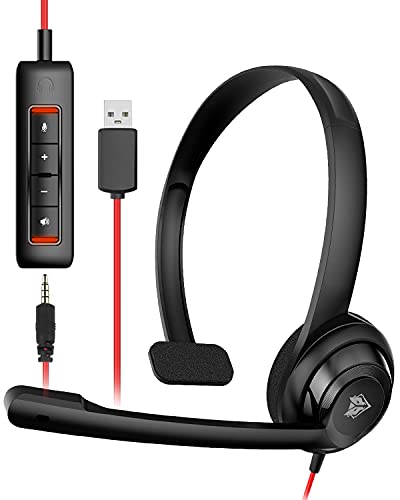
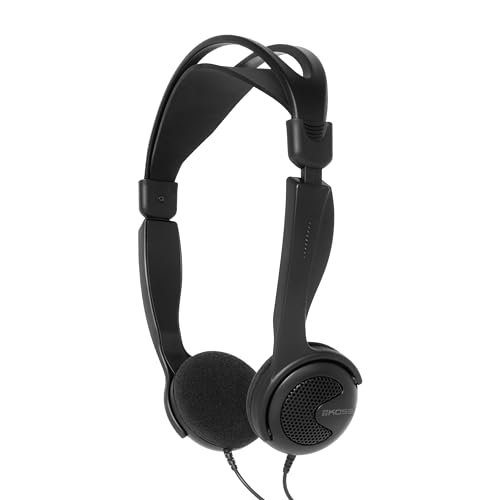
A physical volume control lets the listener change playback level without opening a device menu. The Panasonic RP-HT227-K and Koss KTXPro1 use controls on the cable, while the NUBWO HW02 and HamiltonBuhl Motiv8 list in-line controls for computer and classroom use. The PDP Phantom Air places volume controls on the headset itself, which is convenient during gaming when reaching for a controller or keyboard may interrupt play.
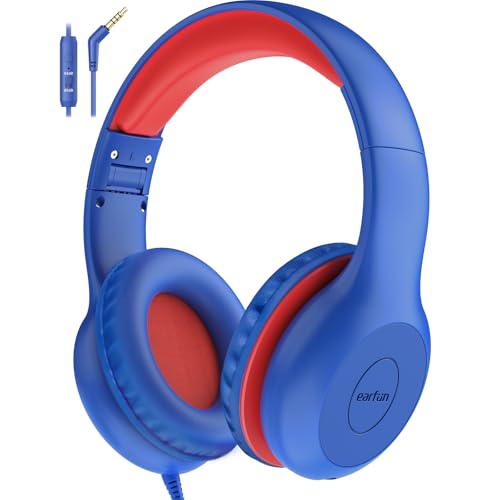
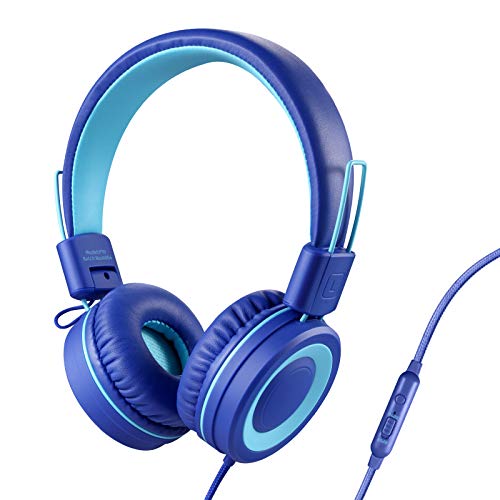
Volume limiting is different from an ordinary volume button. Kid-focused models such as the JLab JBuddies Studio, POWMEE P10, IYGR K6, WaveBlend, and EarFun K1 document limits or selectable modes intended to keep listening within stated levels. POWMEE lists 85dB and 94dB settings; IYGR lists 84dB study and 95dB travel modes; and WaveBlend and EarFun list 85dB/94dB modes. These specifications can help parents choose a model around a child’s routine, but a stated limit is not a substitute for sensible listening supervision.
Match the connection to the source
Wired 3.5mm headphones remain useful for tablets, laptops, Chromebooks, phones with the appropriate port, and older audio equipment. Koss specifically lists CD players, cassette players, computers, tablets, and laptops. HamiltonBuhl models emphasize slim-barrel or TRRS compatibility for classroom devices.
The NUBWO HW02 is a hybrid computer option: its 3.5mm connection works with phones or tablets, while its detachable USB control box adds computer-oriented volume and mute functions. The PDP Phantom Air takes a different route with Bluetooth-compatible and 2.4GHz wireless modes. Its rechargeable battery is specified for up to 35 hours, so it is better suited to listeners who want wireless movement and gaming features rather than a simple plug-in headset.
Consider microphones and call controls
A microphone is valuable for remote learning, meetings, calls, and multiplayer gaming, but it can add bulk. NUBWO includes an adjustable boom microphone and separate mute functions. HamiltonBuhl’s Motiv8 uses a steel-reinforced gooseneck microphone, making it particularly tailored to classroom instruction and testing. The JLab, POWMEE, IYGR, and EarFun models include built-in microphones for children’s calls or online learning.
If music or video playback is the main activity, Panasonic and Koss keep the design simpler by focusing on stereo drivers, cushions, headband adjustment, and cord-based volume controls. If communication is central, choose a model whose microphone and mute functions are explicitly documented rather than assuming every in-line remote includes voice support.
Check fit, padding, and adjustment
On-ear headphones rest on the ears rather than surrounding them, so headband adjustment and cushion material matter. Panasonic lists soft padded ear cups and lightweight construction. Koss lists plush foam cushions, an adjustable headband, and a soft flexible head sling. The HamiltonBuhl classroom models use padded or leatherette cushions and adjustable headbands.
Children’s designs add smaller sizing and different adjustment priorities. IYGR describes a kid-sized structure, adjustable ear cups, and a 113-gram weight. WaveBlend lists soft cushions, an adjustable headband, and a 4.8-ounce weight. JLab lists an adjustable metal headband and Cloud Foam Eco Leather cushions. These details support a more tailored fit, but the supplied information cannot establish how any model feels on a particular head.
Look for storage and cable protection
Foldability helps with backpacks, drawers, and travel cases. Panasonic, JLab, POWMEE, IYGR, WaveBlend, and EarFun document folding or compact storage features. Cable construction is another practical distinction: HamiltonBuhl lists a chew-resistant, tangle-resistant Dura-Cord, while WaveBlend and EarFun list braided cords. Those details indicate design intent, not a guarantee against damage.
For gaming, the PDP’s swiveling cushions support a lay-flat position, while its wireless design removes a physical audio cable during use. For basic travel, a foldable wired model may be simpler because it does not require charging. Consider whether your routine favors cable-free movement, instant plug-and-play use, or a durable cord for shared equipment.
Choose features for the actual listener
The best on-ear headphones with volume control are not identical in purpose. Panasonic and Koss suit uncomplicated wired listening. NUBWO and Motiv8 are oriented toward calls, school, and computer use. JLab, POWMEE, IYGR, WaveBlend, and EarFun focus on children, volume limits, portability, and microphones. PDP is the specialist gaming option with wireless switching, a battery, and on-headset controls.
Before choosing, confirm the device connector, desired fit, need for a microphone, and whether the listener needs ordinary level adjustment or a documented volume-limiting design. Also note any listing ambiguity: JLab and EarFun include wording that does not consistently describe the fit as on-ear, so shoppers who require a precise on-ear profile should verify the manufacturer’s current fit description.
Final Recommendation
HamiltonBuhl Motiv8 Mid-Sized Multimedia Headset ranks first overall in this specification-based comparison under the published weighted criteria.
PDP Phantom Air Dual-Mode Wireless Gaming Headset is the highest-scoring returned product and the first overall specification-based choice among the best on-ear headphones with volume control. Its on-ear controls, Bluetooth compatibility, 2.4GHz connection, QuickSwitch button, swiveling cushions, and stated 35-hour battery make it the broadest feature match for gaming and wireless use.
For a simpler wired choice, Panasonic RP-HT227-K adds foldability, padded ear cups, and cord-based control. Koss KTXPro1 is a practical alternative for older and newer 3.5mm sources. For calls or lessons, NUBWO HW02 and HamiltonBuhl Motiv8 document the clearest microphone and mute-related features. Families comparing the top on-ear headphones with volume control for children should focus on the stated limits and fit details of POWMEE, IYGR, WaveBlend, JLab, and EarFun rather than treating adult and child designs as interchangeable.
Frequently Asked Questions
What should I look for in the best on-ear headphones with volume control?
Start with the control type. A cord remote or on-headset button changes playback level, while a volume limiter sets a documented ceiling or selectable listening mode. Then check the source connection, microphone needs, adjustment range, and whether the listing clearly identifies the fit as on-ear.
Are wired on-ear headphones easier to use than wireless models?
Wired models such as Panasonic RP-HT227-K, Koss KTXPro1, and HamiltonBuhl HA2V do not require charging or pairing, provided the device has a compatible port. Wireless models such as PDP Phantom Air offer more movement but introduce battery and connection considerations.
Which selected models include microphones?
NUBWO HW02 and HamiltonBuhl Motiv8 list boom or gooseneck microphones. JLab JBuddies Studio, POWMEE P10, IYGR K6, and EarFun K1 list built-in microphones. WaveBlend also lists a microphone in its product features.
Do all volume controls protect hearing?
No. Ordinary volume controls only adjust the level. The kid-focused JLab, POWMEE, IYGR, WaveBlend, and EarFun models document volume limits or selectable dB modes. Those specifications describe a design feature, not a guarantee of safe listening in every situation.
Which features help with travel or school storage?
Foldable models include Panasonic RP-HT227-K, JLab JBuddies Studio, POWMEE P10, IYGR K6, WaveBlend, and EarFun K1. Braided or chew-resistant cable designs are documented for WaveBlend, EarFun, and the HamiltonBuhl classroom models.