Buying Guide
Choosing the best on-ear headphones with microphone mute buttons starts with the mute mechanism, but the right model also depends on how you connect, how long you work, and whether you need a boom microphone that can move between ears. This comparison uses public listing specifications and feature descriptions. It is not a hands-on test, and it does not summarize customer opinions.
Start with the mute control
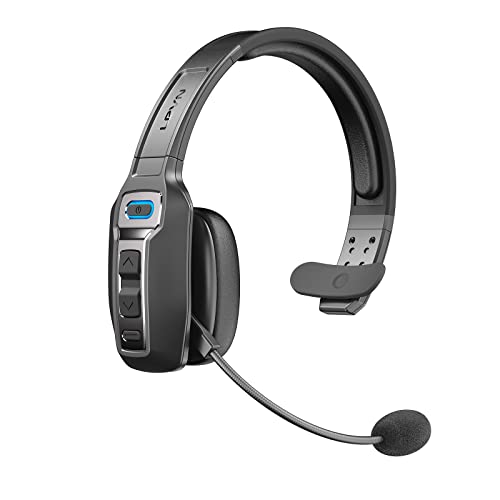
A dedicated physical mute button is more useful for calls than a vague statement that a headset has call controls. The DSAMMEA describes a microphone mute button with a voice prompt, while the LEVN HS011 and LEVN HS013 describe quick mute or one-touch mute functions. The Wantek and FEABASK use inline controls, which can be convenient when the headset is connected by cable.
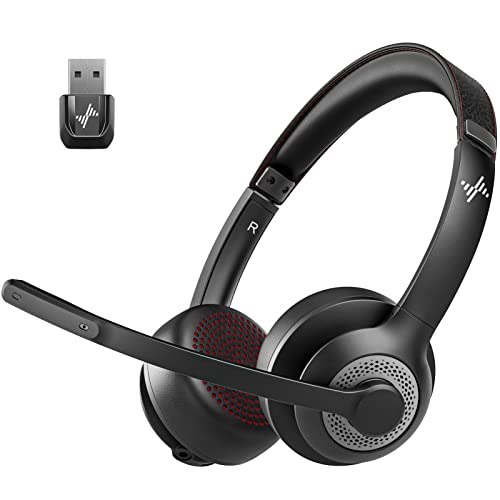
The JIAMQISHI EH02 is notable because its 3.5mm cable includes mic mute and speaker-mute controls. COMEXION documents one-press mute but also warns that its M100 version may only mute on cell phones; PC software mute requires the dongle version. That detail illustrates why buyers should check whether mute works at the device or application level.
Match connectivity to your workspace
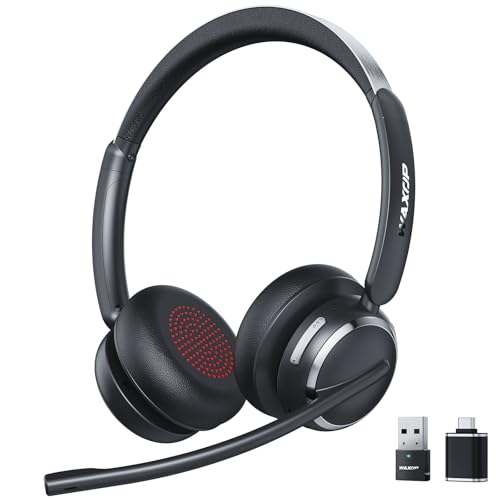
Bluetooth is useful for phones, tablets, and laptops, but a USB receiver can simplify connection to a desktop computer. The DSAMMEA supports Bluetooth 5.2 and a USB-A dongle. Waxop goes further with Bluetooth 6.0 plus USB-A and USB-C adapter support. The LEVN HS011 uses Bluetooth 5.3 and a 2.4G USB dongle, while the LEVN LE-HS013 combines Bluetooth 5.2 with a USB dongle.
For a wired setup, Wantek supports USB-A, USB-C, and 3.5mm, giving it the broadest connector coverage among the wired picks. FEABASK provides USB and 3.5mm. The JIAMQISHI EH02 adds a 3.5mm cable to its wireless options, so it can continue operating when wireless pairing or battery availability is inconvenient.
Consider battery claims carefully
Wireless battery figures are listing claims, not independent measurements. Even so, they help separate products designed for short sessions from models intended for long shifts. Waxop and the LEVN LE-HS013 list up to 65 hours of power or working time. The LEVN LE-HS012 also lists up to 65 hours of work or music time, while the LEVN HS011 states up to 50 hours of talk time.
The Necode A19 specifies up to 36 hours of talk time and 55 hours of music time. COMEXION lists up to 30 hours of continuous talking. JIAMQISHI’s EH02 lists up to 14 hours of wireless use, but its wired cable provides a practical alternative. Wired Wantek and FEABASK models do not need battery scoring because their operation is cable-based.
Check microphone positioning and fit
A rotatable boom can be helpful when you prefer the microphone on a particular side. DSAMMEA, LEVN, Necode, and COMEXION document microphones that rotate or can be used on either side. The LEVN HS011 and Necode A19 specifically describe 270-degree positioning. A flexible boom may also make it easier to keep the microphone near the preferred speaking position, but the supplied data does not establish actual voice performance.
For long sessions, look for evidence about cushions, headbands, and weight. DSAMMEA describes soft protein-leather cushions and a glasses-friendly fit. LEVN HS011 lists breathable memory-foam cushions and a lightweight frame. Wantek and FEABASK describe soft or memory-foam ear cushions with adjustable headbands. These features indicate design intent, but personal comfort still depends on head shape, glasses, and clamping preference.
Decide between single-ear and binaural designs
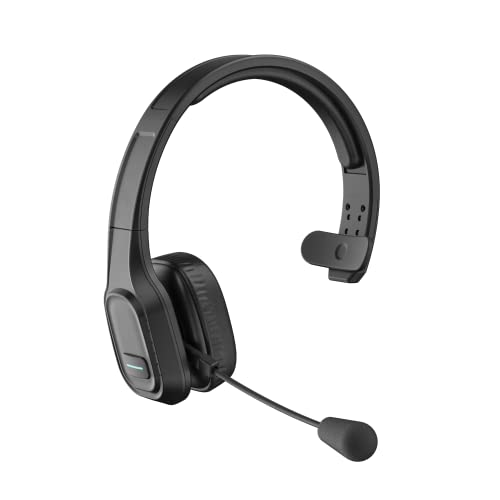
The Necode A19 and several trucker-style models emphasize rotating earcups or one-sided use. This can suit mobile calling and situations where awareness of the surrounding environment matters. The LEVN LE-HS013 describes a binaural on-ear design, which may be preferable when you want audio over both ears. The supplied listings do not provide standardized isolation measurements, so choose based on the documented form factor rather than assuming a particular noise-blocking result.
Verify computer compatibility
Before buying, check the exact port and application requirements. Bluetooth-only models such as Necode require Bluetooth on the computer, and its listing says desktop phones are unsupported. COMEXION’s listing distinguishes phone mute from PC software mute. USB-A dongles may require an adapter on newer laptops, while Waxop and Wantek offer USB-C support according to their supplied specifications. If you use a work platform with special headset controls, confirm compatibility separately because a physical mute button may not behave identically in every application.
Final Recommendation
DSAMMEA Wireless Work Headset ranks first overall in this specification-based comparison under the published weighted criteria.
DSAMMEA Wireless Work Headset is the highest-scoring returned product and the first overall specification-based choice among the best on-ear headphones with microphone mute buttons. It combines a documented mute button, Bluetooth 5.2, USB-A dongle support, two-device use, long stated talk time, and an adjustable boom microphone. Waxop is a strong alternative for users who need USB-C adapter support and Bluetooth 6.0. The LEVN HS011 is another practical choice for long calls, with Bluetooth 5.3, a 2.4G dongle, and up to 50 hours of stated talk time.
For a wired desk headset, Wantek offers USB-A, USB-C, and 3.5mm connections, while FEABASK keeps the design simpler with USB and 3.5mm. JIAMQISHI EH02 is the better fit when you want wireless operation plus a cable fallback. Necode and COMEXION suit buyers who prioritize trucker-style mobility and two-device Bluetooth use. Among the top on-ear headphones with microphone mute buttons, the best choice depends on whether your priority is multi-device flexibility, wireless endurance, or a cable that avoids charging.
Frequently Asked Questions
No. The supplied evidence shows that behavior can vary. COMEXION specifically notes a limitation for PC software mute on its M100 version, while other listings describe device-level or inline mute controls. Check the headset and application requirements before purchasing.
Are wireless or wired on-ear headsets better for office calls?
Wireless models provide more movement and can connect to phones or computers without a cable. Wired models such as Wantek and FEABASK avoid battery charging and can offer multiple physical connectors. The better option depends on whether mobility or uninterrupted cable-based operation matters more.
Waxop documents USB-C adapter support, and Wantek lists USB-A, USB-C, and 3.5mm connections. JIAMQISHI EH02 includes a 3.5mm cable and a USB dongle, but the supplied evidence does not clearly specify a native USB-C audio connection.
How much battery life should a work headset have?
For occasional meetings, a shorter stated runtime may be sufficient. For call-center shifts or frequent meetings, models listing 40 to 65 hours of talk or working time provide more reserve on paper. Actual runtime can vary with volume, connection mode, and use, so treat these figures as manufacturer claims.
Can a boom microphone be used on either side?
Several selected models document two-sided use. DSAMMEA, LEVN HS011, Necode, and COMEXION describe rotatable microphones or left- and right-side positioning. This feature is useful when you switch ears or need a particular desk setup, but it does not by itself prove a particular level of voice clarity.