Buying Guide
The best boys’ western boots should be compared as footwear first and costume pieces second. A useful specification review looks at the boot’s shape, entry method, cushioning, sole, and upper material together. The products above cover toddler, little-kid, and big-kid sizing, but the documented size on each listing is only a reference point; families should still consult the relevant size chart and check whether the child needs a standard or wider fit.
Start with the boot’s western shape
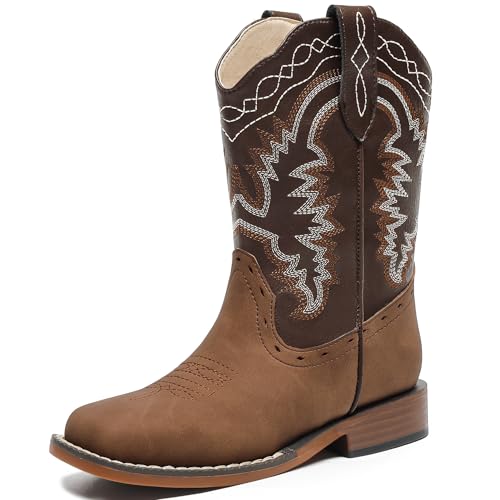
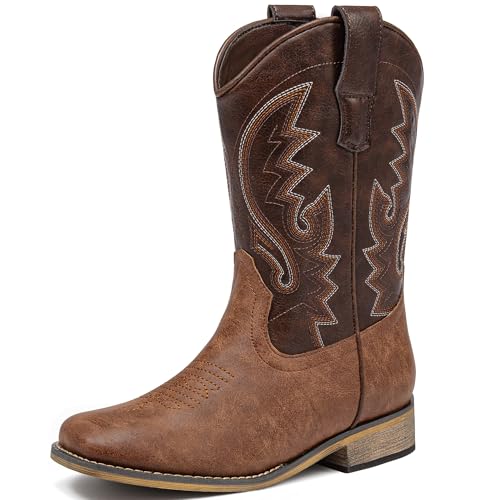
Western identity comes from a combination of details rather than one keyword. The selected models document square toes, western or block heels, embroidered shafts, pull straps, and mid-calf profiles. The ROPER Scout has a 9-inch shaft and traditional western heel, while the Smoky Mountain Jesse and Durango Lil’ Rebel use square toes. The DREAM PAIRS model adds a stars-and-stripes-inspired pattern, and the LAURMOSA boot uses embroidered styling.
A square toe can give the front of the boot a broader appearance, but the listing language is not a substitute for measuring a child’s foot. Rollda specifically describes one model as having a roomy square toe, while other listings simply state square toe. Treat those descriptions as product-design information, not a guarantee of fit.
Match the closure to the child’s independence
Pull-on tabs are common across this category and can simplify dressing. The Scout uses pull-on construction, the Durango and ROCKY models identify pull straps, and the LAURMOSA boot specifies pull-on tabs. The Rollda Kids model adds dual pull-up tabs, while the other Rollda model combines pull tabs with a side zipper.
A side zipper may be useful when a child finds a taller boot difficult to pull over the foot, but it also adds another component to operate. Hook-and-loop booties were not selected for this comparison because the requested category is full western boots rather than infant soft-sole footwear. Closure claims should be checked against the child’s age, dexterity, and preferred routine.
Compare cushioning and lining details
Cushioning is one of the clearest comfort specifications in the listings. Durango names a Cushion Flex insole and soft mesh lining. ROCKY lists a padded cushion insole on both Ride FLX designs, while ROPER specifies a padded insole and fabric lining. Parrosoo and LAURMOSA also identify cushioned insoles, and the Rollda designs mention soft or breathable lining.
These features indicate what the manufacturer documents underfoot, but they do not establish how a particular child will experience the boot. Pay attention to the full fit: a cushioned insole cannot correct an unsuitable length, width, or shaft opening. A boot with a synthetic lining may have a different feel from one with mesh or fabric lining, so material preferences can matter.
Examine the outsole and heel
Rubber and TPR outsoles appear throughout the selected group. The Durango, Smoky Mountain, ROCKY, ROPER, and LAURMOSA listings identify rubber soles or outsoles. The Parrosoo model documents a stable rubber sole and 1-inch heel; the Rollda side-zip model lists a 1.1-inch heel.
For daily play, look for a sole description that aligns with the intended surface. A patterned or non-slip outsole is relevant to traction, while a flexible sole may be more comfortable for movement. A heel is part of the western silhouette, but the listings do not provide a universal recommendation for every activity. Avoid treating a stated traction feature as proof of performance in conditions the listing does not describe.
Weigh leather against synthetic construction
Material descriptions vary considerably. Durango specifies full-grain leather in the foot, collar, and pull straps but a faux shaft. Smoky Mountain identifies a genuine leather upper. Both ROCKY models document full-grain leather, with the Ride FLX pairing it with a synthetic shaft. ROPER uses synthetic leather, and Rollda, DREAM PAIRS, and similar youth designs document synthetic materials.
Leather and synthetic materials can differ in feel, maintenance, structure, and appearance, but the supplied listings do not provide laboratory durability data. Use the named material as a comparison point rather than assuming that one construction will suit every child. Also note whether the listing describes lining, stitching, or sole attachment; Durango’s steel shank and double-row sole stitch are unusually detailed examples.
Consider weather and intended use
The ROCKY Original Ride FLX is the only selected product with an explicit waterproof construction claim. That makes it the clearest option to investigate for wet-weather use, while the other boots are described for everyday wear, outdoor play, events, school, farm activities, or themed occasions without an equivalent waterproof specification.
For dress-up, the DREAM PAIRS pattern, LAURMOSA embroidery, and Rollda stitching provide visible style details. For regular wear, cushioning, entry method, and outsole construction may matter more than decorative elements. The right choice depends on whether the boot is intended for occasional events, daily outfits, or active outdoor use.
Final Recommendation
Durango Lil’ Rebel Big Kid Western Boot ranks first overall in this specification-based comparison under the published weighted criteria.
The final choice among the best boys’ western boots depends on the documented features that match your intended use.
Durango Lil’ Rebel Big Kid Western Boot is the first overall specification-based choice. Its full-grain leather components, steel shank, stitched sole, rubber outsole, lining, and Cushion Flex insole give it the most complete documented construction package in this comparison. The ROCKY Original Ride FLX Waterproof Western Boot is the clearest alternative when an explicit waterproof construction is important, while the ROCKY Big Kids’ Ride FLX emphasizes flex construction and cushioning.
For younger children, the ROPER Kids’ Scout Boot offers pull-on construction, a padded insole, and a defined 9-inch shaft. The Rollda Kids Cowboy Boot is worth considering when a roomy square toe and dual pull tabs are priorities, and the side-zip Rollda adds another entry option. The Smoky Mountain Jesse provides a genuine leather upper with a block heel, while Parrosoo and LAURMOSA offer low-heel or embroidered styling with documented cushioning and rubber soles. Together, these are the top boys’ western boots here by documented fit, comfort, western design, outsole, and construction features—not by hands-on testing.
Frequently Asked Questions
How should I choose the best boys’ western boots for a growing child?
Start with the listed size and the manufacturer’s size chart, then compare toe shape, shaft opening, closure, and insole details. A roomy square toe may appeal to families seeking more front-of-boot space, but the supplied descriptions do not guarantee a particular fit. Check the child’s measured foot length and width before selecting a size.
Are full-grain leather boots better than synthetic western boots?
The listings document different material packages rather than a universal winner. Durango and ROCKY specify full-grain leather in selected areas, Smoky Mountain identifies a genuine leather upper, and ROPER, Rollda, and DREAM PAIRS specify synthetic materials. Compare the named upper, shaft, lining, and sole details with the child’s intended use and material preferences.
Which selected boot documents waterproofing?
The ROCKY Original Ride FLX Waterproof Western Boot explicitly lists waterproof construction. The other selected products document rubber or TPR soles, linings, and outdoor use, but those details should not be interpreted as waterproof claims. For wet conditions, verify the product’s current care and use information before relying on it.
What closure is easiest for children?
Pull tabs and pull-on construction are the most common entry details in this selection. The ROPER Scout, Durango Lil’ Rebel, ROCKY Ride FLX, and LAURMOSA models document pull straps or tabs. One Rollda model adds a side zipper, which may help a child who has trouble pulling on a taller boot, but it introduces an additional closure to operate.
Do western boots need a heel?
A heel contributes to the traditional western profile, and the selected listings document low, block, or traditional heels. Parrosoo lists a 1-inch heel, while the side-zip Rollda lists a 1.1-inch heel. Choose based on the child’s fit and intended activity; the supplied evidence does not establish that one heel height is appropriate for every child.