Buying Guide
The best buttonhole stitch sewing machines are not defined by stitch count alone. A useful comparison starts with how the machine forms buttonholes, then considers fabric control, stitch adjustment, workspace, and the convenience features that affect setup. The products above are ranked from supplied listing descriptions and specifications; they were not hands-on tested, and this guide does not summarize customer opinions.
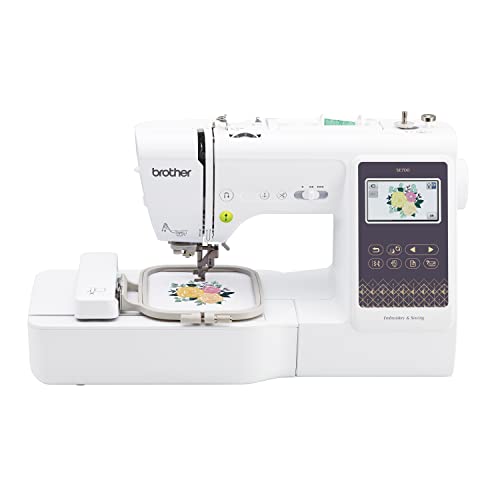
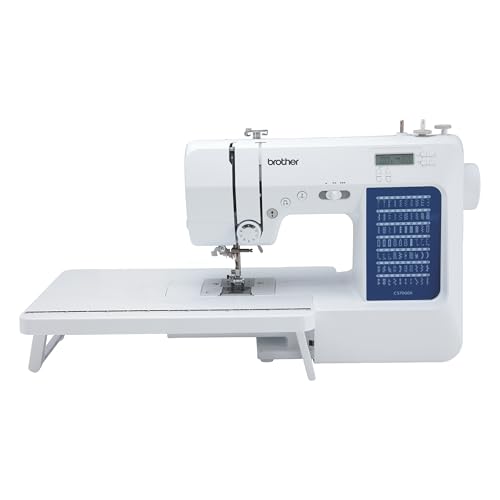
Look for the exact buttonhole wording in the listing. A one-step buttonhole generally indicates that the machine can size or form the opening in a more guided sequence, while the number of styles indicates how many documented shapes are available. The SINGER Quantum Stylist 9960 lists 13 fully automatic one-step buttonhole styles. Brother’s SE700 lists 10 one-step auto-size styles, the Brother XR9550 lists eight, and the Janome JW8100 and Brother CS7000X each list seven. These are the most specification-aligned choices when buttonhole variety is more important than a simple closure.
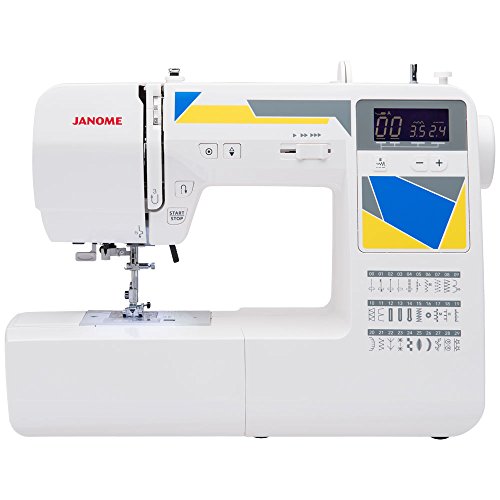
A single one-step buttonhole can still be useful. The SINGER 4423, SINGER 4452, and Janome 1522DG each document one buttonhole function, while the Janome MOD-30 lists three. The distinction is not a claim about finished results; it is simply a way to match documented capability with project needs. If your projects use several garment styles, prioritize machines with multiple listed buttonhole options. For occasional repairs or basic garments, one documented one-step function may be sufficient.
Choose computerized or mechanical controls
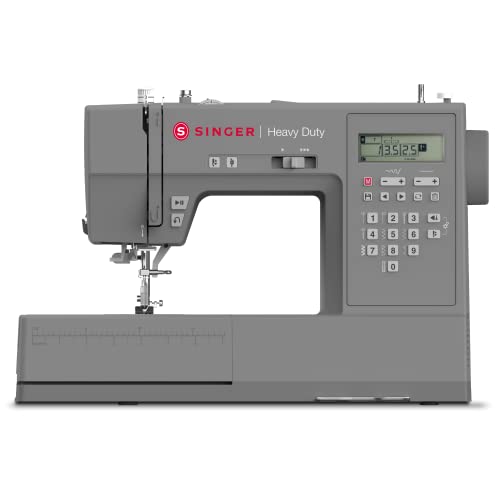
Computerized models provide screens or touch interfaces for selecting stitches and changing settings. The 9960, HD6700C, CS7000X, XR9550, JW8100, and MOD-30 all document computerized selection or display features. The Brother SE700 and SE2000 add touchscreen-based embroidery controls. These designs can be useful when you want many stitch choices, lettering, speed control, or saved settings in one interface.
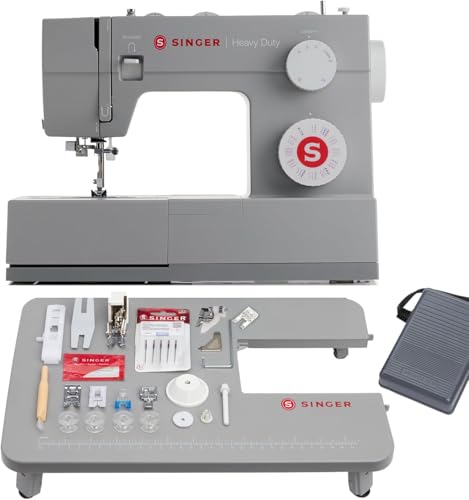
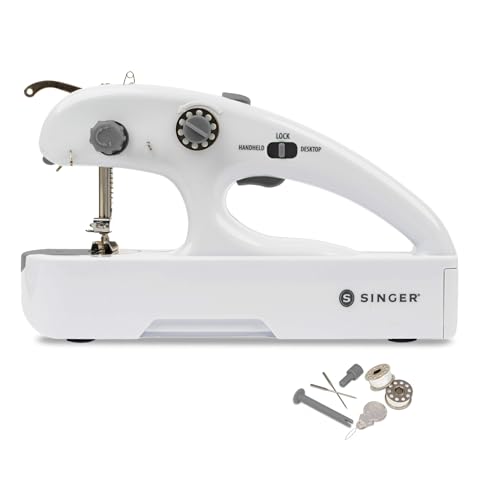
Mechanical machines use dials or simpler controls. The SINGER 4423 and 4452 are appropriate examples among the selected products. Their listings document adjustable stitch settings, needle threading, and top drop-in bobbins without presenting them as computerized machines. A mechanical design may be preferable if you want direct controls and do not need a large menu of buttonhole styles or decorative stitches.
Match fabric handling to your projects
Fabric-handling evidence varies across this group. The SINGER HD6700C, 4423, and 4452 are positioned for heavier fabrics, with descriptions mentioning enhanced or stronger piercing power and metal-frame construction. The SINGER 4423 also lists adjustable presser-foot pressure and extra-high presser-foot lift. Those features are relevant when your sewing includes denim, canvas, leather, or multiple layers, although listing evidence should not be treated as a hands-on performance guarantee.
Quilting-oriented features matter for large or layered pieces. The Janome JW8100 includes an extension table, even-feed foot, and quarter-inch quilting foot. The CS7000X and XR9550 include wide tables, while the Brother XR3774 is documented with a wide table and quilting feet but is not part of this top 10. A wide table can provide more support around the needle area; it does not replace checking the machine’s dimensions and the space available in your sewing area.
Buttonholes are the focus, but utility and stretch stitches influence how broadly a machine can serve. The 9960 lists 600 built-in stitches and 1,172 stitch applications. The SE2000 lists 241 sewing stitches, while the HD6700C lists 411 stitch applications and a lettering font. The XR9550 lists 165 built-in stitches, including alphanumeric stitches, and the JW8100 lists 100 built-in stitches.
A larger number is not automatically better for every buyer. If your work centers on shirts, skirts, and simple alterations, a smaller library such as the MOD-30’s 30 stitches may be easier to navigate. If you make costumes, décor, quilts, or personalized items, the broader stitch and lettering options on the 9960, SE2000, HD6700C, or XR9550 may be more relevant.
Review threading, bobbin, and workspace features
Automatic needle threaders appear on many selected models, including the 9960, SE2000, SE700, CS7000X, XR9550, JW8100, MOD-30, and SINGER heavy-duty options. Top or drop-in bobbins with clear covers are also documented on several machines, making thread-level inspection easier according to the supplied listings. These are convenience features, not proof of flawless operation.
A free arm can help with sleeves and other tubular areas. The JW8100 and MOD-30 document free-arm capability, while the SINGER 4423 and 4452 listings also reference free-arm or extension-table configurations. Consider both the removable accessories and the available table space before choosing a machine for large projects.
Final recommendation
SINGER Quantum Stylist 9960 ranks first overall in this specification-based comparison under the published weighted criteria.
The SINGER Quantum Stylist 9960 is the first overall specification-based choice among these best buttonhole stitch sewing machines because it documents 13 automatic one-step buttonhole styles, extensive stitch variety, speed control, and start/stop operation. It is the most specification-aligned fit for users who want the broadest documented buttonhole selection and substantial creative range.
The Brother SE2000 is the better match when wireless embroidery and sewing are both priorities, while the SINGER HD6700C is a logical heavy-fabric computerized alternative. For quilting, the Janome JW8100 and Brother CS7000X provide useful workspace and accessory evidence. The Janome MOD-30 offers a simpler computerized route, and the SINGER 4423 or 4452 suit buyers who prefer mechanical heavy-duty designs. Together, these are the top buttonhole stitch sewing machines to compare by project type rather than by headline stitch count alone.
Frequently Asked Questions
Start with the documented buttonhole type and number of styles. Then check whether the machine offers the fabric control, stitch adjustment, workspace, and threading features your projects require. Multiple one-step styles are useful for varied garment work, while a single one-step function can cover simpler needs.
Not automatically. Computerized models such as the 9960, SE700, and XR9550 document multiple selectable buttonhole styles and display-based controls. Mechanical models such as the SINGER 4423 and 4452 document one-step buttonholes with simpler operation. The better fit depends on whether you value buttonhole variety and menu controls or direct mechanical adjustment.
Which selected machine is most suitable for quilting?
The Janome JW8100 documents an extension table, even-feed foot, and quarter-inch quilting foot. The Brother CS7000X and XR9550 also list wide tables, and the CS7000X includes a larger needle-to-arm workspace. These features make them relevant candidates for quilting projects, subject to your preferred accessories and available workspace.
Do all selected machines support embroidery?
No. The Brother SE2000 and SE700 are sewing-and-embroidery combination machines. Their listings document embroidery fields, designs, and touchscreen or wireless features. The other selected products are presented as sewing or sewing-and-quilting machines, not as embroidery combinations.
No. Stitch count and buttonhole capability are separate considerations. The 9960 has a very large documented stitch library, but the Janome MOD-30 and SINGER 4423 may still fit buyers whose main needs are routine sewing and a documented one-step buttonhole. Prioritize the buttonhole features and controls you will actually use.