Buying Guide
Choosing among the best x 12-inch cutting boards starts with confirming what the dimensions actually describe. A nominal 16 by 12 inches provides a broad prep area for vegetables, fruit, bread, and many meat tasks, but listed measurements can vary slightly. For example, several stainless steel listings specify measurements just under 16 by 12 inches, while other boards state the full dimensions directly. Check both the size field and the item dimensions when countertop space or storage clearance is limited.
Match the material to the job
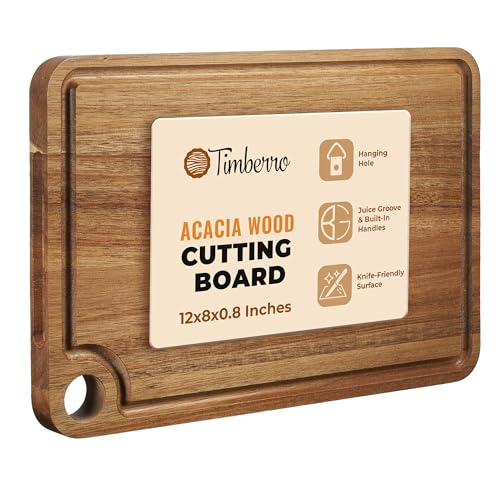
Material changes the board’s care routine, feel, and secondary uses. Acacia and teak offer traditional wood construction with natural grain. The GoodCook model documents acacia hardwood, water resistance, and resistance to odor absorption. The Lipper board uses teak edge grain and is described as both a cutting and serving board. These choices suit kitchens where appearance and presentation matter, but the supplied evidence also points to maintenance considerations: bamboo listings specifically mention washing and oil treatment.
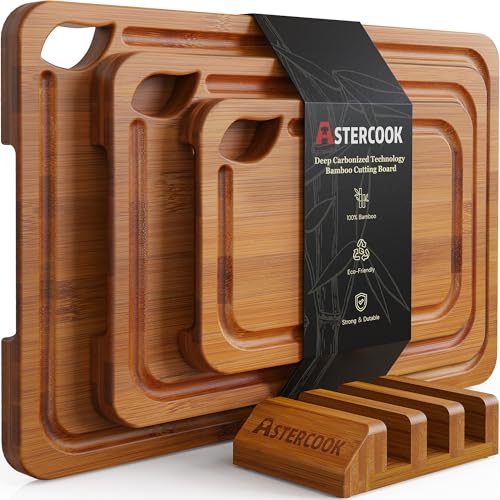
Bamboo is another wood-based option. Utoplike documents a crisscross design, a 0.55-inch thickness, and a flat reverse side. Its front groove is intended to collect excess liquid. This makes it a practical format for prep followed by serving, especially when a board needs to move from the counter to the table.
Plastic and poly boards emphasize a different set of specifications. Dexas uses high-density poly and identifies the surface as non-absorbent and non-porous. It is also NSF approved according to the listing and dishwasher safe. Those details make it a logical choice when surface sanitation features and straightforward cleanup are more important than natural grain.
Stainless steel and titanium provide non-porous alternatives. The YANG and TJ POP boards describe resistance to stains and odors, while Katori identifies pure food-grade titanium and a dishwasher-safe design. Metal surfaces may show cosmetic knife marks; that trade-off is explicitly stated for both stainless steel listings. Shoppers should therefore weigh the documented cleaning and moisture advantages against the surface characteristics they prefer.
Decide whether liquid control matters
A juice groove or well is useful when cutting foods that release liquid. GoodCook has a deep channel around the perimeter, Dexas has an integrated juice well on one side, and both Utoplike and Lipper document grooves. These features can help keep liquid within the board’s working area, although the listings do not establish how much liquid each design can contain.
Boards without a groove can still suit dry tasks, pastry work, or serving. Koville’s marble surface is described for rolling dough and pastries, while the smooth surfaces on the glass and metal boards support preparation and easy wiping. Select a grooved design when liquid collection is a priority; choose a flat surface when rolling, transferring, or presenting food is more central.
Look for stability features
Stability is not determined by material alone. YANG includes an L-shaped lip and six non-slip pads, and TJ POP documents an integrated counter lip. These designs are intended to engage the countertop edge. KimiDitt and Koville instead specify four rubber feet or non-slip feet. AVIDORAK documents polished edges and rounded corners but does not list feet.
The practical distinction is placement. A counter lip is designed around a countertop edge, whereas feet support the board from below and may be more flexible across surfaces. The evidence does not provide hands-on slip testing, so treat these as design features rather than guarantees of performance.
Consider cleanup and extra functions
Dishwasher compatibility is explicitly listed for Dexas, TJ POP, Katori, KimiDitt, and AVIDORAK. GoodCook, Utoplike, and Koville instead describe washing or wiping instructions. Wood and bamboo selections may need more deliberate care, while non-porous glass, steel, titanium, marble, and poly surfaces are described as resisting stains, odors, or residue.
Extra functions can help justify a larger board in a compact kitchen. GoodCook, Utoplike, and Lipper can serve food. Koville supports pastry work and warming food to a stated 200°F. AVIDORAK describes heat resistance up to 536°F, and KimiDitt lists use as a trivet, table mat, or desktop protector. Use those claims only within their stated limits and follow any care instructions supplied with the individual board.
How to choose from the top x 12-inch cutting boards
Start with the task that fills most of the board: liquid-heavy chopping points toward a groove or well; pastry work points toward a smooth marble surface; quick cleanup points toward a documented dishwasher-safe option. Next, decide whether a counter lip, rubber feet, or no added stability hardware fits your counter. Finally, compare thickness and storage needs. The listed boards range from very thin glass and titanium formats to thicker wood, poly, and marble designs, so the same footprint can occupy very different amounts of cabinet space.
Final Recommendation
Among the top x 12-inch cutting boards, the ranked products differ under documented 16 x 12-inch size fit, surface material and construction, juice and moisture management, stability and handling design, and care and documented versatility.
YANG Stainless Steel Board with Counter Lip ranks first overall in this specification-based comparison under the published weighted criteria.
GoodCook Gourmet Acacia 16 x 12-inch Board is the first overall specification-based choice among the best x 12-inch cutting boards. Its documented acacia construction, deep juice groove, exact target footprint, water resistance, and serving function create the most balanced feature set in this comparison.
Choose Dexas when high-density poly, NSF approval, a reversible design, and dishwasher-safe care are the priorities. Lipper is the stronger fit for teak grain and table presentation, while Utoplike offers bamboo construction with a flat reverse side and front groove.
For metal, YANG provides the clearest stability package through its lip and six pads; TJ POP is a simpler single-board alternative. Katori is the specialist choice for a titanium surface. Among glass designs, AVIDORAK documents the highest heat tolerance, while KimiDitt adds four non-slip feet. Koville is the distinctive pick for marble pastry work, cheese service, and decorative presentation.
These rankings are based on supplied listing specifications, not hands-on testing. Confirm the current dimensions, care directions, and intended configuration before choosing a board for a particular counter or storage setup.
Frequently Asked Questions
What size should I verify on a 16 x 12-inch cutting board?
Verify both the stated size and the item-dimension fields. Some listings use 16 by 12 inches as a rounded description, while their technical measurements are slightly smaller. Also check thickness, since a thin glass or titanium board stores differently from a thicker wood, poly, or marble model.
Which of the best x 12-inch cutting boards has a juice groove?
GoodCook, Dexas, Utoplike, and Lipper document a groove or juice well. GoodCook specifies a deep channel, Dexas identifies an integrated well on one side, and Utoplike describes a front-side groove. These features are intended to collect juices, but the supplied listings do not state a capacity.
Are glass cutting boards included in this comparison?
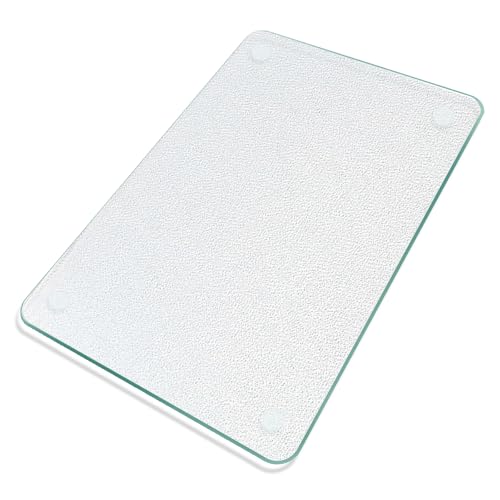
Yes. AVIDORAK and KimiDitt are selected glass options. AVIDORAK documents tempered glass, rounded corners, polished edges, and heat resistance. KimiDitt documents frosted tempered glass, four non-slip feet, dishwasher-safe care, and resistance to stains and odors.
Which board is documented for pastry work?
Koville’s natural marble board is specifically described for rolling dough and pastries. Its smooth surface, 16 by 12-inch format, non-slip feet, and serving function make it the clearest pastry-oriented option in the selected group. The listing also states a 200°F warming use.
Which materials have dishwasher-safe listings?
Dishwasher-safe care is explicitly listed for Dexas poly, TJ POP stainless steel, Katori titanium, KimiDitt glass, and AVIDORAK tempered glass. Other selected products describe hand washing, wiping, or oil treatment instead. Follow the care instructions for the specific board rather than assuming that all boards of one material share the same cleaning guidance.