Buying Guide
When comparing the best inch yoga blocks, the differences come down to material, dimensions, and how the block behaves under your body. The 4 inch height has become a standard because it provides enough lift for pose modifications without forcing the floor to feel distant.
Material and Density
Material is the single biggest spec to weigh when picking the best inch yoga blocks. Foam blocks built from EVA or high density foam are lightweight and forgiving, which suits restorative poses, seated meditation, and beginners who want softer contact under the hips or hands. Cork blocks weigh more and feel firmer, which can help you press into standing balance work, inversions, and deeper stretches where you want the block to stay put. Listings that describe a block as denser than standard EVA or as three times harder than foam give you a useful reference point when comparing firmness claims.
Dimensions and Standard Sizing
Most practice notes assume a 9 inch length, 6 inch height, and 4 inch width. The Manduka cork block steps away from that standard with an 8.5 inch length and 2.75 inch width, so it works better as a travel option than a direct swap for standard sized foam blocks. Always check the listed dimensions before choosing a block if you plan to use it alongside existing props.
Surface Grip and Edges
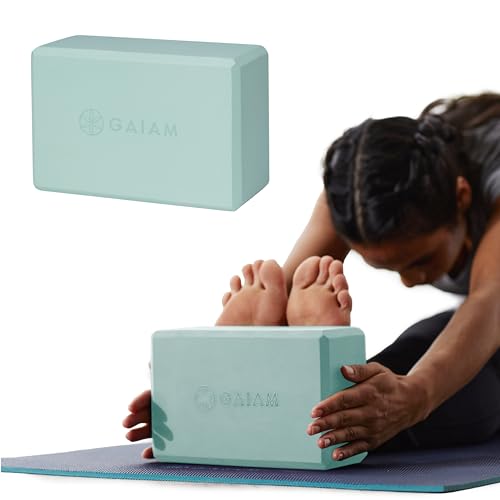
Surface texture and edge geometry matter as much as raw firmness. The Gaiam Essentials, Gaiam single block, and Everyday Yoga blocks highlight beveled edges, and the Manduka block uses rounded edges to soften contact. Foam blocks can sometimes feel too smooth on polished floors, so look for descriptions that mention a non-slip or textured surface if you practice on hardwood or tile.
Stability and Weight
Weight influences how grounded each block feels under load. The SNAKUGA and Hatha Yoga cork blocks each weigh more than 2 pounds, which makes them feel anchored during balance work. If your practice focuses on inversions or single arm balances, a heavier block can save you from constant repositioning.
High density EVA foam and solid cork tend to resist compression better than softer EVA. Cork blocks can chip along the edges with rough handling, while foam can dent if you press sharp localized loads into them.
Use Case Versatility
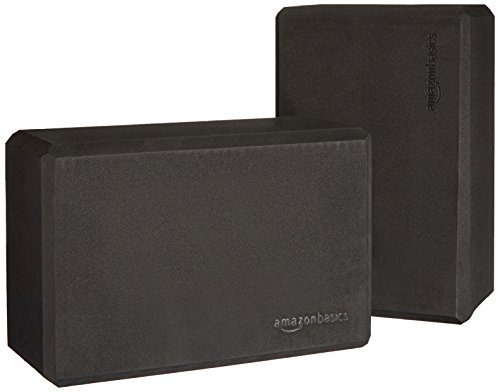
Different blocks serve different practice styles. A two-pack foam set like the Fitvids or Amazon Basics pair works well for general home practice, while the Muka four-pack suits a shared studio space. The Syntus set adds an 8 foot yoga strap and instruction book, which can help beginners link blocks to strap based stretches. For hot yoga, cork’s sweat tolerance is a clear advantage, while foam tends to feel cooler for restorative work.
Final recommendation
Hatha Yoga Cork Yoga Block, 9x6x4 Inch ranks first overall in this specification-based comparison under the published weighted criteria.
After weighing material density, dimensional accuracy, grip, stability, durability, and use case versatility, the Hatha Yoga Premium Cork Yoga Block stands out as the first overall specification-based choice among the best inch yoga blocks thanks to its 9x6x4 inch standard sizing, 2.2 pound weight, and solid Portuguese cork construction. For practitioners who prefer foam, the Fitvids High Density pair offers a strong second option among top inch yoga blocks, with standard dimensions, a slip-resistant surface, and a lightweight build that travels easily. Choosing between the top inch yoga blocks in this list comes down to whether you want grounded cork stability or portable foam comfort.
Frequently Asked Questions
Among the best inch yoga blocks, what is the difference between 3 inch and 4 inch yoga blocks?
A 4 inch block gives you more lift under your hands, feet, or seat than a 3 inch block. Practically, the extra inch reduces how far you have to reach in seated folds and standing poses, which can be easier on tight hamstrings, shoulders, and hips. Most of the best inch yoga blocks in this comparison are listed at 4 inch thickness for that reason.
Are cork yoga blocks better than foam blocks?
Cork and foam serve different needs rather than one being universally better. Cork blocks weigh more, feel firmer, and stay grippy when sweaty, which makes them well suited to hot yoga and balance heavy poses. Foam blocks weigh less, feel softer, and are easier to carry, which suits beginners, restorative work, and travel. The best inch yoga blocks for you depend on which trade off matches your practice.
How do I clean and maintain a 4 inch yoga block?
Spot cleaning with a mild detergent and towel or air drying is the standard care note across foam and cork blocks. Wipe the block down after sweaty sessions and let it dry fully before storing it. Avoid soaking foam blocks, since excess moisture can affect the surface texture over time.
Can I stack two yoga blocks for more height?
Yes. Modular pairs like the Amazon Basics Non-Slip Yoga Blocks are described as usable separately or stacked together, and most standard 9x6x4 inch foam or cork blocks line up cleanly for stacking. Stacking is helpful for restorative poses where you need extra support under the hips or shoulders.
Which 4 inch yoga block should I pick for travel?
If you need a packable option, the Gaiam single block and the Manduka fine-grain cork block are both lighter than the heavier cork models, while still offering standard 4 inch thickness. The Gaiam single block is among the lightest in the comparison at 4.6 ounces, and the Manduka cork block is described as lightweight for travel while still feeling firm.