Buying Guide
Picking the best x 5 index cards is mostly a matter of matching ruling style, cardstock weight, and pack size to your study or office routine. The 5 by 8 inch format gives roughly twice the writing area of 3 by 5 cards, so you can fit longer sentences, math steps, or small diagrams without flipping the card. Look at the listed gsm or pound weight, the ruling pattern, and the number of sheets per pack before you decide.
Cardstock Weight and Paper Feel
Heavier cardstock resists curl, marker bleed, and frequent handling. Several products in this comparison document weights from 120 gsm for medium weight cards up to roughly 270 gsm for the heaviest options. If you use fountain pens, brush markers, or watercolor, a 160 gsm or higher weight will keep the surface flat. Lighter weights around 120 gsm are fine for pencil, ballpoint, and standard highlighters.
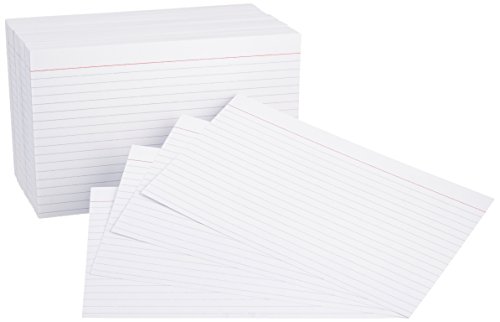
Ruling format is the second decision point for the best x 5 index cards. Single sided ruling leaves a blank back for sketches, while double sided ruling doubles your note capacity. Look for line spacing between 7 mm and 8 mm; narrower spacing fits more text per line and suits dense study notes, while wider spacing helps younger writers. A printed red title line cue, seen on some bulk packs, also helps separate headings from body text.
Pack Size and Long Term Planning
Pack sizes in this category range from 25 sheets for a small starter pack to 500 sheets across five inner packs for classrooms. Smaller packs let you test ruling and weight before committing, while bulk packs reduce repackaging. If you cycle through hundreds of cards a semester, a 300 to 500 count pack keeps supplies steady. If you want to explore heavy cardstock first, a 50 to 120 count pack is enough to evaluate feel.
Color Coding and Visual Systems
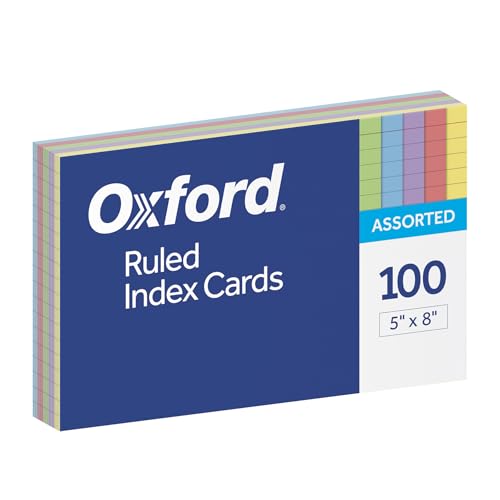
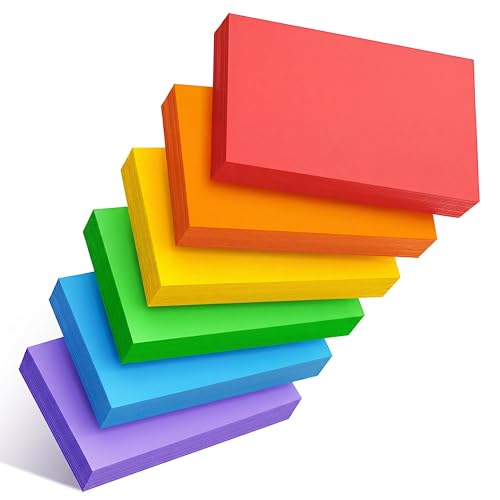
Color coded cards remain a classic memory aid. Multicolor packs with four to nine colors let you assign a color per subject, difficulty, or project phase. White packs work well if you prefer printing custom headers or if your workflow relies on a single notebook color. Some color packs also use heavier cardstock, so you can combine color coding with thicker paper.
Blank Verso for Sketches and Diagrams
Most 5x8 cards in this list rule one side and leave the reverse blank. That blank side is useful for diagrams, mind maps, and quick sketches that complement written notes. A few double sided ruled options exist, but they trade the blank canvas for more lined space. Choose based on whether your workflow needs more lines or more drawing room.
Standard 5x8 Fit and Filing Accessories
Every product listed meets the standard 5 by 8 inch size, which fits common index card boxes, desk drawers, and ring binders. Keeping the standard size matters if you plan to store the cards in existing organizers or move them between study spaces.
Final recommendation
Koogel 5x8 Neon Double-Sided Lined Cards, 180 Pack ranks first overall in this specification-based comparison under the published weighted criteria.
The final choice among the best x 5 index cards depends on the documented features that match your intended use.
Among the top x 5 index cards in this comparison, S Superfine Printing 5x8 Ruled Index Cards stand out as the first overall specification-based choice because they pair the highest documented cardstock weight with confirmed printer compatibility and a clean single sided ruling layout. PPAPPAPPIYO 5x8 Lined Index Cards are the most specification-aligned premium multicolor alternative at 260 gsm, while Goefun 5x8 Lined Index Cards deliver the largest white ruled bulk pack at 300 sheets. Oxford 51EE Ruled Index Cards and Amazon Basics Ruled Index Cards both provide 500 sheet classroom supplies for shared study rooms, and Koogel 5x8 Neon Double-Sided Lined Cards lead the way when you need lines on both sides with a wide color palette. MSKKSM 5x8 Colored Ruled Index Cards offer a balanced six color mid-size option for focused coding systems.
Frequently Asked Questions
What weight is best for the best x 5 index cards?
A weight between 150 gsm and 200 gsm handles most pen and marker use, while 260 gsm or heavier is recommended for heavy ink and watercolor. Lighter weights around 120 gsm suit standard ballpoint and pencil notes.
Should I choose ruled or blank 5x8 index cards?
Ruled cards are easier for neat handwritten notes, while blank cards allow custom layouts, drawings, and printable headers. Many users keep both styles on hand for different tasks.
Are 5x8 index cards the same as 5 by 8 flashcards?
Yes. The 5x8 size works as flashcards, recipe cards, and presentation cue cards. The larger area simply holds more content than 3x5 cards and fits standard index card boxes.
Which pack size should I buy for a full semester of study?
A 300 to 500 sheet pack typically covers a full semester of active studying. Smaller 50 to 120 sheet packs work well for targeted units or short courses.
Do color coded index cards really help with studying?
Color coding helps separate subjects, difficulty levels, or project phases at a glance, which can support recall. The best x 5 index cards for color coding include multicolor packs with at least four balanced colors.