Buying Guide
Choosing the right acoustic classical guitar necks for your project starts with understanding how the neck interacts with the body, fretboard, and overall playability. Because a neck affects string action, intonation, and hand fatigue, selecting a compatible replacement or build component is one of the most important decisions a luthier or hobbyist can make.
Sizing and Scale Compatibility
Before ordering, confirm the scale length and body size of your guitar. Many acoustic guitar necks are tailored for 38-inch, 40-inch, or 41-inch instruments, and classical guitars often follow slightly different proportions than steel-string folk guitars. A mismatch in heel width or fretboard extension can create alignment problems at the bridge and saddle. If you are restoring a specific instrument, measure the existing neck pocket and compare it to the replacement dimensions. For completely custom builds, choose a neck that matches your intended body template so that fret placement and bridge location remain mathematically correct.
Feature Tradeoffs: Complete Neck vs. Fretboard vs. Kit
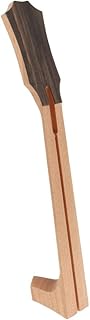
Acoustic classical guitar necks come in several formats. A complete replacement neck includes the shaft, headstock, and often a pre-slotted fretboard, making it the fastest route for repairs. Fretboard-only options, such as pre-fretted fingerboards, give you control over the neck blank material but require more woodworking skill to mate with a separate neck shaft. Complete kits that bundle multiple components can save time and reduce the risk of ordering incompatible parts, though they may include items you do not need if you are only replacing a damaged neck. Consider your skill level and workshop tools when deciding between a turnkey neck and a component-based approach.
Wood Selection and Tonality
The species used in acoustic classical guitar necks influences both durability and tone. Maple offers excellent stability and a bright response, while mahogany and sapele provide warmer midrange characteristics. Rosewood and technical wood fretboards add density under the fingers, which some players prefer for clarity. If you plan to finish the neck yourself, unfinished blanks let you apply oils, lacquers, or stains that match the body. Roasted or torrefied woods are increasingly popular because they reduce residual moisture, minimizing future warping or twisting under string tension.
Installation and Setup Considerations
Installing a replacement neck is rarely a simple drop-in task. You may need to shape the heel, adjust the neck angle, and cut the nut slot to match your string spacing. Classical guitars typically use a wider nut than steel-string acoustics, so verify nut width before purchase. Some necks arrive with a half-paddle headstock, which requires you to drill tuner holes in the correct pattern. If you are not comfortable with fret leveling, crown work, or nut filing, budget for a professional setup after installation. Even high-quality acoustic classical guitar necks will perform poorly if the frets are uneven or the neck angle places the strings too high above the soundboard.
Maintenance and Long-Term Reliability
After installation, seasonal humidity changes remain the biggest threat to wooden necks. Keep your instrument in a stable environment, and consider truss rod accessibility if the neck includes an adjustable rod. While many classical guitars use non-adjustable necks, some modern replacement designs incorporate reinforcement. Inspect the neck periodically for forward bow, back bow, or twisting. A properly fitted neck should maintain consistent action across all frets without excessive buzzing. If you notice rising action over time, the neck may be reacting to humidity or the joint may need shim adjustment.
How to Compare Reviews
When evaluating acoustic classical guitar necks online, focus on reviews that mention fit, finish quality, and fretwork. Comments about precise heel dimensions or accurate scale length are more useful than generic praise. Look for feedback from buyers who used the neck for the same type of build you are planning, whether that is a classical restoration or a steel-string assembly. Be cautious of listings with no reviews; while they may still be high quality, you are relying entirely on manufacturer descriptions. Verified purchases with photos of completed builds often provide the most reliable insight into how a neck looks after finishing and how it performs under string tension.
Final Recommendation
If you want the safest choice among the ranked acoustic classical guitar necks, prioritize the top pick with strong verified ratings and explicit acoustic compatibility. For dedicated classical instruments, select the option specifically shaped for classical neck profiles and nut widths. Builders who need every component in one shipment should favor the complete kit, while experienced luthiers seeking custom tonal control may prefer the neck that offers multiple wood options. Match the product to your skill level, body size, and finishing plans, and you will end up with a stable, comfortable neck that enhances your instrument for years to come.