Buying Guide
Choosing among the best adjustable flagpole kits starts with understanding how you plan to use the pole. Wall-mounted brackets, telescoping inground poles, and sectional systems each offer different forms of adjustability, and the right choice depends on your property layout, local wind patterns, and how often you intend to raise or lower the flag.
Sizing and Capacity
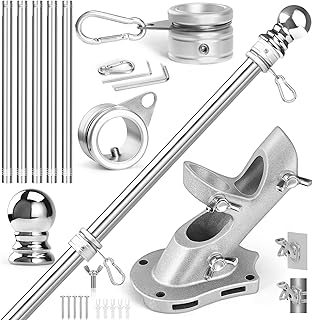
Height is the first specification to nail down. Residential wall-mounted kits typically range from 5 ft to 7 ft and pair with 3×5 or 4×6 flags. If you select a wall-mounted model, look for an adjustable bracket that lets you change the pole angle; this is useful when you need to clear gutters, awnings, or porch roofs. For front-yard displays, telescoping poles generally start around 20 ft and can extend to 25 ft. A telescoping design gives you true height adjustability, which is helpful if you occasionally want to lower the pole during severe weather or for maintenance. Sectional poles are assembled in segments, so their height is fixed once installed, but they break down into manageable pieces for relocation or storage.
Pay attention to the flag size each pole supports. A 1-inch diameter wall pole is standard for 3×5 flags, while 20 ft to 25 ft inground poles usually require grommeted flags up to 4×6 or 5×8. Matching the pole diameter and finial style to your flag prevents bunching and reduces wind drag.
Feature Tradeoffs
Adjustability comes in two main forms: bracket angle and pole height. Bracket-adjustable kits, such as those with 180-degree or multi-position holders, excel on porches and siding where mounting surfaces are uneven. They are easier to install than inground poles and work well for renters or homeowners who prefer not to dig. The tradeoff is lower overall height and a smaller visual impact from the street.
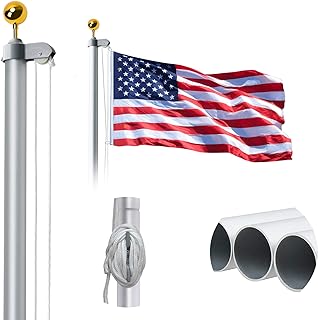
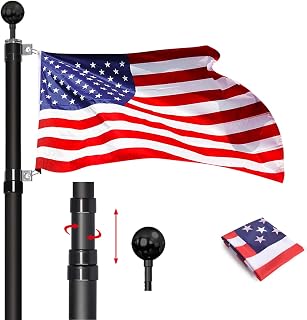
Telescoping and sectional inground poles provide maximum visibility and are better suited for patriotic displays, commercial properties, or large lots. Telescoping models let you collapse the pole without tools, which is ideal if you live in a region with harsh winters or high wind warnings. Sectional poles tend to feel stiffer because the joints add rigidity, but they do not offer on-the-fly height changes. If you value convenience above all else, a telescoping kit is usually the better compromise.
Installation and Setup Considerations
Wall-mounted adjustable flagpole kits require a solid backing surface. Wood studs, masonry anchors, or structural columns are necessary to prevent sagging under wind load. Before you buy, verify that the bracket bolt pattern matches your mounting surface and that the included hardware is rated for exterior use. Stainless steel or coated brackets resist corrosion far better than basic steel.
Inground installations demand more planning. Most 20 ft to 25 ft poles need a ground sleeve set in concrete. Check your local utility lines before digging, and plan for a sleeve depth of at least 24 to 30 inches. Telescoping poles often include a sleeve, but sectional kits may require a separate purchase. Once the concrete cures, the sleeve allows you to remove the pole for storms or maintenance without disturbing the foundation.
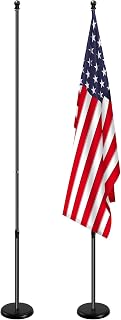
Indoor kits with adjustable height are simpler: a weighted base or floor stand eliminates drilling, but you should still verify ceiling clearance. An 8 ft to 9.5 ft adjustable indoor pole works best in rooms with nine-foot ceilings or higher, and the base should be broad enough to prevent tipping in high-traffic areas.
Maintenance and Reliability
Long-term reliability hinges on material choice and hardware design. Aluminum poles, especially those in 12-gauge to 16-gauge thickness, offer an excellent strength-to-weight ratio and resist rust. For coastal or humid climates, 304 or 316 stainless steel brackets and poles are worth the upgrade because they withstand salt air without pitting.
Anti-wrap rings are a small detail with a large impact. Models with 360-degree rotating rings allow the flag to spin freely around the pole, which dramatically reduces fabric wear and eliminates the need to untangle the flag after windy days. Look for metal rings rather than plastic clips if you expect year-round exposure.
Solar lighting is a popular add-on for inground poles. If you choose a kit with an integrated light, confirm that the solar panel is weather-sealed and that the LED housing can be replaced independently. This saves you from replacing the entire pole when the light eventually dims.
How to Compare Reviews
When reading owner feedback on adjustable flagpole kits, focus on comments that mention setup time, bracket stability, and performance after six months or more. Short-term five-star reviews are helpful, but look for updates that discuss how the pole handled rain, snow, or sustained wind. For telescoping models, pay special attention to reviews describing how smoothly the sections extend and lock; stiffness or galling in the aluminum tubes is a common complaint with lower-quality designs.
If you are considering a sectional pole, search reviews for mentions of joint looseness or corrosion at the connection points. For wall-mounted kits, bracket failure is the most reported issue, so prioritize listings where buyers confirm that the bracket remained tight after multiple seasons.
Final Recommendation
If you need a versatile residential display that fits most porches and exterior walls, start with a 5 ft to 7 ft adjustable bracket kit. These models offer the easiest installation and enough angle control to adapt to your home’s architecture. For maximum curb appeal and true height flexibility, a 20 ft to 25 ft telescoping aluminum pole is the logical step up; it delivers the presence of a traditional flagpole with the convenience of collapsible storage. Property managers and business owners who want a permanent, low-maintenance solution should look at heavy-duty sectional poles in thick-gauge aluminum or commercial-grade alloys. Finally, if your goal is an office, school, or ceremonial indoor display, an adjustable-height indoor kit with a weighted base provides a polished look without structural modifications. Match the pole’s adjustability to your daily routine, confirm that the materials suit your climate, and you will end up with a flagpole that stays upright and looks sharp for years.