Buying Guide
The best calibrated torque wrenches should be matched to the fastener range and drive size before other features are considered. A wrench that begins above your required torque is a poor fit even if its maximum is substantial. Conversely, a compact 1/4-inch or bicycle tool may be more controllable for small fasteners than a long 1/2-inch model.
This comparison uses public listing evidence only. The criteria cover calibration documentation and stated accuracy, torque range, adjustment feedback, drive and application fit, and usability or storage. No customer opinions, purchase activity, marketplace labels, or hands-on performance claims are used. Scores are criterion-level assessments of the supplied specifications; they are not laboratory results.
Choose the correct torque range
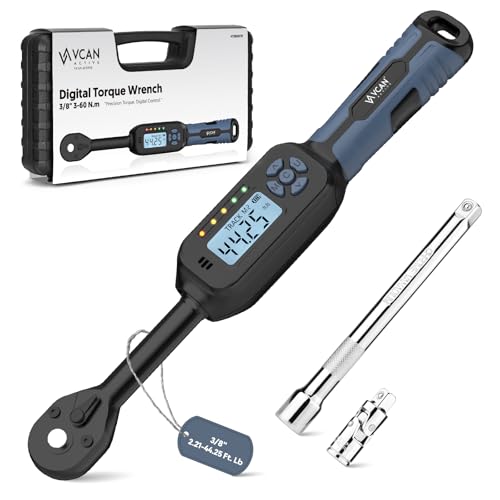
Start with the torque specification for the fasteners you plan to service. The TEKTON TRQ50402 is a low-range 1/4-inch option covering 20-200 in-lb. The LEZYNE Pocket Torque Drive is narrower, at 2-6 Nm, but its bicycle-focused format and included bits suit compact bike adjustments. For a low-to-mid 3/8-inch range, the ACDelco ARM601-3 reaches 3.7-37 ft-lb, while the VCAN ACTIVE reaches 2.21-44.25 ft-lb.
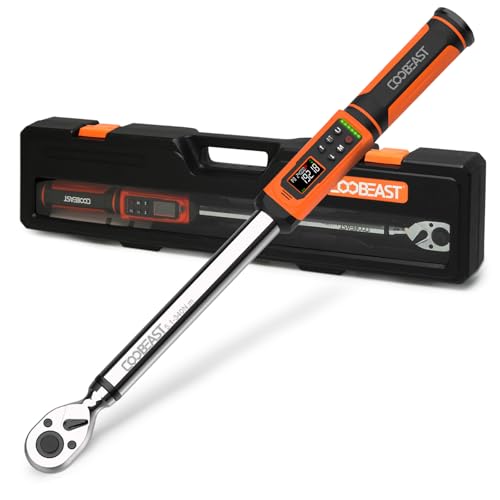
The ACDelco combo adds a second 1/2-inch wrench covering 14.8-147.5 ft-lb. That makes the set more flexible than a single fixed-range tool. The coobeast 1/2-inch digital wrench goes from 3.76 to 250.8 ft-lb, while the DEKOPRO spans 10-170 ft-lb. The LEXIVON and EPAuto both cover 10-150 ft-lb. These ranges overlap, but their documentation and user interfaces differ.
Compare calibration evidence carefully
“Pre-calibrated” is not the same level of documentation as a serialized certificate. TEKTON lists a serialized certificate with test results, equipment, and conditions, and says the wrench is calibrated to the ISO standard. LEXIVON also lists a calibration certificate with a trackable serial number. PUIBERS lists a factory calibration certificate and ±3% accuracy.
Several mechanical models state accuracy without describing a certificate. DEKOPRO lists ±3%, while EPAuto and LEXIVON list ±4%; LEXIVON additionally supplies certificate information. The ACDelco listing identifies ISO 6789 standards with a certificate of calibration. Digital models may describe test accuracy or professional calibration, but buyers should distinguish those statements from a supplied calibration report.
Decide between click, torsion, and digital designs
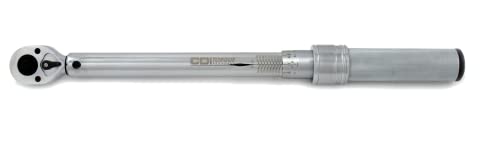
Click wrenches provide a mechanical signal when the preset value is reached. CDI, EPAuto, DEKOPRO, LEXIVON, and PUIBERS use click-style formats in the supplied evidence. This design keeps the interface simple: set the scale, apply force, and stop at the click. The listings do not establish how loud or consistent any individual click feels in practice, so those characteristics should not be assumed.
The LEZYNE uses a pre-calibrated torsion ratchet design rather than a conventional long-handle automotive wrench. Its small range and bits make it a specialized bicycle tool. Digital designs add more information during use. ACDelco provides an LCD, buzzer, and LED notification, while VCAN ACTIVE lists peak and track modes, visual alerts, and an extension-oriented set. coobeast adds presets, multiple measurement modes, data storage, and vibration, buzzer, and LED alerts. These features can help users monitor a target, but they also introduce batteries and electronic controls.
Match the drive size to the job
Drive size affects socket compatibility and the practical scale of the work. A 1/4-inch wrench is oriented toward smaller fasteners, a 3/8-inch wrench bridges compact mechanical and vehicle tasks, and a 1/2-inch wrench is the most common format among the selected automotive-oriented models.
For bicycles, the LEZYNE and PUIBERS models offer small-range coverage, while the VCAN ACTIVE listing specifically mentions bikes, motorcycles, and cars. For general vehicle maintenance, DEKOPRO, LEXIVON, and EPAuto provide 1/2-inch click formats. For machinery or higher listed torque, coobeast offers a maximum of 250.8 ft-lb among the selected products.
Consider readability, reach, and storage
Dual-range scales can be useful when switching between foot-pounds and Newton-meters. EPAuto, DEKOPRO, LEXIVON, and the ACDelco listings document dual-unit readings or scales. TEKTON instead uses a high-contrast micrometer scale. The coobeast screen is described as large and backlit, and VCAN ACTIVE lists a large digital display.
Accessories can change how a wrench fits into a toolkit. PUIBERS includes an extension and adapter, VCAN ACTIVE includes an extension and universal joint, and EPAuto includes a 5-inch extension bar. Cases are listed with ACDelco, LEZYNE, EPAuto, and several other products. These accessories provide storage or reach on paper, but an extension can affect how a torque procedure should be performed, so follow the applicable tool and fastener instructions.
Final recommendation
ACDelco ARM601-34 Digital Combo Kit ranks first overall in this specification-based comparison under the published weighted criteria.
The final choice among the best calibrated torque wrenches depends on the documented features that match your intended use.
ACDelco ARM601-34 is the first overall specification-based choice. Its two drive sizes, digital display, alert system, ISO 6789 calibration evidence, and separate cases give it a broad all-around specification profile. Among the top calibrated torque wrenches, TEKTON is the documentation-led pick for small fasteners, while coobeast is the broad-range digital choice.
Choose DEKOPRO or EPAuto for a simpler 1/2-inch click format, LEXIVON when a serialized certificate and corrosion-resistant finish are priorities, and PUIBERS for small-range work with adapters. LEZYNE is the specialized option for portable bicycle adjustments. Always select a wrench whose documented range contains the required torque and consult the relevant fastener specifications before use.
Frequently Asked Questions
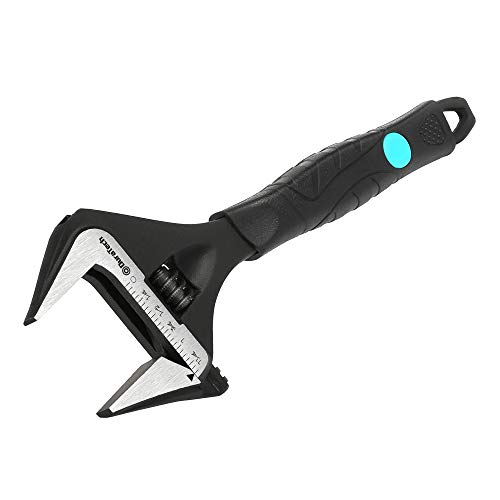
What makes the best calibrated torque wrenches different from ordinary adjustable wrenches?
The selected products document calibration, stated accuracy, or both, and they provide a controlled way to set and reach a torque value. TEKTON and LEXIVON list certificate details, while ACDelco identifies a certificate and ISO 6789 standards. An ordinary adjustable wrench does not provide that torque-setting evidence.
Is a digital torque wrench better than a click wrench?
Neither design is universally better. Digital models such as ACDelco, VCAN ACTIVE, and coobeast provide screen-based readings and electronic alerts; coobeast also lists presets and data storage. Click models such as DEKOPRO and EPAuto offer a simpler mechanical interface. Choose based on the range, feedback style, and documentation you need rather than assuming one design will perform better.
Which selected wrench is best for bicycle work?
The LEZYNE Pocket Torque Drive is the most specialized bicycle choice because it is a compact pre-calibrated torsion ratchet with a 2-6 Nm range and six bits. PUIBERS is a broader small-drive alternative with a 20-240 in-lb range, an adapter, and an extension. Check the bicycle manufacturer’s torque requirements before selecting between them.
Do I need a calibration certificate?
A certificate is useful when traceability and documented testing matter. TEKTON lists serial number, test results, equipment, and test conditions; LEXIVON lists a trackable serial number; PUIBERS lists a factory calibration certificate. Other selected tools state pre-calibration or accuracy without the same level of certificate detail. The appropriate documentation depends on your work requirements.
What drive size should I choose for automotive work?
Many automotive-oriented selections here use a 1/2-inch drive, including DEKOPRO, LEXIVON, EPAuto, and coobeast. A 3/8-inch tool may suit smaller automotive fasteners, while a 1/4-inch wrench is better aligned with low-torque applications. Compare the required torque with the wrench’s stated range and confirm that your sockets fit the drive size.