Buying Guide
Picking from the best first aid creams & ointments starts with reading the listed active ingredients rather than the front label imagery. Small wording differences, such as ’triple antibiotic’ versus ‘antibiotic plus analgesic,’ change what each product actually does to a minor wound. This guide walks through the specification categories that matter most when comparing tubes, single-use packets, and skin protectant ointments for everyday first-aid needs.
Antimicrobial Active System
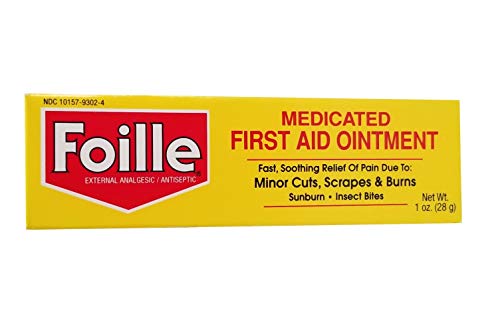
The core spec for any first aid cream or ointment is the antimicrobial active system documented on its label. The Medicated First Aid Ointment and the A+D First Aid Healing Ointment are not listed with the same antibiotic actives, so they rely on skin protectant or medicated support roles rather than broad germ coverage.
Analgesic and Wound-Support Additives
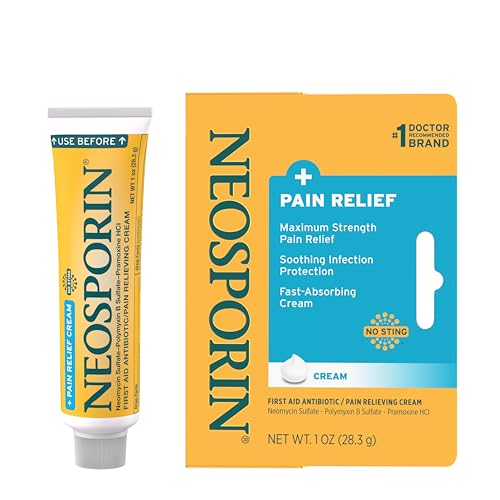
Some listings add a documented analgesic active, while others rely on emollient or scar-appearance technology. The Neosporin + Pain Relief 1 oz cream, Neosporin + Lidocaine Pain Relief 0.5 oz, Neosporin + Burn Relief 0.5 oz, and the Amazon Basic Care Antibiotic + Burn Relief 1 oz all list pramoxine HCl or lidocaine as a maximum-strength external analgesic. The Neosporin Original 1 oz and 0.5 oz and the Amazon Basic Care Triple Antibiotic 2 oz list HeliDerm Technology, vitamin E, and cocoa butter for hydration and skin-conditioning support, which is a different kind of wound-care claim from a documented analgesic.
Format matters because a 1 oz tube, a 0.5 oz travel tube, and a 144-count box of 0.9 g packets serve different storage needs. The Neosporin + Maximum-Strength Pain Relief 1 oz, Amazon Basic Care Triple Antibiotic 2 oz, and Neosporin Original 1 oz all use single tubes sized for medicine cabinets or travel bags. For at-home use the MED PRIDE Triple Antibiotic 1 oz 4-Pack and the Medicated First Aid Ointment 1 oz Pack of 2 give consumers multiple tubes to distribute around a household.
Skin Suitability and Texture Profile
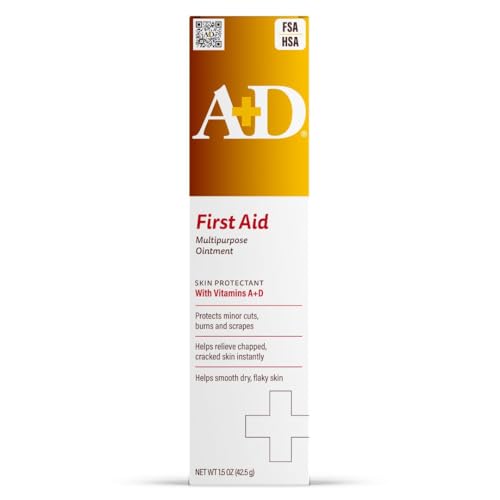
Listed texture and skin-suitability details matter when shoppers have sensitive skin or want a non-greasy feel. The Neosporin + Pain Relief 1 oz cream is explicitly described as fragrance-free, non-greasy, stain-free, and no-sting. The A+D First Aid Healing Ointment 1.5 oz is listed as a thick protective barrier that smooths chapped lips, cracked heels, and dry elbows, indicating a heavier, occlusive feel. Triple antibiotic ointments in tubes tend to be described as soothing and absorbent rather than cosmetic, so they are typically chosen for wound care rather than daily skin conditioning.
Ingredient Transparency and Age Guidance
Look for listings that name every active ingredient and supply pediatric age thresholds. The Amazon Basic Care Antibiotic + Burn Relief 1 oz lists pramoxine HCl alongside the antibiotic actives and states the product is for adults and children 2 years and older. The Neosporin + Lidocaine variants document lidocaine as an external analgesic in the active ingredient panel, which is helpful for buyers scanning the Drug Facts label.
Kit and Travel Versatility
For buyers who keep supplies in a car, backpack, or office, versatility is tied to size and packet count. For homes that want a product that doubles as skin care, the A+D First Aid Healing Ointment 1.5 oz is listed for lips, feet, hands, and minor wounds in a single 1.5 oz tube.
Final Recommendation
Neosporin Original 1 oz Triple Antibiotic Ointment ranks first overall in this specification-based comparison under the published weighted criteria.
The final choice among the best first aid creams & ointments depends on the documented features that match your intended use.
For buyers who want the broadest documented specification profile in a single tube, the Neosporin Original 1 oz stands out: it lists three antibiotic actives and HeliDerm Technology for skin hydration. Among the top first aid creams & ointments on this list, it earns the highest specification-weighted position because it documents a triple antibiotic system and explicit scar-appearance support, paired with a 1 oz format that works for home or travel. For users who specifically want an analgesic layer, the Neosporin + Maximum-Strength Pain Relief Dual Action Cream 1 oz is the next logical step, and for bulk kit stocking the Globe Triple Antibiotic 0.9 g 144-Count packets add single-use versatility to round out coverage.
Frequently Asked Questions
What is the difference between a first aid cream and a first aid ointment?
The main specification difference is water content. Creams, like the Neosporin + Pain Relief 1 oz product, are typically described as non-greasy and stain-free, while ointments, like the Neosporin Original 1 oz, are typically described as thicker and more occlusive. Both formats in this category are documented for minor cuts, scrapes, and burns.
Which active ingredients should I look for in the best first aid creams & ointments?
For added documented pain relief, listings such as the Neosporin + Lidocaine variant or the Amazon Basic Care Antibiotic + Burn Relief add pramoxine HCl or lidocaine as an external analgesic.
Packet products like the Globe and MED PRIDE 144-count listings contain the same documented triple antibiotic actives as tube products, but the dose is fixed at 0.9 g per packet. They trade the convenience of a reusable tube for the hygiene and dosing consistency of individual packets, which the manufacturer describes as ideal for shared kits and on-the-go use.
Can skin protectant ointments replace an antibiotic ointment?
Products like the A+D First Aid Healing Ointment 1.5 oz are listed as skin protectants for chapped, cracked skin and minor wound support, but they do not advertise antibiotic actives for infection prevention. For dirty or puncture-prone wounds, a listed triple antibiotic cream or ointment is the more specification-consistent choice.
Compact 0.5 oz tubes, like the Neosporin Original 0.5 oz or Neosporin + Lidocaine 0.5 oz, are sized for small kits.