Buying Guide
The best waterproof camping first aid kits should be selected by matching protection, contents, and carrying format to the trip. A kit for a kayak, a family vehicle, and a solo hiking pack may all be called waterproof, but their documented designs can be very different. Review the construction language carefully: a sealed dry bag or an IP-rated shell suggests a different use case from a water-resistant EVA pouch that should not be soaked.
Start with the moisture-protection design
For wet campsites and water activities, closure design matters. The THRIAID 250-Piece kit uses a roll-top bag, hot-pressed sealed edges, and an IPX6 claim. It also places supplies in additional waterproof bags. These designs are useful when rain, spray, or damp storage is likely.
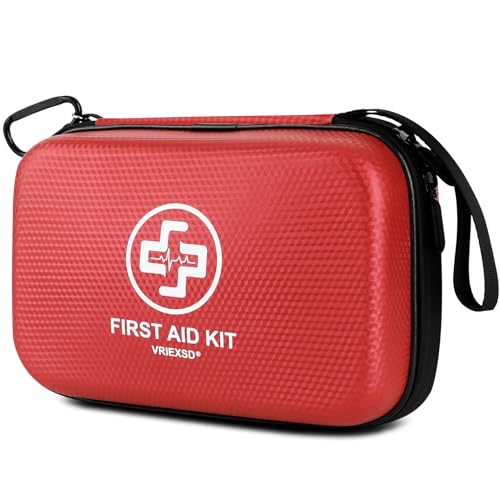
The SurviveX kit documents IPX7-rated sealed zippers and a rubberized shell. By contrast, the VRIEXSD 320-Piece kit describes a water-resistant EVA surface and specifically advises against soaking. It may still suit ordinary campsite exposure, but the distinction should guide placement and handling. Waterproof labeling is not a reason to leave any medical kit submerged or permanently wet.
Choose a case or a soft bag
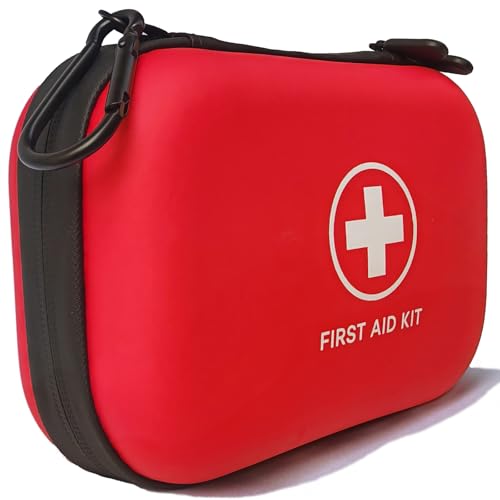
Hard-shell kits such as the Gevoke, Atickyaid, VRIEXSD, GHFY, and Protect Life models can offer structured storage and protection from compression inside a vehicle or pack. Double zippers, hook loops, carabiners, and shoulder straps affect how easily the case can be carried or attached. The Gevoke kit adds a detachable shoulder strap and transparent compartments, while the Protect Life case is a smaller travel-oriented format.
Soft roll-top bags generally conform more easily to irregular storage spaces and are especially relevant to boating or kayaking. Soft bags can also be easier to stow, although a larger contents list may still make them heavy.
Match capacity to the group
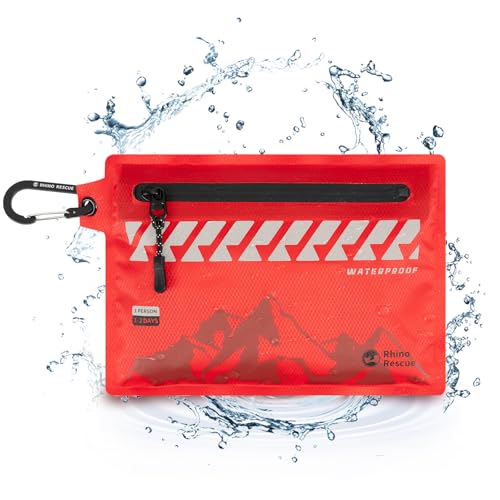
Piece counts are useful for comparing documented breadth, but they do not show how many bandages, dressings, medications, or gloves are included. A solo camper may prefer the RHINO RESCUE 114-Piece kit or Adventure Medical Kits Ultralight/Watertight.5. Both emphasize low weight and common outdoor injury care. The.5 is presented for two people, while the.7 is presented for three people and adds supplies for fractures and tick removal.
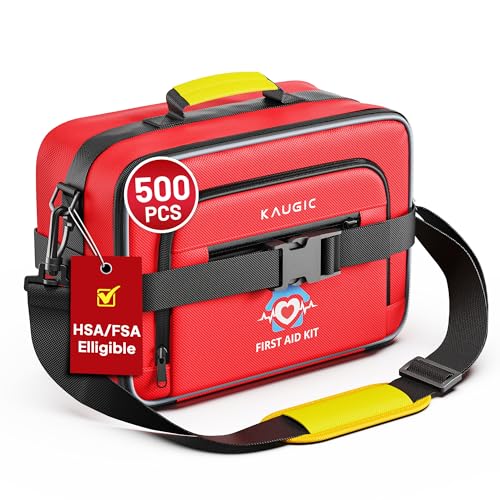
For family camping or a base camp, larger kits offer more room for multiple people and more varied incidents. Gevoke lists 410 pieces, Atickyaid lists 340, and VRIEXSD lists more than 320. SurviveX goes further toward trauma preparedness with a splint, CPR mask, compression bandages, cold packs, and trauma shears. Those features may be more relevant when help is farther away, but they also contribute to a larger, heavier package.
Check organization before packing
A high count is less useful if supplies are difficult to identify. Look for labeled or transparent sections, especially when several people may need to access the kit. THRIAID documents labeled waterproof storage bags. Gevoke uses five transparent compartments, and the VRIEXSD and GHFY cases describe independent compartment systems. The SurviveX layout uses color-coded compartments for wounds, tools, hygiene, burns, and personal supplies.
Also check whether the kit leaves room for personal medication, allergy supplies, spare dressings, or items specific to the group. The supplied evidence does not establish refill capacity for every model, so inspect the internal layout before relying on a kit for an extended trip. Replace used, damaged, or expired contents after each outing.
Some kits include preparedness tools alongside medical supplies. The THRIAID 250-Piece kit lists a poncho, blanket, whistle, compass, pliers, duct tape, glow stick, and paracord. RHINO RESCUE includes a whistle and multitool. Protect Life includes an emergency blanket and first-aid guide, while SurviveX includes a CPR mask and thermal blanket. These extras can reduce the need to pack separate items, but they should not distract from the medical contents you are most likely to need.
Final recommendation
SurviveX Large Waterproof First Aid Kit ranks first overall in this specification-based comparison under the published weighted criteria.
SurviveX Large Waterproof First Aid Kit is the first overall specification-based choice among these best waterproof camping first aid kits. Its IPX7-rated sealed zippers, rubberized shell, labeled compartments, broad trauma supplies, and mounting options give it a particularly complete documented profile, though backpackers should consider its weight.
For lighter packs, Adventure Medical Kits Ultralight/Watertight.5, the.7, and RHINO RESCUE are more suitable starting points. Families may prefer Gevoke, Atickyaid, or VRIEXSD for their larger organized cases. Protect Life and GHFY occupy more compact general-use positions. Together, these top waterproof camping first aid kits cover several documented formats without treating volatile marketplace information or customer sentiment as test evidence.
Frequently Asked Questions
What should I look for in the best waterproof camping first aid kits?
Look for clearly documented moisture protection, a closure suited to your exposure, organized compartments, and contents appropriate for the number of campers. IP-rated or sealed designs provide stronger evidence of wet-weather protection than a general water-resistant description. Also consider weight, attachment points, and whether the kit includes supplies for blisters, burns, bleeding, or other likely incidents.
Is a roll-top first aid kit better for kayaking?
The THRIAID model lists an IPX6 claim and extra waterproof storage bags. Actual handling still matters: close the roll top as directed, inspect it for damage, and avoid assuming that any kit can be left submerged indefinitely.
Which selected kit is best for lightweight hiking?
RHINO RESCUE and Adventure Medical Kits Ultralight/Watertight.5 are the most specification-aligned lightweight-oriented choices in this comparison based on their listed or described low weights. The Adventure Medical Kits.7 is designed for three people and provides somewhat broader group coverage. These compact kits focus on common outdoor injuries, so larger groups or remote trips may require additional supplies.
Are larger piece counts always better?
No. A larger count may provide more variety, but listings do not always identify the quantity of every important item. Large kits such as Gevoke, Atickyaid, and VRIEXSD can suit family or base-camp storage, while a smaller organized kit may be easier to carry and access. Evaluate the actual contents, layout, weight, and trip demands together.
How should I maintain a camping first aid kit?
After every trip, check for opened or depleted supplies, moisture damage, and expired items. Repack supplies in their labeled compartments and keep personal medications separate or clearly identified. Even a well-protected case can be compromised by a damaged zipper, seal, or shell, so inspect the exterior before wet-weather travel.