Buying Guide
Picking the best ergonomic garden rakes for 2026 starts with understanding how rake geometry, grip design, and tine material interact during real bed work. A rake that feels great in the hand but bends on the first pass is not a long-term win, and a tough steel head with a hard plastic handle can leave you sore after a single afternoon. The categories below break down the specifications that matter most when comparing the best ergonomic garden rakes in this list.
Head and Tine Material
Stainless steel and high carbon steel dominate the heads in this category. Stainless steel resists rust and is easy to wipe clean, which suits gardeners who store tools in damp sheds or work in wet flower beds. Tools labeled as military grade steel or with heat treatment, such as the Finder fan-tine rake, suggest additional hardness for tougher ground.
Tine Configuration and Reach
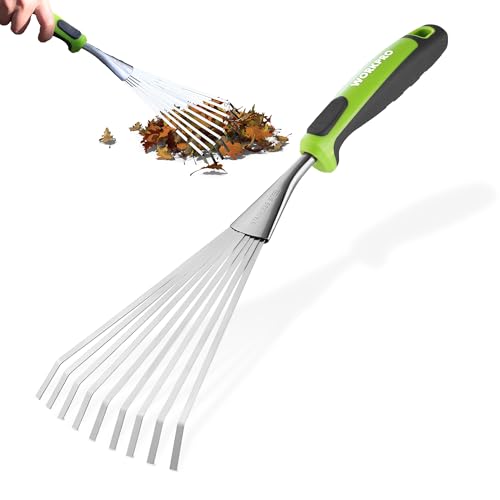
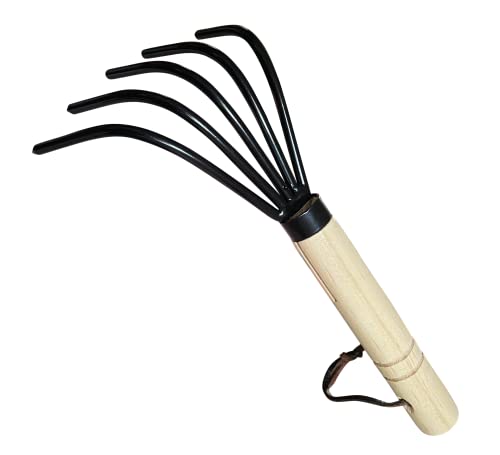
Tine layout decides whether a rake is best at breaking soil or sweeping debris. Three-tine claws concentrate force for digging, cultivating, and aerating, while five-tine claws spread that work across more soil per stroke, which is useful in larger beds. Fan-shaped flat tines, like those on the Finder rake, gather leaves, pine needles, and mulch without digging in, making them ideal for cleanup around delicate plants. Reach also varies: short 8-to-10-inch claws give precise control in tight spaces, while 15-to-17-inch handles, such as the Fiskars Xact and WORKPRO 16-inch, extend your leverage for tougher soil and reduce the need to kneel or bend.
Ergonomic Grip Design
Look for contoured or sculpted handles that the brand documents as targeting palm, finger, and wrist pressure during repeated strokes. Soft materials such as TPR overmold on the WORKPRO, contoured rubber on the Finder, FSC-certified wood shaping on the Garden Guru Eco, and the Softgrip with multiple grip positions on the Fiskars Xact each approach comfort differently, but all aim to keep the hand relaxed. If you have arthritis, sensitive joints, or tend to rake for long sessions, prioritize handles that explicitly mention palm pressure relief or wrist fatigue reduction.
Build Durability and Corrosion Resistance
Rust-resistant coatings and stainless or carbon steel construction matter for long-term ownership. Many tools in this list pair their metal heads with epoxy or anti-rust coatings, and the Garden Guru Eco adds recycled stainless steel plus an FSC-certified wood handle for a sustainability-focused build. Warranty terms, such as lifetime coverage offered across the Garden Guru range, signal that the manufacturer expects the tool to last through years of seasonal use.
Maneuverability in Tight Beds
For raised beds, container gardens, and densely planted borders, narrow heads and short overall length are key. The B07VLSR27H Garden Guru cultivator and the B0F9B63LHF high carbon variant use three large tines for tight digging, while the Finder fan rake and the WORKPRO mini rake balance reach with a narrow footprint. Wider five-tine heads cover more ground but may not fit between closely spaced seedlings, so match the head width to your bed density.
Handle Length and Balance
Shorter handles, around 8 to 12 inches, keep weight over the hand for precision work, while 15-to-17-inch handles add leverage for tougher soil. Weighted or balanced handles, like the Fiskars Xact design, help the head do more of the work so your wrist does less. Lanyards and hang holes, present on the WORKPRO, Finder, and several Garden Guru models, also support better storage habits and faster grab-and-go sessions.
Final Recommendation
Fiskars Xact Hand Rake ranks first overall in this specification-based comparison under the published weighted criteria.
The final choice among the best ergonomic garden rakes depends on the documented features that match your intended use.
For a specification-based first choice, the Fiskars Xact Hand Rake stands out as the top ergonomic garden rakes pick thanks to its documented multi-position Softgrip, weighted handle, and stainless head with flexible tines that suit both precise bed work and heavier soil. Gardeners focused on sustainability and a wood grip will find the Garden Guru Eco Hand Rake a strong runner-up, while those breaking up clay and rocky ground should consider the Garden Guru Stainless Hand Cultivator for its documented heavy-clay capability. Together, these three represent the top ergonomic garden rakes highlighted in this guide, with the remaining entries covering carbon steel claws, fan-tine cleanup rakes, and soft-grip mini rakes for specialized bed tasks.
Frequently Asked Questions
What makes a garden rake ergonomic?
An ergonomic garden rake pairs a contoured, soft, or shaped handle with head geometry that lets the tines do the work, so your wrist, palm, and fingers stay relaxed. Documented features such as multi-position Softgrip, TPR overmold, contoured wood handles, and hang holes for easy storage all contribute to a more comfortable, fatigue-aware design.
How do I choose the best ergonomic garden rakes for clay or rocky soil?
For clay or rocky soil, focus on high carbon steel or stainless steel heads with three or more rigid tines. Models such as the Garden Guru Stainless Hand Cultivator and the Garden Guru High Carbon Hand Cultivator document capability in heavier soils, while an ergonomic grip keeps repeated digging strokes easier on the joints.
Are fan-tine rakes good for flower beds?
Fan-tine rakes like the Finder 15.6-inch model use flexible flat tines to gather leaves, mulch, and small debris without cutting into soil. They work well in flower beds where you want to clean the surface around delicate plants, while a claw cultivator is better when you need to break and aerate the soil beneath.
What handle length is best for raised beds?
Short handles around 8 to 12 inches give precise control in raised beds and container gardens, while 15-to-17-inch handles add reach and leverage when you want to stay standing longer. Matching handle length to bed depth and your preferred working posture helps you avoid wrist and back strain.
How do I maintain an ergonomic garden rake?
Wipe the head dry after use, store it using the hang hole or lanyard, and occasionally check the handle rivets on wood-handled claws.