Buying Guide
Choosing among the best gluten-free marinara sauces starts with confirming what the listing actually documents. A sauce can be described as marinara, pasta sauce, or tomato sauce, but the useful comparison points are the gluten-free claim, the ingredient information, the intended uses, and any additional dietary design. This guide treats those details as specifications, not as proof of taste, texture, or cooking performance.
Confirm the gluten-free claim
Look for a direct gluten-free statement in the product title or feature list. Barilla, Prego, Bionaturae, Fody Foods, Primal Kitchen, Dave’s Gourmet, Michael’s of Brooklyn, Fiorella’s, and both Sauz selections provide that kind of category evidence in the supplied listings. A direct statement is more useful than assuming a tomato sauce is gluten-free simply because wheat is not mentioned.
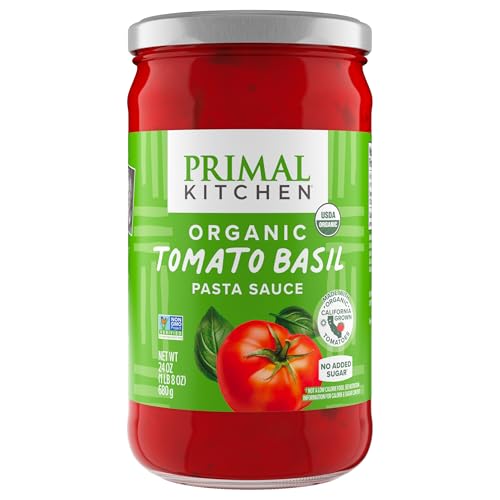
The strength of documentation varies. Fody Foods goes further by identifying certification, while Primal Kitchen states that the sauce contains no gluten or grain. Barilla identifies the sauce as gluten-free alongside vegan, vegetarian, egg-free, and Kosher claims. Bionaturae places gluten-free alongside organic and Non-GMO Project Verified positioning. These distinctions help shoppers decide how much label detail they want to see before selecting a jar.
Compare the ingredient profile
Ingredient transparency is especially useful when choosing between traditional and specialized formulas. Bionaturae names Italian tomatoes, basil, and extra virgin olive oil. Michael’s of Brooklyn adds garlic, oregano, parsley, and olive oil to its Italian tomato base. Barilla lists tomatoes, garlic puree, simmered onions, basil, and extra virgin olive oil. Dave’s Gourmet identifies diced tomatoes, olive oil, garlic, onions, and herbs.
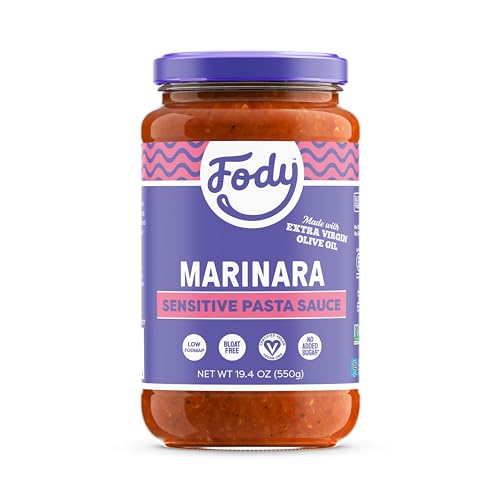
Several selections take a different route. Primal Kitchen uses organic California-grown tomatoes and avocado oil. Fody Foods is made without onion or garlic and includes California tomatoes, basil, and extra virgin olive oil. Nominal flavor names also matter: Sauz Miso Garlic and Sauz Wild Rosemary indicate a variation from a conventional basil-and-garlic profile, although the supplied listings provide fewer underlying ingredients for those two sauces.
When a product has a specific dietary goal, read the full package label before serving it. The supplied listing can establish a claim or named ingredient, but it does not replace current packaging information for allergies, cross-contact, or personal dietary decisions.
Match the sauce to the recipe
A versatile marinara can cover more than spaghetti. Bionaturae is listed for spaghetti, pizza, and lasagna. Michael’s of Brooklyn is described for spaghetti, lasagna, pizza, baked ziti, stuffed shells, and parmigiana-style dishes. Dave’s Gourmet is listed for pasta, pizza, lasagna, casseroles, roasted vegetables, meatballs, and dipping. Fiorella’s documents pasta, pizza, lasagna, and dipping uses, with separate marinara and pizza sauces in its variety pack.
Barilla and Prego are positioned for everyday pasta meals, while Primal Kitchen names spinach lasagna, baked ziti, and pasta. Fody Foods is designed around a low-FODMAP approach, so its onion- and garlic-free construction may be more important than matching a conventional marinara formula. Sauz’s two flavor variations may suit cooks who want a more distinctive herb or savory direction, but the evidence supplied does not document a comparable list of recipe applications.
Evaluate dietary priorities beyond gluten
Gluten-free is only one possible requirement. Vegan shoppers can consider Barilla, Dave’s Gourmet, Fiorella’s, Fody Foods, Primal Kitchen, and Prego, all of which include vegan positioning in their supplied evidence. Those avoiding added sugar can look at Bionaturae, Yo Mama’s Foods, Fiorella’s, Barilla, Fody Foods, Primal Kitchen, Prego’s listing, and the no-added-sugar claims for several other selections.
For reduced-sodium needs, Michael’s of Brooklyn is specifically described as low sodium, while Fiorella’s is described as reduced sodium. The supplied evidence does not provide exact sodium amounts, so shoppers who must meet a numeric limit should verify the current nutrition panel. Fody Foods is the most specialized selection for low-FODMAP eating, and Primal Kitchen provides the broadest listed exclusions among the ranked products, including dairy and soy.
Format affects how a sauce fits a cooking routine. Single-jar options include Bionaturae at 24 ounces, Barilla at 24 ounces, Prego at 23 ounces, Fody Foods at 19.4 fluid ounces, Primal Kitchen at 24 fluid ounces, and the two Sauz sauces at 25 ounces. These sizes are useful when a recipe calls for one jar or when you want to compare a flavor before committing to a larger pack.
Multi-jar choices include Dave’s Gourmet in a three-jar, 24-ounce format and Michael’s of Brooklyn in a two-jar, 32-ounce format. Yo Mama’s Foods is listed as three 12.5-ounce jars. Fiorella’s is different: it combines a 25-ounce marinara with a 16-ounce pizza sauce. Review the exact pack description because a variety pack may not provide multiple jars of the same sauce.
Final Recommendation
Bionaturae Organic Marinara ranks first overall in this specification-based comparison under the published weighted criteria.
Bionaturae Organic Marinara is the first overall specification-based choice among the best gluten-free marinara sauces. Its listing combines a direct gluten-free claim with USDA organic certification, Non-GMO Project Verified status, named Italian ingredients, and documented pasta, pizza, and lasagna uses. It is the most complete all-purpose match when ingredient sourcing and a traditional-style profile matter.
Choose Michael’s of Brooklyn Low Sodium Marinara when reduced-sodium positioning and a larger two-jar format are priorities. Choose Fody Foods when Low FODMAP Certification and an onion- and garlic-free recipe are central requirements. Dave’s Gourmet and Fiorella’s are especially practical for cooks who want broad documented applications, while Barilla and Prego provide straightforward vegan and gluten-free options. For the top gluten-free marinara sauces with additional dietary exclusions, Primal Kitchen offers no gluten, grain, dairy, or soy according to its listing.
The two Sauz flavors are the most distinctive options in this set, but their supplied evidence is less detailed. They are better matched to shoppers who specifically want Miso Garlic or Wild Rosemary direction and are comfortable checking the package for further ingredient information.
Frequently Asked Questions
What makes a marinara sauce gluten-free?
A direct gluten-free statement or certification in the listing provides the clearest evidence. This comparison does not infer gluten-free status solely from a tomato-based ingredient description. Always check the current package label if cross-contact or a medically required diet is involved.
Which of the best gluten-free marinara sauces is suited to low-FODMAP eating?
Fody Foods Marinara is the specialized choice because its listing identifies Low FODMAP Certification and says it is made without onion or garlic. It is also described as certified gluten-free, vegan, and free of added sugar.
Are these sauces vegan?
Several selected products are explicitly described as vegan, including Barilla, Dave’s Gourmet, Fiorella’s, Fody Foods, Primal Kitchen, and Prego. Yo Mama’s Foods lists organic chicken stock, so it should not be treated as vegan based on the supplied evidence.
Which selection offers reduced-sodium positioning?
Michael’s of Brooklyn is described as a low-sodium pasta sauce, and Fiorella’s variety pack is described as reduced sodium. The supplied listings do not give exact sodium quantities, so verify the nutrition panel when a specific limit matters.
Can marinara be used for pizza or lasagna?
Yes, several selected listings document those uses. Bionaturae, Michael’s of Brooklyn, Dave’s Gourmet, and Fiorella’s mention pizza and lasagna, while Fiorella’s also includes a separate pizza sauce in its variety pack. Confirm the intended use on the package when choosing between a marinara and a pizza-specific formula.
Frequently Asked Questions
How should I compare the top gluten-free marinara sauces?
Start with gluten-free documentation, then compare named ingredients, dietary exclusions, recipe uses, and jar format. Those specifications provide a more practical match for your kitchen than relying on a broad label alone.
Does organic status determine which sauce is best?
No. Organic status is one attribute. Bionaturae and Dave’s Gourmet provide organic positioning, while other selections emphasize low sodium, low-FODMAP design, vegan labeling, or broad allergen exclusions. The right choice depends on which documented specifications fit your needs.