Buying Guide
Choosing among the best gluten-free chili sauces starts with separating sauce styles. A sweet Thai chili sauce is generally described as a dipping, drizzling, glazing, or marinade product. A sriracha is positioned more as a hot condiment and cooking sauce. Gochujang and roasted chili paste are thicker, more concentrated formats that can form the base of a dish. Szechuan sauce brings a different direction, with spices, ginger, plum, sesame, and tamari documented by San-J.
Verify the gluten-free documentation
The most specification-aligned products identify gluten-free status directly in their titles or feature sets. Kikkoman’s sweet chili sauce and sriracha both use explicit gluten-free wording, while O’food, Sempio, Thai Kitchen, Blue Dragon, Lee Kum Kee, A Taste of Thai, San-J, and Pretty Thai also document gluten-free status in the supplied evidence. Pretty Thai identifies gluten-free certification in its title, although its supplied description includes an inconsistent reference to peanut sauce. That contradiction is why its ranking is lower than products with more internally consistent evidence.
For strict dietary needs, review the current package and manufacturer information before use. Public product text can change, and a product’s stated gluten-free status does not by itself describe every possible cross-contact control. The comparison here reports the supplied product evidence rather than adding a safety certification claim that was not provided.
Match the sauce to the dish
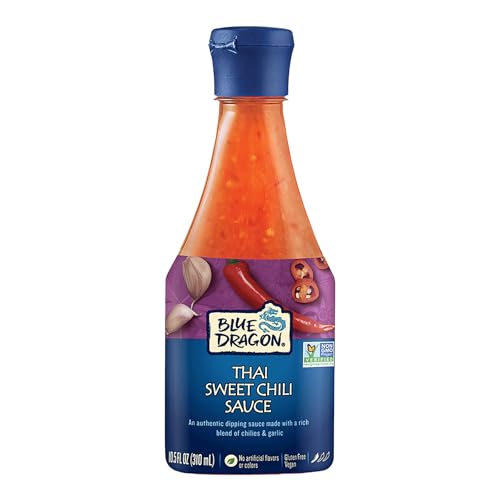
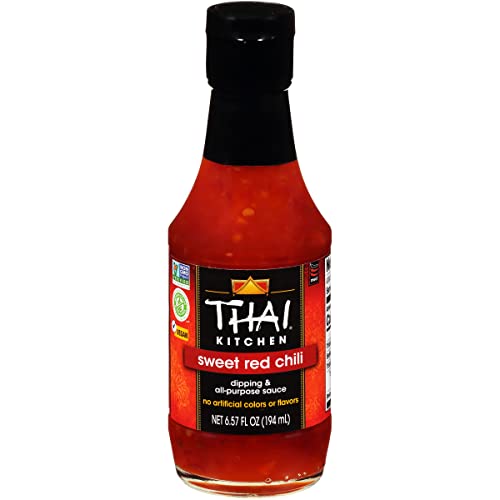
For spring rolls, dumplings, vegetables, or wings, sweet Thai styles are the most clearly documented choices. Blue Dragon combines red chilies and garlic and identifies dipping, marinading, noodles, vegetables, and stir-fries as uses. Thai Kitchen offers a similar all-purpose direction, while A Taste of Thai is specifically described as mild and gently sweet.
For rice bowls, bibimbap, tteokbokki, noodles, or Korean-inspired marinades, choose gochujang. O’food documents a medium-hot Korean fermented profile and squeeze-bottle use. Sempio is a thicker red chili pepper paste made with Korean red chilies, rice, and soybeans, with a naturally sweet, spicy, and savory character. These are not interchangeable with a thin dipping sauce, but both can be used in sauces, marinades, and stir-fries.
For a more familiar hot-sauce direction, compare the sriracha options. Kikkoman emphasizes heat, sweetness, and umami from gluten-free tamari. Lee Kum Kee describes a smooth, spicy, hot-and-sweet sauce with a hint of garlic. The two products therefore overlap in format but differ in the flavor details supplied by their product information.
Consider texture and application
Texture affects how a sauce behaves in a recipe. Pourable sweet chili and sriracha products are convenient for dipping, drizzling, and quick additions. Gochujang and roasted red chili paste are more suitable when you want a concentrated ingredient to blend into a marinade, soup, curry, or stir-fry. San-J sits between condiment and cooking sauce, with stated uses that include dipping, noodle and vegetable bowls, stews, and marinades.
A squeeze bottle can make controlled finishing easier, as documented for O’food. Paste-style products may be preferable when a recipe calls for spooning a concentrated base into a larger sauce. The evidence does not establish exact thickness or pour behavior for every product, so treat these as format-based distinctions rather than hands-on texture results.
Check flavor and dietary attributes
Ingredient details can help narrow the field. Blue Dragon lists red chili and two types of garlic, while Lee Kum Kee highlights garlic alongside spicy, sweet, and savory notes. San-J includes gluten-free tamari, ginger, plum, and sesame. O’food and Sempio both document fermented Korean ingredients, and Thai Kitchen’s roasted paste is presented as a Thai flavoring base.
Several selections also list vegan or non-GMO attributes. Blue Dragon, O’food, Thai Kitchen sweet chili, and Lee Kum Kee document vegan status; Blue Dragon, Lee Kum Kee, and San-J provide non-GMO-related information. These claims describe the supplied product evidence and should still be checked against the latest label when a specific dietary restriction matters.
Use size as a planning factor
The selected products range from the 4-ounce Thai paste to the 20-ounce Kikkoman sriracha. Smaller formats can suit specialty pastes or occasional use, while larger bottles are more suitable when a sauce appears in frequent marinades, stir-fries, or table servings. The 6.57-fluid-ounce Thai Kitchen bottle and 7-ounce A Taste of Thai bottle are compact options for dipping. Blue Dragon, Pretty Thai, Sempio, and San-J occupy mid-size territory, while Lee Kum Kee and Kikkoman provide larger sauce formats.
Methodology
This is a specification-based comparison using public product data, not a hands-on test and not a summary of customer sentiment. Editorial scores use only the five published category criteria: gluten-free documentation, flavor style and heat detail, culinary versatility, dietary and ingredient attributes, and format and size practicality. No criterion uses marketplace signals or popularity labels. The comparison reports documented product attributes and does not add unverified test results or customer sentiment.
Final Recommendation
Lee Kum Kee Sriracha Chili Sauce ranks first overall in this specification-based comparison under the published weighted criteria.
Lee Kum Kee Sriracha Chili Sauce is the first overall specification-based choice in this comparison.
The final choice among the best gluten-free chili sauces depends on the documented features that match your intended use. Lee Kum Kee Sriracha Chili Sauce combines a smooth texture with spicy, sweet, savory, and garlic notes, and its supplied uses include dipping, drizzling, sauces, dressings, marinades, noodles, and stir-fries.
O’food Gochujang Korean Chili Sauce is a useful alternative for cooks who want one product for rice bowls, noodles, marinades, stir-fries, dipping, and finishing. It combines explicit gluten-free and vegan documentation with a medium-hot fermented Korean profile, broad cooking guidance, and a squeeze format. Among the top gluten-free chili sauces, it is a suitable match for cooks seeking fermented chili flavor.
Choose San-J when a fiery Szechuan direction is more useful, or Kikkoman Gluten-Free Sriracha when tamari-based umami and a larger bottle are priorities. For classic sweet Thai dipping, Blue Dragon is the clearest all-purpose selection, while A Taste of Thai is better suited to mild-heat preferences. Sempio and Thai Kitchen Gluten Free Roasted Red Chili Paste are the more specialized paste formats. The right choice ultimately depends on whether the main job is dipping, drizzling, building a cooking base, or adding fermented chili depth.
Frequently Asked Questions
What are the best gluten-free chili sauces for dipping?
Blue Dragon Thai Sweet Chili Sauce, Thai Kitchen Gluten Free Sweet Red Chili Sauce, and A Taste of Thai Sweet Chili Sauce are the clearest dipping-oriented options in this comparison. Their product information specifically mentions spring rolls, vegetables, appetizers, or other dipping uses. A Taste of Thai is the most clearly mild option based on its supplied description.
Is gochujang the same as sweet chili sauce?
No. O’food and Sempio are gochujang products: fermented Korean red chili pastes with documented sweet, spicy, and savory characteristics. Sweet chili sauces such as Blue Dragon and Thai Kitchen are presented as dipping, drizzling, or glazing sauces. Gochujang is typically the more concentrated cooking ingredient in this product set, while sweet chili sauce is more directly ready for dipping.
Which selected sauce is best for stir-fries?
Several products document stir-fry use. San-J is specifically a Szechuan cooking sauce, while O’food, Sempio, Blue Dragon, Thai Kitchen, and Kikkoman also identify stir-fries among their applications. Select San-J for its stated hot Szechuan profile, O’food for fermented Korean flavor, or Blue Dragon for a sweeter Thai-style direction.
Are all chili pastes interchangeable with pourable sauces?
No. Thai Kitchen Gluten Free Roasted Red Chili Paste, Sempio Gluten-Free Gochujang, and O’food Gochujang Korean Chili Sauce are paste-style products or paste-based formats. Their product information emphasizes cooking bases, marinades, sauces, or bowl dishes. Pourable sweet chili and sriracha products are more directly suited to dipping and drizzling. The evidence does not provide a universal substitution ratio, so adapt a recipe according to the intended texture and flavor concentration.
What should I check before serving a gluten-free chili sauce?
Confirm the current package statement and ingredient information, especially if avoiding gluten is medically necessary. This guide uses the gluten-free claims supplied in the product data, but it does not independently verify manufacturing controls, facility practices, or later label changes.