Buying Guide
Choosing the best gluten-free penne pasta starts with understanding how ingredient blend, certification breadth, and cooking behavior shape everyday meals. Because every box behaves differently once it hits boiling water, a specification-driven comparison helps narrow the field before you commit to a pantry staple.
Ingredient Blend and Simplicity
The first filter is the flour blend listed on the box. Many mainstream options, including Barilla Gluten Free Penne, Rummo Gluten Free Penne Rigate, and 365 by Whole Foods Market Corn & Rice Penne Rigate, rely on a straightforward rice and corn combination. These blends tend to produce a relatively neutral flavor and an al dente bite in 10 to 12 minutes, but they can turn soft if overcooked.
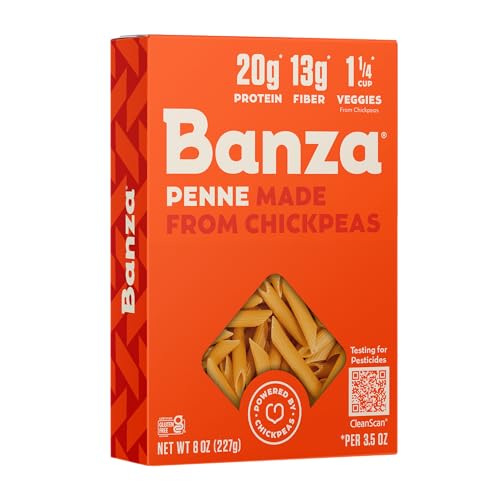
Multi-flour recipes add complexity and nutrition. Garofalo combines corn, rice, potato, and quinoa, while Banza Chickpea Penne is built almost entirely on chickpeas, and Barilla Red Lentil Penne uses just red lentil flour. Legume-based penne such as Banza and Barilla Red Lentil tend to deliver more protein and fiber, though the flavor is more pronounced than neutral rice-corn options. For shoppers wanting the shortest possible ingredient list, Jovial Brown Rice Penne uses only organic brown rice and water, and NOW Foods Organic Quinoa Penne combines rice, quinoa, and amaranth for a corn-free profile.
Dietary Certifications and Allergen Controls
Certification breadth matters for shared kitchens. NOW Foods Organic Quinoa Penne carries USDA Organic, Non-GMO Project Verified, Certified Gluten Free, and halal labels, and is produced in a dedicated allergy-friendly facility that avoids wheat, corn, soy, and several other common allergens. Jovial Brown Rice Penne is USDA Organic, Non-GMO Project Verified, and certified gluten-free at less than 10 ppm, made in a dedicated gluten-free Italian facility. 365 by Whole Foods Market Corn & Rice Penne Rigate is non-GMO verified and certified gluten-free, while Barilla Gluten Free Penne is produced on a dedicated gluten-free line with non-GMO ingredients.
If you need corn-free options, NOW Foods and Jovial both avoid corn, while most of the rice-and-corn blends do not.
Texture Performance and Cooking Time
Penne rigate’s ridged tubes are designed to hold sauce, and several gluten-free versions lean into that geometry. Rummo Gluten Free Penne Rigate, Le Veneziane Italian Penne Rigate, Ronzoni Gluten Free Penne Rigate, and 365 by Whole Foods Market Corn & Rice Penne Rigate all use the ridged shape, which can help thicker sauces cling to the pasta surface.
Cooking time varies by base flour. Barilla Gluten Free Penne targets 10 to 12 minutes, Rummo lands around 12 minutes, Jovial brown rice penne cooks comparably to traditional wheat pasta, and faster-cooking legume options such as Banza Chickpea Penne and Barilla Red Lentil Penne are typically done in about 8 minutes. If your weeknight schedule is tight, an 8-minute cook time may matter more than subtle flavor differences.
Brand Provenance and Production Method
Where and how a pasta is made influences its texture and authenticity. Garofalo, Rummo, Le Veneziane, Jovial, and 365 by Whole Foods Market all source or produce their gluten-free penne in Italy, with Garofalo and Jovial also emphasizing slow drying and bronze-die pressing for firmer texture and better sauce adhesion. Barilla’s gluten-free line is produced on a dedicated gluten-free line, Banza is US-made with a chickpea focus, and NOW Foods packages its quinoa penne in North America. Italian production methods often translate into firmer al dente results, particularly with bronze dies and low-temperature drying.
Nutritional Profile and Functional Benefits
If you want more than empty carbohydrates, legume- and whole-grain-based penne stands out. Banza Chickpea Penne offers about 20 g of protein and 8 g of fiber per serving, while Barilla Red Lentil Penne delivers roughly 25 g of protein and 11 g of fiber per 3.5 oz serving. Jovial Brown Rice Penne contributes 57 g of whole grains per 2 oz serving, while NOW Foods Organic Quinoa Penne uses quinoa and amaranth for additional nutritional variety. Penne is a wheat-based, lower-carb option produced by General Mills, though it is not aligned with strict gluten-free requirements and is therefore not in this top 10.
Format affects how often you restock. suit smaller households or shoppers testing a new brand. Multi-pack formats like Garofalo’s 4-pack, Ronzoni’s 3-pack, Barilla Protein+’s case sizing, and Barilla Red Lentil Penne’s 10-box case better match frequent pasta nights.
Final Recommendation
Garofalo Gluten-Free Penne, 12 oz (Pack of 4) ranks first overall in this specification-based comparison under the published weighted criteria.
Garofalo Gluten-Free Penne stands as the first overall specification-based choice thanks to its four-flour blend, slow-drying process, bronze-drawing detail, and multi-pack Italian format. Among the top gluten-free penne pasta candidates, it pairs the most demanding production methods with a versatile ingredient profile, making it well suited for hearty ragùs, pesto, and baked dishes. For shoppers prioritizing a two-ingredient recipe, Barilla Gluten Free Penne offers a familiar option, while Banza Chickpea Penne is the most specification-aligned pick if protein and fiber are central goals. NOW Foods Organic Quinoa Penne is the leading allergen-friendly option, and Jovial Brown Rice Penne is the cleanest two-ingredient organic brown rice entry. Together these five lead the field, with Rummo, Le Veneziane, Ronzoni, 365 by Whole Foods Market, and Barilla Red Lentil Penne rounding out the best gluten-free penne pasta lineup for 2026.
Frequently Asked Questions
A combination of ingredient blend, ridged geometry, and drying method drives performance. Italian-produced options such as Garofalo, Rummo, Le Veneziane, Jovial, and 365 by Whole Foods Market often use bronze dies and slow drying for a firmer al dente bite, while legume-based penne like Banza and Barilla Red Lentil Penne cook faster and bring more protein.
Are corn-free gluten-free penne options available?
Yes. NOW Foods Organic Quinoa Penne and Jovial Brown Rice Penne are both corn-free. NOW Foods blends rice, quinoa, and amaranth and avoids wheat, corn, and soy, while Jovial uses only organic brown rice and water.
Which gluten-free penne has the most protein?
Among the products in this guide, Barilla Red Lentil Penne leads with about 25 g of protein per 3.5 oz serving, closely followed by Banza Chickpea Penne at roughly 20 g of protein per serving. Both are legume-based and also provide meaningful fiber.
How should cooking time change for gluten-free penne?
Gluten-free penne often benefits from slightly shorter cook times and more frequent tasting. Barilla Gluten Free Penne suggests 10 to 12 minutes, Rummo targets 12 minutes, and legume-based options such as Banza and Barilla Red Lentil Penne finish in about 8 minutes. Always begin checking a minute before the printed time to avoid a soft, sticky texture.
Is multi-grain gluten-free penne better than rice and corn blends?
Multi-grain options such as Garofalo’s corn, rice, potato, and quinoa blend can add nutritional variety and texture depth, but rice-and-corn blends like Barilla Gluten Free Penne and 365 by Whole Foods Market Corn & Rice Penne Rigate remain reliable choices for neutral flavor and broad sauce compatibility. The best pick depends on which features matter most for your kitchen.