Buying Guide
Picking the best gluten-free rice noodles is easier when you focus on the specifications that actually change the cooking result. Flour type, strand width, processing method, and pack format all influence how a noodle behaves in broth, stir-fry, or salad. The options below cover stir-fry noodles, somen, Pad Thai, ramen, and glass-style rice products, so this guide walks through the key criteria before highlighting the top gluten-free rice noodles to consider.
Flour Type and Ingredient Purity
Rice flour is the foundation, but the exact type shapes flavor and texture. White rice flour tends to deliver a neutral base that absorbs sauces readily, while brown rice flour adds a slightly nuttier profile and a whole-grain composition. Shorter ingredient lists often signal fewer points where cross-contamination can occur, which matters for strict gluten-free and allergen-conscious kitchens.
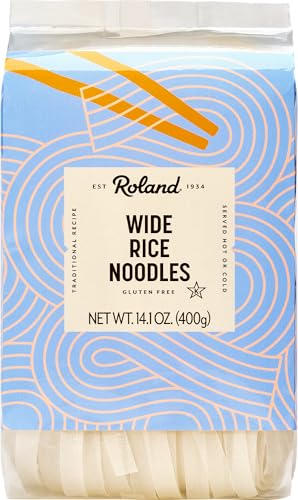
Format dictates which dish a noodle suits. Thin strands such as Thai Kitchen Thin Rice Noodles work well in Pad Thai and cold salads, while wide 10mm strands like Roland Foods Wide Rice Noodles are designed for pad see ew and drunken noodle dishes. Flat Pad Thai noodles, including Lotus Foods Organic Brown Rice Pad Thai Noodles, sit between these two extremes. Round Hong Kong-style noodles, such as Ka-Me Hong Kong Express Rice Noodles, offer a chewy bite in soy-based sauces. Checking the documented strand width or format in the product listing helps match the noodle to the recipe you plan to cook.
Processing Method and Texture
How a noodle is processed affects its bite after cooking. Steam-cooked and slowly dried noodles, including Thai Kitchen Stir Fry Rice Noodles and Thai Kitchen Brown Rice Noodles, tend to hold a firmer texture once soaked. Glass and vermicelli products, including Eden Bifun Rice Pasta, are designed for very fast cooking and can be deep-fried for a crispy chow mein style. Matching processing method to cooking technique helps avoid noodles that turn gummy or break apart.
Preparation Time and Method
Preparation instructions vary widely across the best gluten-free rice noodles. Soak-only products need advance planning, while pre-cooked options like Ka-Me Hong Kong Express cut prep to two minutes. Quick-boil products such as Sempio Korean Somen Rice Noodles list a 4-minute cook time, and BAMI Gluten Free Ramen Noodles is built for rapid ramen prep. Reviewing the published cook time and method helps align a noodle with your weekly cooking routine.
Dietary Versatility
Many rice noodles are naturally gluten-free, but labeling varies. Some products explicitly state suitability for vegan, wheat-free, and egg-free diets, while others highlight organic, non-GMO, or no-preservative builds. Lotus Foods Organic Brown Rice Pad Thai Noodles and Eden Bifun Rice Pasta both list clean ingredient profiles, while the BAMI ramen format focuses on low-sodium and MSG-free seasoning. Choosing a noodle whose dietary claims match your household keeps mealtime planning consistent.
Pack size influences how often a noodle needs replacing. Family-size options such as Sempio Korean Somen Rice Noodles provide multiple servings per bag. Choosing the right format reduces waste and keeps the pantry stocked with the format you actually use.
Final recommendation
Thai Kitchen Stir Fry Rice Noodles ranks first overall in this specification-based comparison under the published weighted criteria.
Thai Kitchen Stir Fry Rice Noodles stands out as the first overall specification-based choice among the best gluten-free rice noodles, thanks to its short ingredient list, steam-cooked texture approach, and broad stir-fry format. For kitchens that want a ready-to-serve noodle, Ka-Me Hong Kong Express Rice Noodles offers the fastest prep time, while Roland Foods Wide Rice Noodles is the go-to for wide-strand recipes. Households that want organic sourcing can lean on Lotus Foods Organic Brown Rice Pad Thai Noodles, and ramen-focused cooks may prefer BAMI Gluten Free Ramen Noodles for its quick, low-sodium format. Together, these options represent the top gluten-free rice noodles across stir-fry, soup, salad, and ramen categories.
Frequently Asked Questions
Among the best gluten-free rice noodles, what makes rice noodles naturally gluten-free?
Rice noodles are made from rice flour rather than wheat, which removes the gluten-containing grains from the recipe. The best gluten-free rice noodles maintain that simplicity with short ingredient lists, as seen in Thai Kitchen Stir Fry Rice Noodles and Eden Bifun Rice Pasta.
Flat Pad Thai noodles or thin rice strands are traditional. Thai Kitchen Thin Rice Noodles and Lotus Foods Organic Brown Rice Pad Thai Noodles are both designed for Pad Thai-style cooking, with documented suitability for stir-fries and noodle salads.
How should wide rice noodles be cooked?
Wide rice noodles like Roland Foods Wide Rice Noodles are typically soaked or briefly boiled until tender, then stir-fried with sauce. Exact soak and boil times should follow the product listing, as width changes the timing.
Which gluten-free rice noodles are best for ramen bowls?
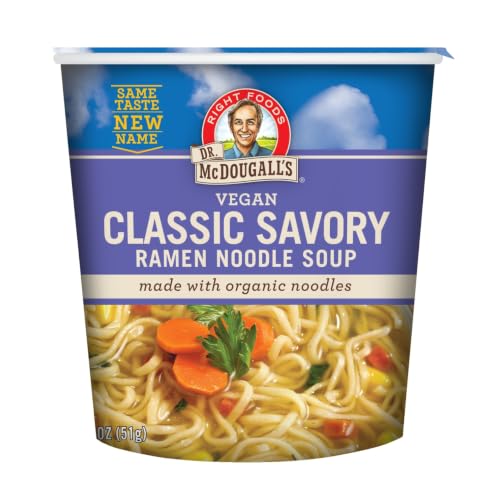
Both are documented as gluten-free and designed for fast ramen prep.
Are rice noodles suitable for cold dishes and salads?
Rice noodles work well in cold applications once rinsed and chilled. Eden Bifun Rice Pasta and Thai Kitchen Thin Rice Noodles are both documented for salads, soups, and side dishes in addition to hot recipes, making them flexible options for mixed meal planning.