Buying Guide
Choosing the best gluten-free coconut oils begins with understanding how processing method, form, and labeling drive the difference between a baking staple, a cooking oil, and a personal care product. The picks above are organized to make those trade-offs easier to compare at a glance, since the best gluten-free coconut oils are not a single product but a category with several usable formats.
Understanding Processing Methods
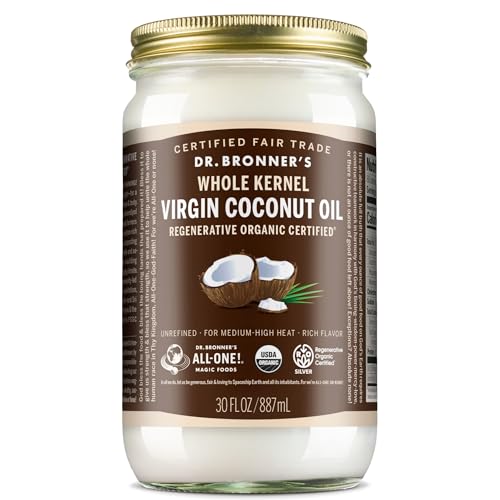
Unrefined virgin coconut oil, like the Nutiva Organic Virgin Coconut Oil and the Viva Naturals Organic Coconut Oil, is pressed from fresh coconut meat without chemical solvents. These oils retain the natural aroma and the fatty acid profile that cold-pressing preserves, including medium-chain triglycerides and lauric acid. Refined coconut oil, such as the 365 by Whole Foods Market Organic Refined Coconut Oil, is processed to remove the coconut flavor, giving a neutral-tasting cooking oil suited to dishes where coconut flavor is not desired. Expeller-pressed and whole kernel options, like the Dr. Bronner’s Whole Kernel Virgin Coconut Oil, retain more of the nuttier flavor compounds because the inner skin remains in the kernel during pressing.
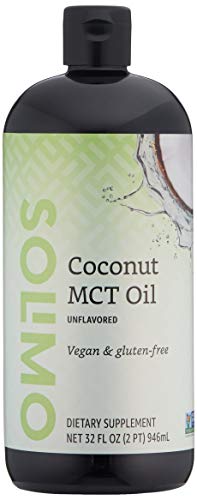
Solid coconut oils, like most of the virgin options here, melt at around 76°F and re-solidify when cooled. This is convenient for measuring and for baking, but it can be inconvenient for pourable dressings or quick stovetop use. Liquid formats, such as the Carrington Farms Organic Liquid Coconut Cooking Oil and the Nutiva Butter Flavor Coconut Oil set of steam-refined options, stay pourable at room temperature and are designed for sautéing and frying. Fractionated and MCT formats, like the Solimo MCT Liquid Coconut Oil, separate specific fatty acids to deliver a stable liquid oil that mixes easily into beverages and personal care formulas.
Reading Dietary Certifications
For shoppers who strictly avoid gluten, certifications matter as much as the words on the label. Several products in this roundup explicitly state gluten-free certifications or verification, including the Viva Naturals Organic Coconut Oil, the Garden of Life Organic Coconut Oil, and the Solimo MCT Liquid Coconut Oil. Others, including the Nutiva Organic Virgin Coconut Oil and the Nutiva Butter Flavor Coconut Oil, document gluten-free dietary compatibility without naming a third-party certifier. Shoppers managing celiac disease or strict sensitivity may prefer the products that name a certifying organization on the label.
Evaluating Fatty Acid Profile
If the goal is to favor medium-chain fatty acids, look for products that publish specific figures. The Nutiva Organic Virgin Coconut Oil lists 63% medium-chain triglycerides and 50% lauric acid, while the Garden of Life Organic Coconut Oil names lauric, caprylic, and capric acids individually. The Solimo MCT Liquid Coconut Oil documents C8 caprylic acid, C10 capric acid, and C12 lauric acid, which is a useful breakdown for users who track individual MCTs. Listings that omit specific fatty acid percentages do not necessarily lack quality, but they leave more verification work to the buyer.
Matching Size and Packaging to Routine
Jar size is a practical consideration. A 14 to 16 fl oz jar, like the Viva Naturals, Garden of Life, or Carrington Farms formats, fits a typical household rotation without dominating shelf space. Larger 29 to 30 fl oz jars, such as the Dr. Bronner’s Whole Kernel Virgin Coconut Oil and the Nutiva Butter Flavor Coconut Oil, reduce repackaging waste and suit frequent cooking or popcorn nights. Liquid oils in plastic bottles, such as the Carrington Farms option, may need a dedicated shelf spot and a clear label for storage.
Considering Cross-Functional Use
Coconut oil is a rare ingredient that moves between kitchen and bath. Virgin options like the Nutiva Organic Virgin Coconut Oil and the Viva Naturals Organic Coconut Oil are documented for cooking, hair, and skin. The Dr. Bronner’s Whole Kernel Virgin Coconut Oil includes explicit hair, body, and oil-pulling uses alongside sautéing. Liquids such as the Carrington Farms format are primarily aimed at cooking, while butter-flavored formats such as the Nutiva Butter Flavor Coconut Oil are clearly aimed at popcorn, baking, and spreads. Matching the format to the dominant use case reduces the need for multiple products on the counter.
Final Recommendation
Viva Naturals Organic Coconut Oil, 16 Fl Oz ranks first overall in this specification-based comparison under the published weighted criteria.
The final choice among the best gluten-free coconut oils depends on the documented features that match your intended use.
For a single specification-based choice that documents cold-pressed extraction, top gluten-free coconut oils labeling, and broad cross-functional use, the Nutiva Organic Virgin Coconut Oil is the highest-scoring returned product and a reliable first pick. The Viva Naturals Organic Coconut Oil is a strong alternative for buyers who want an explicit gluten-free certification alongside organic and non-GMO verification. For liquid cooking, the Carrington Farms Organic Liquid Coconut Cooking Oil is logical, and for a butter-flavored pantry swap, the Nutiva Butter Flavor Coconut Oil serves a different niche within the top gluten-free coconut oils available.
Frequently Asked Questions
Among the best gluten-free coconut oils, what makes a coconut oil genuinely gluten free?
A coconut oil is genuinely gluten free when it is produced without wheat, barley, rye, or cross-contaminated ingredients, and either passes a third-party gluten-free certification or is documented on the label as gluten free. Refined, virgin, and liquid options can all be gluten free, and the gluten-free coconut oils listed above either document explicit certification or list gluten-free dietary compatibility on the label.
Is virgin coconut oil better than refined coconut oil for cooking?
Virgin coconut oil retains more of the natural aroma and fatty acid profile of the coconut, while refined coconut oil is processed to deliver a neutral flavor and a higher smoke point. The choice depends on whether you want the coconut flavor in the dish and whether you are cooking at higher temperatures. Both formats can be gluten free.
Can liquid coconut oil be used the same way as solid coconut oil?
Liquid coconut oil can be used for sautéing, frying, and dressings without melting, which is helpful for quick stovetop use. In baking, where solid fats are needed for certain textures, the Carrington Farms liquid option or the Solimo MCT liquid may not replicate the structure of a solid coconut oil and may need recipe adjustments.
Why do some coconut oils list specific MCTs and others do not?
Products that target MCT-conscious buyers, like the Solimo MCT Liquid Coconut Oil, often list caprylic and capric acid specifically because the oil is fractionated or blended around those fatty acids. Whole coconut oils, like the Nutiva Organic Virgin Coconut Oil, list totals such as 63% MCTs and 50% lauric acid because the oil is sold as a whole fat rather than a fraction. Both approaches can be useful, but the labeling detail varies by product design.
How should coconut oil be stored after opening?
Most coconut oils in this roundup are documented as shelf stable and not requiring refrigeration. Solid oils, like the Nature’s Way Organic Extra Virgin Coconut Oil, may melt at warm room temperatures and re-solidify when cooled, which is a normal phase change. Keeping the jar sealed and away from direct light helps preserve aroma and fatty acid integrity.