Buying Guide
Choosing among the best gmo-free olive oils starts with separating a category claim from the details that make one bottle more useful than another. The supplied listings vary widely: some state Non-GMO Project verification, some identify USDA Organic status, and others provide only an organic designation. This guide treats those statements as listing evidence and does not add certification claims that are not supplied.
Check the non-GMO documentation
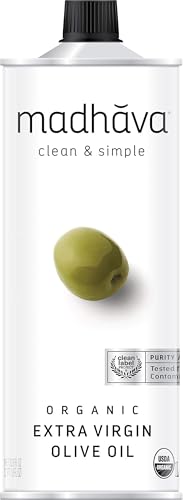
For the clearest direct evidence, look first at Laconiko Ultra Premium Greek EVOO, Madhava Organic Extra Virgin Olive Oil, Pompeian Organic Smooth EVOO, and Bertolli Rich Taste Extra Virgin Olive Oil. Laconiko and Pompeian provide especially direct verification language. Madhava states both USDA Organic and Non-GMO Project Verified status. Bertolli uses Non-GMO wording in its listing, although it is not presented with the same project-verification language.
Organic labeling is also useful category evidence, but the wording matters. OLIVIE PLUS 30X, Gundry MD Organic Moroccan Olive Oil, Atlas Organic Moroccan Olive Oil, Desert Miracle Organic Moroccan EVOO, Carapelli Organic Extra Virgin Olive Oil, and La Tourangelle Organic Extra Virgin Olive Oil are all described as organic. La Tourangelle goes further by stating certified organic, while Carapelli and Pompeian provide more specific certification wording. Compare the exact label on the bottle with the listing before relying on a certification distinction.
Cold-pressed or cold-extracted language appears across much of this group. La Tourangelle combines cold pressing with early-harvest Picual and Arbequina olives. Laconiko documents hand-picked Koroneiki olives and a specific 2025 harvest window. Madhava states cold extracted, while OLIVIE PLUS 30X and Atlas emphasize cold-pressed or single-press production.
These descriptions can help distinguish production styles, but they do not replace a sensory test. A listing that names an extraction method gives more usable specification information than one that simply calls the oil extra virgin. If production transparency is important, prioritize products with a stated method, origin, variety, or harvest period rather than relying on a broad quality adjective.
Consider origin and traceability
Single-origin or single-source descriptions make comparison easier. Madhava identifies Tunisia as its single source and says the oil is packed in Sicily. La Tourangelle names Spanish varieties, while Atlas and Desert Miracle provide Moroccan farm or regional context.
Carapelli and Bertolli are less specific about origin and cultivar in the supplied evidence. They may still fit a practical household role because their listings explain flavor, cooking use, or bottle design. Traceability is one criterion, not a universal requirement. A shopper seeking a named variety should focus on Laconiko or La Tourangelle; a shopper seeking a broad everyday profile may prefer the more general options.
Choose flavor for the way you eat
Flavor guidance is one of the most practical differences among the top gmo-free olive oils. Laconiko is described as grassy, herbal, fruity, and peppery. La Tourangelle is bright and peppery. Bertolli offers a rich taste, while Atlas lists almond, herb, banana, lemon, and basil notes. These profiles are better suited to finishing, bread dipping, dressings, or dishes where the oil remains noticeable.
Pompeian Organic Smooth EVOO is described as smooth and delicate and is specifically recommended for sautéing and stir-frying. Madhava is presented as versatile for cooking, baking, marinades, dressings, and dipping. Carapelli also has broad everyday guidance and a harmonious, balanced flavor. Gundry MD’s listing warns that its polyphenol-rich oil may taste more bitter and robust, so it is a less obvious fit for someone seeking a soft profile.
Bottle size affects how easily an oil fits into a cooking routine, but the supplied evidence does not establish how quickly any household will use it. Madhava’s 1-liter tin is the largest selected format and is aimed at regular kitchen use. Carapelli also comes in a 1-liter-class bottle. Laconiko, OLIVIE PLUS 30X, Gundry MD, and the other specialty oils use smaller formats that may suit finishing or occasional use.
Packaging details are most specification-aligned for Carapelli and Bertolli. Carapelli describes dark glass that protects against UV radiation and an anti-drip dispensing system. Bertolli also describes a dark bottle and storage away from heat and light. The remaining listings identify bottle or tin size but do not provide comparable storage claims. Regardless of format, keep the container tightly closed and follow the product’s label directions.
Use the evidence without overreading it
A specification-based comparison can identify documented differences in certification language, origin, extraction, flavor, and format. It cannot confirm freshness after delivery, personal taste, or cooking performance beyond the uses stated in a listing. Polyphenol figures should likewise be read as product information, not as a promise of a health outcome. OLIVIE PLUS 30X, Laconiko, and Gundry MD provide the most prominent polyphenol-related detail, but those figures do not make all other oils unsuitable.
For a mild everyday choice, Pompeian Organic Smooth EVOO, Carapelli, or Madhava offer the clearest practical-use descriptions. For a more assertive finishing style, consider Laconiko, La Tourangelle, or Atlas. For Moroccan origin and high-polyphenol positioning, OLIVIE PLUS 30X, Gundry MD, and Desert Miracle document the most relevant details. Always compare the current package label with the listing because the evidence here is limited to the supplied public product data.
Final Recommendation
Madhava Organic Extra Virgin Olive Oil ranks first overall in this specification-based comparison under the published weighted criteria.
Laconiko Ultra Premium Greek EVOO is the first overall specification-based choice among the selected products because it combines direct GMO Free certification with unusually detailed origin, variety, harvest, acidity, phenolic, and tasting information. Madhava is the practical large-format alternative, with single-source Tunisian oil, cold extraction, organic and non-GMO documentation, and broad kitchen guidance. Pompeian Organic Smooth EVOO is the clearest mild-flavor option, while La Tourangelle is the better fit for shoppers who want named Spanish varieties and a bright peppery profile. Together, these top gmo-free olive oils cover distinct priorities without treating one flavor or format as universal. The best gmo-free olive oils for your kitchen will depend on whether certification clarity, traceability, flavor intensity, or storage design matters most.
Frequently Asked Questions
What evidence supports the best gmo-free olive oils in this comparison?
The comparison uses supplied product titles, feature statements, and technical specifications. Direct Non-GMO Project verification appears in listings such as Laconiko, Madhava, and Pompeian Organic Smooth EVOO. Several other selected products are described as organic, while Bertolli uses direct Non-GMO wording. The article does not infer additional certifications beyond those statements.
Laconiko provides the most complete combination of origin and variety information: it is described as a Greek oil made with 100% Koroneiki olives and includes a stated harvest window. Madhava identifies Tunisia as a single source. OLIVIE PLUS 30X identifies single-farm Moroccan sourcing, and La Tourangelle names Spanish Picual and Arbequina olives.
Which product is suited to a milder flavor?
Pompeian Organic Smooth EVOO is the clearest match because its listing describes a smooth, delicate taste and recommends it for sautéing and stir-frying. Carapelli is also described as harmonious and balanced. By contrast, Laconiko and La Tourangelle are described with peppery notes, and Gundry MD may taste more bitter and robust.
Are these oils interchangeable for every cooking method?
The listings provide different use guidance, so they should not be treated as identical. Madhava and Carapelli are described for broad everyday uses. Pompeian emphasizes sautéing and stir-frying. Bertolli lists cooking and grilling and provides a stated smoke point. Laconiko and La Tourangelle include finishing-oriented uses or pronounced flavor notes. Follow the product label for the intended application.
Which bottles include specific storage or dispensing features?
Carapelli documents dark glass intended to protect against UV radiation and an anti-drip system. Bertolli describes a dark bottle and recommends keeping it capped and away from heat and light. The other selected listings provide size or format information but do not state comparable storage features.