Buying Guide
Finding the best usda organic olive oils starts with understanding what the label actually promises. USDA organic certification confirms the olives were grown without synthetic pesticides or fertilizers, but it does not by itself guarantee flavor, freshness, or antioxidant content. The extra virgin designation adds a chemical threshold for free fatty acidity and peroxide values, and cold extraction preserves the volatile aromatics that give olive oil its character. When you combine all three, you get a clear baseline for evaluating the best usda organic olive oils in any lineup.
Origin and Olive Variety
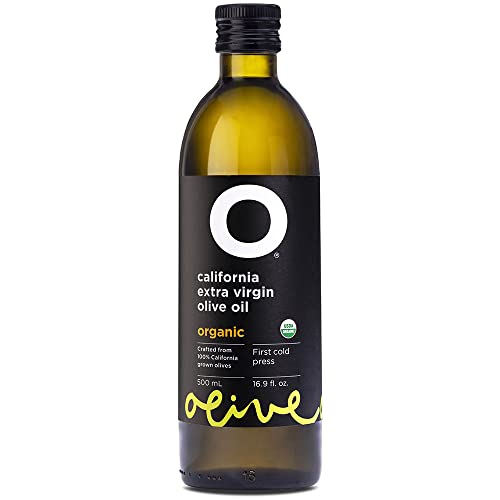
Single-origin bottles tend to deliver more consistent flavor than blended oils, and the cultivar shapes the taste in recognizable ways. Koroneiki olives from Greece typically produce a grassy, peppery profile, while Arbequina and Arbosana bring softer almond and apple notes. Italian Coratina and Tunisian Chetoui are often associated with higher polyphenol content and a more pronounced bitter finish. Among the bottles here, the P.J. KABOS Family Reserve Organic Robust highlights a Koroneiki and Olympia blend, the O California Organic EVOO blends Arbosana, Koroneiki, and Arbequina, and the FIRMA Signature uses a single Chetoui variety from Tunisia.
Extraction Method and Freshness
Cold extraction or first cold pressing keeps temperatures low enough to retain polyphenols and aroma compounds. Look for a stated harvest year, because olive oil begins to lose freshness within months of bottling. The P.J. KABOS Phenolic Shot documents a 2025/26 harvest and the FIRMA Signature lists the same window, which signals recent production. Packaging also matters; dark or UV-protectant glass helps slow oxidation, and the FIRMA Signature uses UV-protectant glass while the Anna and Sarah Mediterranean Organic EVOO uses a reusable 500 mL glass jar.
Polyphenol and Antioxidant Focus
Polyphenols are the antioxidant compounds tied to the bitter, peppery finish in quality extra virgin olive oil. Several bottles here go further by stating measured polyphenol concentrations. The P.J. KABOS Phenolic Shot lists 900+ mg/kg verified by HPLC and NMR, the FIRMA Signature lists 1000+ mg/kg, the P.J. KABOS Robust lists 699 mg/kg, and the Kasandrinos Organic Greek EVOO states 5.5 mg per tablespoon. These are specifications, not taste claims, so they help compare antioxidant density across the best usda organic olive oils.
Flavor Profile and Intended Use
Match the bottle to how you cook. Mild oils like the Kasandrinos Organic Greek EVOO work well for dressings, dips, and finishing delicate vegetables, while robust options like the P.J. KABOS Family Reserve Organic Robust suit grilled meats and assertive greens. The Bono Organic Sicilian PDO EVOO is positioned for Mediterranean finishing and bread dipping, and the Bragg Organic Greek Koroneiki EVOO is documented for sautéing, drizzling, and sauces.
Most bottles here are 16.9 fl oz, which is a flexible everyday size. The Bragg Organic Greek Koroneiki EVOO comes in a larger 32 fl oz format for frequent cooking, and the Atlas Organic Moroccan High Polyphenol EVOO is offered in 750 mL. Households that cook daily may prefer the larger format, while smaller kitchens and occasional users may prefer the standard 500 mL bottle.
Final Recommendation
FIRMA Signature Tunisian Chetoui Organic EVOO ranks first overall in this specification-based comparison under the published weighted criteria.
The final choice among the best usda organic olive oils depends on the documented features that match your intended use.
Among the top usda organic olive oils compared here, the Bono Organic Sicilian PDO EVOO is the first overall specification-based choice, pairing USDA organic certification with Val di Mazara PDO status, cold extraction, and an independent Clean Label Project Purity Award. For shoppers prioritizing measurable polyphenol density, the P.J. KABOS Phenolic Shot Organic Greek EVOO and the FIRMA Signature Tunisian Chetoui Organic EVOO stand out with documented HPLC or stated phenolic concentrations above 900 mg/kg. For everyday versatility, the Bragg Organic Greek Koroneiki EVOO offers a 32 fl oz format and IOC-standard quality, while the O California Organic EVOO delivers a bright, three-cultivar California profile. Together, these bottles cover the main reasons people seek out the top usda organic olive oils: clear origin, certified organic farming, cold extraction, and flavor suited to the dish at hand.
Frequently Asked Questions
What makes an olive oil USDA organic?
USDA organic olive oil must be produced from olives grown without synthetic pesticides, herbicides, or fertilizers, and processed without prohibited additives. Every bottle in this guide, including the Bono Organic Sicilian PDO EVOO and the Bragg Organic Greek Koroneiki EVOO, carries that certification.
Cold extraction or first cold pressing keeps temperatures low during milling, which helps retain volatile aromatics and natural polyphenols. The P.J. KABOS Phenolic Shot, FIRMA Signature, and Atlas Organic Moroccan EVOO all document cold pressing or cold extraction on their listings.
Are higher polyphenol counts always better?
Higher stated polyphenol concentrations indicate more antioxidant density, but they also produce a more bitter, pungent flavor. Options like the Kasandrinos Organic Greek EVOO or the O California Organic EVOO offer moderate polyphenol content with milder taste, which some cooks prefer.
Which olive oil is best for finishing dishes?
Mild to medium bottles like the O California Organic EVOO and the Kasandrinos Organic Greek EVOO suit finishing delicate dishes, while robust bottles like the P.J. KABOS Family Reserve Organic Robust pair well with grilled vegetables and hearty salads.
How should USDA organic olive oil be stored?
Store bottles away from heat and direct light, ideally in a dark cabinet. Oils packaged in UV-protectant glass, such as the FIRMA Signature Tunisian Chetoui Organic EVOO, are designed to limit light exposure, but cool storage still helps preserve freshness over time.