Buying Guide
Hanging birdhouses let you turn a fence post, shepherd hook, or tree branch into a nesting spot for small songbirds, but the differences between models are more than decorative. The best hanging birdhouses share a handful of practical traits: weather-ready materials, an entrance sized for your target species, and a way to clean the box out between seasons. This guide walks through the specification points that matter most when comparing top hanging birdhouses side by side.
Match the entrance to the species you want to attract
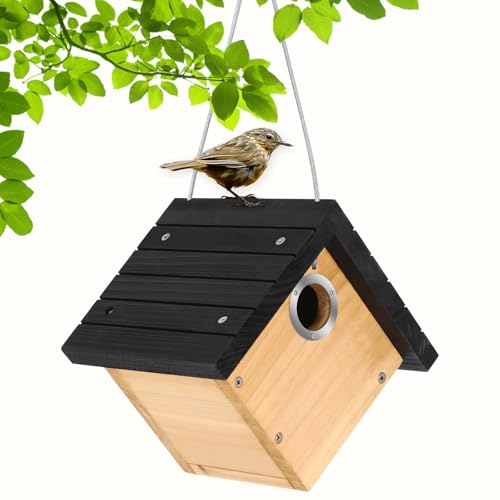
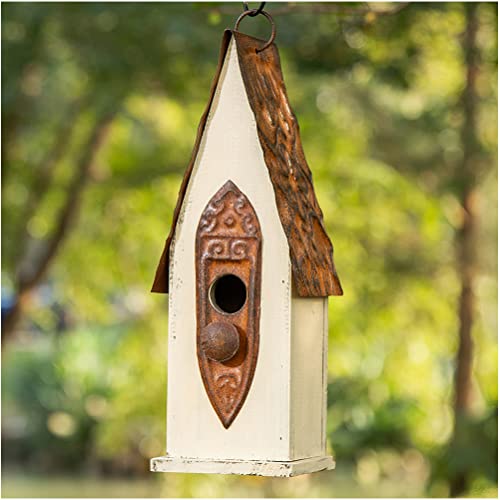
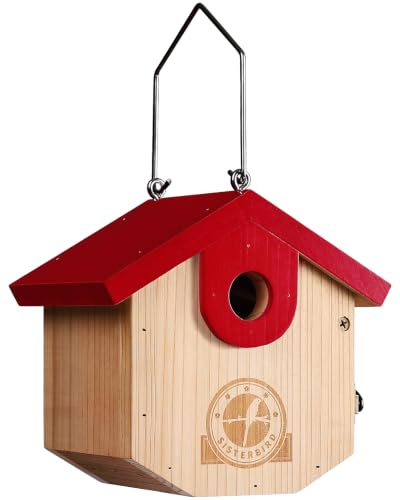
Entrance diameter is the single most important number on any hanging birdhouse. Boxes with a 1-1/8-inch opening, such as the Gtongoko and MOSOTUDU wren houses, are built specifically for wrens and Carolina wrens and tend to discourage larger competitors. A 1.18-inch entry, like the Glitzhome 9.7-inch distressed cottage, fits wrens and chickadees but stays small for bluebirds. Mid-sized 1.5-to-1.57-inch openings on the Auslar cedar, Auslar perch, and STARSWR teardrop models cover bluebirds, tree swallows, and fledglings, while the BXYEE and VOPHICHO three-chamber designs use around 1.6 to 1.7 inches for slightly larger cavity nesters. Choosing the right size keeps aggressive birds out and matches the nesting behavior of the species you hope to host.
Compare materials and weather resistance
Cedar is the most common material in this category because it handles rain, sun, and snow without rot. The Auslar cedar hanging birdhouse, Auslar perch model, BXYEE, and VOPHICHO all use cedar, with the BXYEE and VOPHICHO adding high-temperature carbonization for extra waterproofing. Pine, used in the MOSOTUDU wren house, is light and easy to work with but may weather faster in full sun without sealing.
Look for ventilation and cleaning access
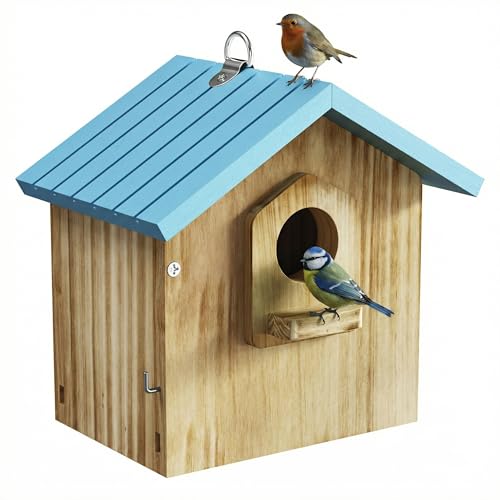
Any birdhouse needs airflow during nesting season and a way to clear out old material afterward. Swivel or hinged back doors, removable bottom panels, side clean-out doors, and dedicated ventilation holes all show up across the category. The Auslar perch cedar birdhouse pairs a clean-out side door with a removable bottom panel and drain vent, while the MOSOTUDU wren house combines roof slant drainage, floor holes, vents, and a latched clean-out door. The Glitzhome three-tier decorative designs lean more toward garden ornament, so documented ventilation and cleaning access is thinner there.
Predator and fledgling safety details
Entrance size is your first line of defense, but metal guards take it further. The Gtongoko wren house and MOSOTUDU wren house both document reinforced metal predator guards or entry rings to keep squirrels and larger birds from enlarging the hole. If your site has heavy squirrel traffic, prioritize a documented metal guard and a deeper interior rather than a thin wall.
Mounting flexibility and placement
Hanging models need a reliable anchor. Pre-installed metal hooks, included steel wire loops, or strong hemp ropes all show up in the category and suit different placements. The MOSOTUDU wren house uses an adjustable heavy-duty steel wire loop for thick branches, the STARSWR teardrop relies on a strong hemp rope, and the BXYEE and VOPHICHO include both mounting hardware and a top rope. Some cedar boxes, including the Auslar hanging birdhouse and Auslar perch model, also document rear screw holes so you can mount them on fences or walls when a hanging point is not available.
Decide between single-cavity and multi-chamber layouts
Single-cavity boxes like the Auslar cedar, Auslar perch, Glitzhome 9.7-inch, and STARSWR teardrop focus on one nesting pair, which can mean stronger species targeting. Multi-chamber designs such as the BXYEE and VOPHICHO three-chamber cedar houses host several families at once, making them a fit for larger yards or trail-style placement. The Glitzhome three-tier 13.75-inch and 13.25-inch decorative birdhouses add vertical visual interest but document less about species-specific fit, so they lean toward ornament with a nest-box function on the side.
Final recommendation
MOSOTUDU Pine Wren Birdhouse ranks first overall in this specification-based comparison under the published weighted criteria.
The final choice among the best hanging birdhouses depends on the documented features that match your intended use.
The Auslar Cedar Perch Birdhouse stands out as the first overall specification-based choice thanks to its cedar body, widened roof, integrated perch, metal predator guard, and dual hanging or screw-mount installation. For wren-focused yards, the MOSOTUDU Pine Wren Birdhouse is the most specification-aligned pick with its reinforced metal entry ring, adjustable steel wire loop, and documented drainage design. Larger gardens that want to host several small families at once get the most from the BXYEE Three-Chamber Cedar Birdhouse, while the VOPHICHO Three-Chamber Cedar Birdhouse offers similar multi-family capacity with high-temperature charred cedar. Together these models cover the top hanging birdhouses that anchor the rest of this comparison.
Frequently Asked Questions
What entrance size should I look for in the best hanging birdhouses?
A 1-1/8-inch opening suits wrens, a 1.18-inch opening fits chickadees and small wrens, and a 1.5-to-1.57-inch opening welcomes bluebirds, tree swallows, and fledglings. Choosing a box whose entrance matches your target species is the easiest way to keep aggressive birds out.
Which material lasts longest outdoors?
Carbonized cedar and treated cedar hold up well against rain and sun, while resin birdhouses are waterproof and fade-resistant for humid climates. Pine is lighter and easier to hang but may weather faster in direct sun, and hand-woven grass nests work best as seasonal shelters.
How do I clean a hanging birdhouse between seasons?
Look for a hinged back door, side clean-out door, or removable bottom panel. Boxes like the Auslar perch cedar birdhouse and MOSOTUDU wren house document accessible clean-out doors, while the BXYEE and VOPHICHO three-chamber cedar birdhouses use a rear cleaning door for the same purpose.
Are hanging birdhouses safe from predators?
Entrance size is the first defense, and reinforced metal guards on models like the Gtongoko and MOSOTUDU wren houses add a second layer. Interior climbing grooves also help fledglings reach the exit safely as they mature.
Can I hang these birdhouses on a shepherd hook or fence post?
Yes. Models with pre-installed metal hooks, steel wire loops, or included hemp ropes are designed for hanging on shepherd hooks, fence posts, and tree branches. Boxes that also include rear screw holes, such as the Auslar cedar birdhouse and Auslar perch model, can be mounted directly on fences or walls when a hanging point is not available.