Buying Guide
Finding the best wood birdhouses for your yard starts with understanding that wood is the standard material for cavity-nesting birds because it breathes, insulates, and gives feet something to grip. The models below range from conservation-style nesting boxes to decorative cottage designs, but they all share a wooden core that helps fledglings thrive through temperature swings and seasonal humidity.
Match the House to the Bird Species
The first decision when picking from top wood birdhouses is which species you want to attract, because entrance diameter and interior depth vary widely:
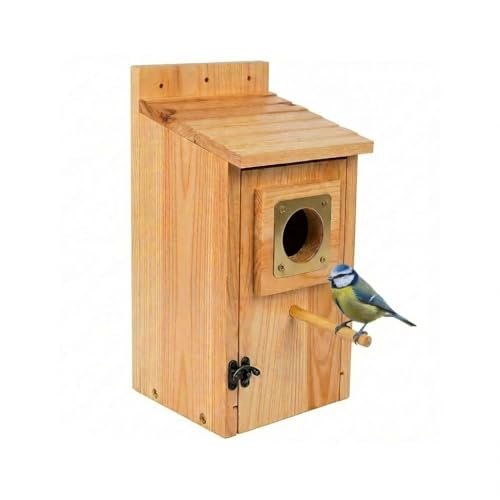
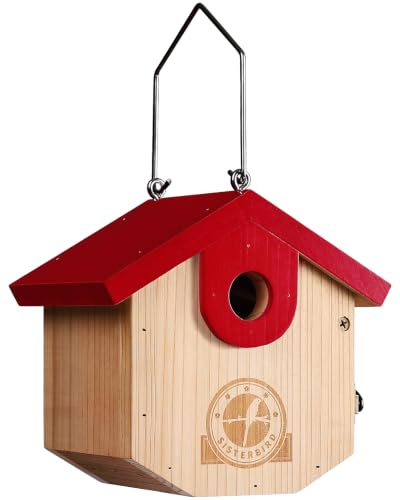
- Bluebirds, tree swallows, and chickadees generally prefer roughly 1.5-inch entrance holes in a box about 5 by 5 by 10 to 12 inches tall, like the KraAra Pine Bird House and the SISTERBIRD cedar two-pack.
- Wrens and finches often use smaller entries around 1.125 to 1.25 inches, which is why cottage-style houses such as the Glitzhome 12-Inch Washed White Distressed Cottage can host them.
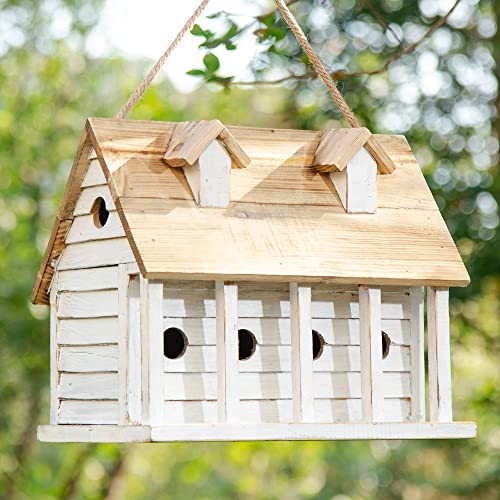
- Communal species like purple martins favor multi-hole communal houses with a shared interior, which is the design focus of the Sornadeluvrix 4-Hole Cedar Birdhouse with Feeding Tray.
Matching entrance size to the target bird keeps larger non-target species from evicting smaller residents and reduces predation risk.
Wood Type and Weather Resistance
Most of the best wood birdhouses use either cedar or pine because both resist rot better than softwoods like basswood:
- Eastern red cedar, used in the Pennington Pride Eastern Red Cedar Birdhouse, contains natural oils that resist insects and decay without chemical treatment.
- Carbonized or kiln-dried cedar, as in the BXYEE 3-Chamber Cedar Outdoor Birdhouse and OceeK Cedar Swallow and Wren DIY Birdhouse, offers extra surface protection but may still benefit from a breathable exterior finish in wet climates.
- Untreated pine is widely used in entry-level boxes, and its rough interior surface gives fledglings a foothold when exiting the box.
A rough interior matters more than many buyers realize. Smooth or painted interior walls can prevent young birds from climbing up to the entrance, so the Wild Wings WWCH3 Cedar Bluebird Box documents interior grooves for exactly this reason.
Predator Protection and Safety
Predator pressure is a leading cause of nesting failure, so the best wood birdhouses address it in several ways:
- Metal predator guards around the entrance hole, as featured on the KraAra Pine Bird House and the SISTERBIRD cedar two-pack, deter squirrels and larger birds.
- Recessed or extended entry tunnels, documented on the Wild Wings WWCH3, make it harder for raccoons to reach inside.
- Mounting design matters too. Smooth metal poles or baffles below the box help, and houses that include their own hardware, such as the BXYEE 3-Chamber Cedar Outdoor Birdhouse or the Pennington Pride, simplify that part of the install.
For any wood birdhouse, avoid treating the interior with strong preservatives, since fumes can harm chicks. Outside surfaces are a different story and can be sealed if the wood is unfinished.
Ventilation, Drainage, and Cleanout
A cavity nest can overheat or flood if a box is sealed too tightly. Strong entries in the best wood birdhouses list document these features explicitly:
- Air vents and floor drainage openings are confirmed on the Pennington Pride and Wild Wings WWCH3.
- Front-opening cleanout doors appear on the KraAra, SISTERBIRD, BXYEE, and OceeK designs.
Cleanout access is critical for reuse across seasons. Nest material from prior broods can harbor parasites, so a door large enough to wipe out the interior saves time and improves chick survival.
Mounting and Placement Flexibility
Most of the wood birdhouses offer at least one of three placement styles:
- Mounting on a pole or post with included hardware, which suits trail-style boxes like the KraAra and SISTERBIRD packs.
- Dual hanging or surface mounting, as supported by the BXYEE 3-Chamber Cedar Outdoor Birdhouse with both rear and top hooks.
Placement height, sun exposure, and orientation all affect nesting success. A general rule is to face entries away from prevailing wind and toward a clear flight path, and to keep boxes roughly 5 to 15 feet off the ground depending on species.
Decorative Versus Functional Designs
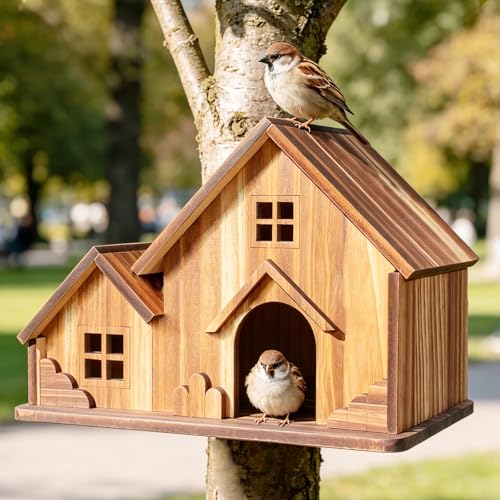
Some of the best wood birdhouses lean heavily into cottage or garden decor, and that is a legitimate choice if the box still meets nesting needs. The Glitzhome distressed cottages and the BlueYu hanging house show how a solid-wood construction with weather-resistant finish can serve both roles. The trade-off is that purely decorative models may have undersized entries or limited cleanout, so verify those features before treating a decor piece as a functional nest site.
Final Recommendation
SISTERBIRD 2-Pack Cedar Bluebird Houses with Copper Guard ranks first overall in this specification-based comparison under the published weighted criteria.
The Glitzhome 14.25-Inch Oversized Distressed Cottage earns the first overall specification-based choice among the top wood birdhouses reviewed here, because its solid-wood and metal construction, four-room interior layout, and removable back cleanout panel combine decorative presence with documented multi-bird capacity. For pure conservation-style nesting, the KraAra Pine Bird House with Copper Predator Guard is one of the most field-ready cavity boxes, with the Wild Wings WWCH3 close behind for its engineered airflow and drainage. For multi-pair and communal setups, the BXYEE 3-Chamber Cedar Outdoor Birdhouse and Sornadeluvrix 4-Hole Cedar Birdhouse with Feeding Tray deliver broad habitat coverage, while the Glitzhome 12-Inch Washed White Distressed Cottage and Pennington Pride Eastern Red Cedar Birdhouse round out the list among the best wood birdhouses for buyers prioritizing cottage styling and natural cedar durability, respectively.
Frequently Asked Questions
What size entrance hole should I look for in the best wood birdhouses?
For bluebirds, chickadees, and tree swallows, a roughly 1.5-inch hole is the standard recommendation in the wood birdhouses, while wrens and finches do well with slightly smaller openings. Boxes with larger or unspecified entries may admit starlings or house sparrows, which can outcompete native cavity nesters.
Is cedar or pine better for outdoor birdhouses?
Both are common choices among the wood birdhouses. Cedar offers natural rot and insect resistance with minimal treatment, while untreated pine is widely used and provides a rougher interior surface that helps fledglings climb. Pine boxes generally benefit from a breathable exterior sealant in wet climates.
Do I need a predator guard on a wooden birdhouse?
A metal predator guard around the entrance is one of the most specification-aligned features found in the wood birdhouses because it deters squirrels, raccoons, and larger birds. If a listing does not mention a guard, mounting the box on a smooth metal pole with a baffle below is another option.
How often should I clean a wood birdhouse?
Most of the wood birdhouses include a cleanout door or panel, and they should be emptied once per brood and again at season end. Removing old nesting material reduces parasites and gives the next brood a healthier start.
Should I paint or seal the outside of a wooden birdhouse?
A breathable, non-toxic exterior finish can extend the life of wood birdhouses, especially unfinished pine kits like the OceeK DIY model. Avoid sealing or painting the interior, where fumes can harm chicks, and choose light colors if you paint, since dark colors can overheat the cavity in direct sun.