Buying Guide
The best heavy duty plant support garden stakes combine a strong core with weatherproof protection and a length matched to your crops. Use the sections below to focus on the specifications that drive real-world performance across the FORUP, FEED GARDEN, Xiny Tool, BOTINDO, Xuwzenkl, Growsun, TINGYUAN, Hdeoops, K-Brands, and Gbekery selections in this comparison.
Core Strength and Wall Thickness
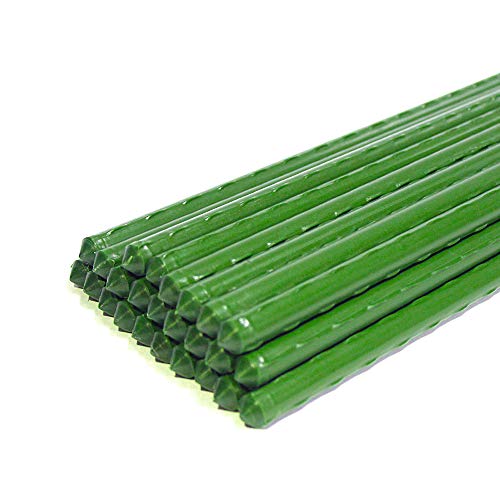
A steel core is the foundation of any heavy-duty stake. Hollow steel tubes balance weight and rigidity, while solid rebar maximizes bending resistance. Wall thickness and outer diameter both influence how much load a stake can carry before flexing under a heavy plant canopy. The FEED GARDEN 57-inch stakes document a thicker pipe wall and a 0.52-inch outer diameter for the heaviest straight-stake shaft in the comparison, while the FORUP 58-inch stakes pair a hollow steel core with a documented extra-thick coating that supports the same load goal. The Gbekery rebar stakes step outside the hollow-tube format with solid steel construction, which trades vertical reach for maximum bending resistance at the anchor level.
For tomatoes and pole beans that put weight on a single shaft, look for stakes that explicitly describe wall thickness, diameter, or solid-steel construction. A thinner-walled stake can still hold a lighter pepper plant, but it may flex when a fully loaded indeterminate tomato leans into summer wind. Choosing the right core strength up front avoids mid-season reinforcement work and keeps ties from slipping sideways when the shaft bows.
Weather and Rust Protection
Outdoor stakes face rain, frost, sun, and soil acids through multiple seasons. Plastic coating, powder coating, and spray paint each address rust differently, and the documentation around them varies by product. Look for described UV resistance, water resistance, and multi-season use language when comparing options. The Hdeoops 48-inch stakes call out a PP and PE mixed coat aimed at UV exposure, while the K-Brands half-round supports document a powder-coated steel core intended for long-term rust resistance around bushy clumps.
The FORUP stakes describe an extra-thick green plastic coating for rust and crack resistance, and the Xiny Tool 58-inch stakes use a straightforward plastic coat over the steel core for the same purpose. The BOTINDO 48-inch stakes mention a non-fading green coat that resists sun, frost, and rain. The Gbekery rebar uses black spray paint that protects the solid steel but may show wear over repeated seasons, so plan to inspect those anchors if they stay outside year-round.
Length and Vertical Reach
Stake length determines which plants a stake can support without crowding the canopy or forcing the gardener to tie at awkward heights. The mid-range 48-inch options in this comparison include the BOTINDO, Xuwzenkl, TINGYUAN, and Hdeoops sets, all of which suit determinate tomatoes, peppers, eggplants, and bushy ornamentals. The 57- to 58-inch range from the FORUP, FEED GARDEN, and Xiny Tool selections handles indeterminate tomatoes, climbing beans, and small trellis structures with extra overhead.
The Growsun 6ft stakes reach highest in the comparison at 72 inches, which makes them the natural fit for tall vines, vineyard canes, and tall netting frames. At the other end of the scale, the Gbekery 16-inch rebar stakes function as anchors rather than vertical supports, so they are best reserved for short plant bases, timber edges, or tent anchoring where height is not the goal. Matching stake length to expected mature plant height prevents the common issue of staking too late and damaging established roots.
Grip and Tying Design
Surface texture affects how well twine, tape, and plant ties stay in place as plants sway and grow. Ridged shafts, knobby surfaces, spiral patterns, and notches each create defined tie retention points along the stake. The BOTINDO 48-inch stakes document full-length ridges designed for climber grip, and the FEED GARDEN 57-inch stakes add a spiral exterior pattern that gives twine a clear channel. The TINGYUAN 48-inch stakes stand out for notches along the shaft, which set consistent tie heights for repeat use across multiple plants.
The Hdeoops 48-inch stakes describe a knobby surface that helps during handling and training, while the FORUP 58-inch stakes add full-length anti-slip ridges for ties and tape. The Xiny Tool 58-inch stakes and Xuwzenkl 48-inch stakes offer a smoother or mildly textured coat respectively, which can still work for light crops but may need extra tie wraps on vigorous climbers. Choosing a textured shaft reduces the need to re-tie plants after every wind event.
Installation Features
Pointed tips, flat heads, chisel points, and laser-cut profiles all change how a stake enters the ground. Sharpened one-sided points help in soft soil, while flat heads accept hammer strikes for firmer ground. The FORUP stakes combine a 60-degree laser-cut tip with a reinforced flat hammer head, and the Gbekery rebar stakes use a 45-degree chisel point with a flat top engineered for repeated hammer driving. The Xuwzenkl 48-inch stakes also document a flat head suitable for light hammering after the initial push-in.
The BOTINDO stakes sharpen one side for easier push placement and recommend pre-wetting or hammer use in harder ground, while the TINGYUAN stakes suggest moistening the soil or using a lightweight plastic hammer for tougher spots. The Hdeoops stakes document a pointed end for deeper insertion plus a flat end for light pounding. Planning installation method around soil type prevents bent stakes at the start of the season.
Pack Quantity and Coverage
Pack size affects how many rows or beds a single purchase can support without buying a second set. Twenty-five-packs such as the FORUP, FEED GARDEN, Xiny Tool, BOTINDO, Xuwzenkl, and TINGYUAN selections cover mid-size gardens with a comfortable buffer for replacement stakes. The Hdeoops 20-pack fits a similar footprint with slightly fewer stakes, while the K-Brands 12-pack targets individual flower clumps rather than row crops.
The Growsun 50-pack handles extensive plantings or replacement stock for large tomato and cucumber beds, and the Gbekery 16-pack supports anchor layouts where multiple tie-down points are needed. Choosing the right pack size depends on bed count, expected replants, and whether you want spare stakes on hand for broken or bent pieces discovered mid-season.
Final Recommendation
FORUP 58-Inch Heavy Duty Garden Stakes (25 Pack) ranks first overall in this specification-based comparison under the published weighted criteria.
The final choice among the best heavy duty plant support garden stakes depends on the documented features that match your intended use.
Across every specification compared, the FORUP 58-Inch Heavy Duty Garden Stakes lead the top heavy duty plant support garden stakes lineup. Their documented combination of a thickened rustproof coating, full-length anti-slip ridges, a laser-cut 60-degree tip, and a flat hammer-ready head delivers the most balanced specification profile for both tomatoes and vigorous vines. If you need the tallest reach in the field, the Growsun 6ft Tomato Stakes extend coverage further, while the FEED GARDEN 57-Inch Spiral-Grip Stakes provide the thickest documented shaft in the straight-stake group. The K-Brands Half-Round Plant Support Stakes add a ring-cage design type that complements straight stakes for bushy flower clumps, and the Gbekery 16-Inch Heavy Duty Rebar Stakes supply a solid-steel anchor option for non-vertical layouts.
Frequently Asked Questions
What stake length works for indeterminate tomatoes?
Indeterminate tomatoes typically need stakes between 57 and 72 inches to keep vines off the ground through harvest. The FORUP 58-Inch and Growsun 6ft selections cover this range, while the 48-inch options in the comparison suit determinate or mid-height varieties. Choosing a slightly longer stake than you think you need is safer than staking too low and watching vines flop mid-season.
Are plastic-coated stakes better than bare steel for long-term use?
Plastic-coated stakes resist rust and staining and blend with foliage better than bare metal. Coatings do not replace the underlying steel core, so wall thickness and diameter still drive load capacity. The FORUP, BOTINDO, Xiny Tool, and Xuwzenkl selections all document plastic coats, while the Hdeoops set specifies a PP and PE mixed coat for additional UV protection.
How do ridged stakes help climbing plants?
Ridges give twine, tape, and stems defined channels to grip as the plant sways. Stakes like the BOTINDO 48-Inch set document full-length ridges specifically for climber retention, and the FORUP 58-Inch set describes the same full-length anti-slip ridges for ties. Ridges also reduce tie slippage when summer winds push the canopy sideways.
What is the difference between a straight stake and a half-round support?
Straight stakes train vertical growth along a single shaft, while half-round supports like the K-Brands set cradle bushy clumps from the sides. The half-round design lets you link multiple pieces into circles or rows around hydrangeas, peonies, and similar shrubs. Many gardens use both designs together: straight stakes for climbing vegetables and half-round supports for flower borders.
Can rebar stakes be used for plant support at all?
The Gbekery 16-Inch rebar stakes function as short ground anchors rather than tall climbing supports. They are best for anchoring the base of young trees, securing the edges of raised beds, or driving through netting into firm soil. For vertical vine training, pair them with one of the longer straight-stake selections rather than relying on the rebar alone.
Which design is most useful for the best heavy duty plant support garden stakes?
A steel core with a thick weatherproof coating and a ridged or notched shaft is the most versatile specification base across this comparison. Pair that with the longest length your plants need, and you cover most vegetables and flowering vines. The FORUP selection illustrates that combination well, while the Growsun set extends the same idea to the tallest reach in the field.