Buying Guide
Finding the best heavy duty weight lifting belts comes down to matching construction, thickness, and closure type to the way you actually train. A belt that feels great on warm-ups can feel completely different under a true one-rep max, so the right pick depends on the movements you favor and how often you compete.
Understanding Belt Thickness
Belt thickness is the single largest driver of how a heavy duty belt feels under load. Most belts in this category fall into three thickness tiers:
- 5mm to 6mm leather: lighter, easier to break in, and more flexible for hybrid training that mixes squats, deadlifts, and accessory work.
- 7mm leather: a middle ground that still tapers well around the hips while providing meaningful bracing for heavy compound lifts.
- 10mm leather: the rigid end of the spectrum, common on competition powerlifting belts and the best heavy duty weight lifting belts built for max-effort pulls.
Thicker belts give more intra-abdominal pressure, but they also take longer to break in and can dig into the ribs and hips if the profile is not tapered. Thinner belts are more forgiving but may not provide the rigid wall that some lifters expect from the top heavy duty weight lifting belts used in raw powerlifting.
Leather Versus Nylon Construction
Most of the best heavy duty weight lifting belts in this roundup are built around genuine leather, either as a single cut or laminated layers. Leather delivers consistent thickness and a rigid back panel that resists folding under load. Nylon options trade some rigidity for flexibility, lighter carry weight, and easier folding into a gym bag, which is useful in functional fitness and CrossFit-style sessions.
If your training is centered on squats, deadlifts, and bench press in a traditional gym setting, a leather belt is usually the better match. If you move quickly between barbell, gymnastics, and conditioning work, a self-locking nylon belt may be a more practical option.
Closure Systems: Lever, Prong, and Self-Locking
The closure system changes how a belt behaves in real training:
- Lever buckles tighten once and release in under a second, which is helpful when you want the same tightness for every set.
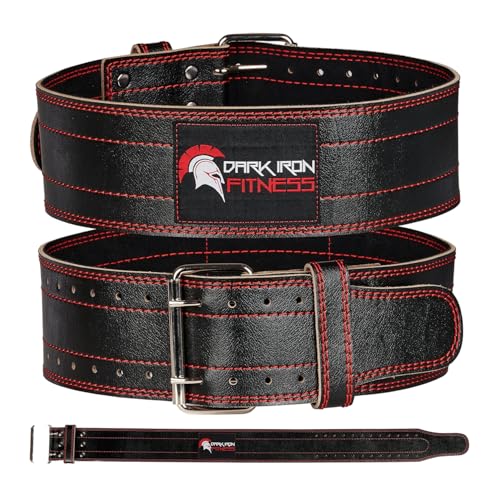
- Double-prong buckles allow finer adjustment across multiple holes, useful when lifts or body composition change week to week.
- Self-locking buckles combine prong-style security with a quick release, which suits mixed sessions where the belt comes on and off often.
For serious powerlifters, lever belts are often considered the most consistent. For general strength training, double-prong belts offer the best balance of security and adjustability.
The back panel of the best heavy duty weight lifting belts is typically either uniform 4 inches or tapered. Tapered belts narrow toward the front, reducing side pressure during deadlifts and making it easier to reach the hips on Olympic lifts. Uniform-width belts give an even wall around the entire midsection, which can feel more stable during squats and bench work. Lifters who switch between movements often prefer tapered belts for the comfort on the hips.
Sizing and Fit
Accurate sizing matters more than thickness on a heavy duty belt. Most brands specify measuring around the belly button with a flexible tape rather than by pants size. Sizing ranges from XS to XXL also matter for athletes at the smaller or larger ends of the spectrum.
Federation Approval and Competition Use
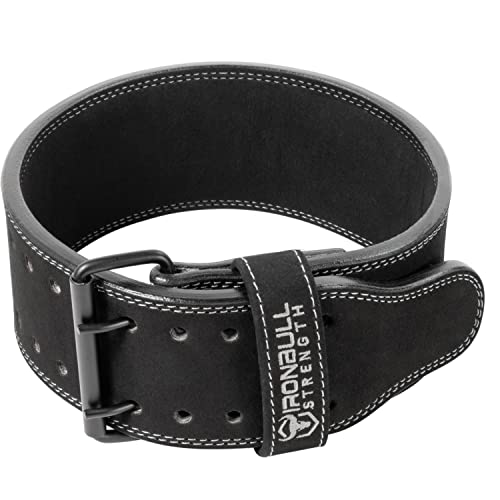
If you compete, federation approval should drive your choice. Several belts in this list are documented as approved for IPF, USPA, USAPL, IPL, USAW, and similar bodies. IPF approval in particular is well documented on the 10mm Iron Bull belt. Olympic weightlifters should look for IWF-compliant width standards, which appear on belts such as the Harbinger padded model.
Matching the Belt to Your Training Style
A squat-dominant lifter benefits most from a rigid 10mm leather belt with a strong lever or double-prong closure. A deadlift-focused lifter often prefers a tapered belt to relieve hip pressure while still bracing the spine. A CrossFit or functional fitness athlete usually prefers a self-locking nylon belt for fast transitions. A general strength trainee who wants one belt for everything often lands on a 7mm tapered leather design as the most versatile option.
Final Recommendation
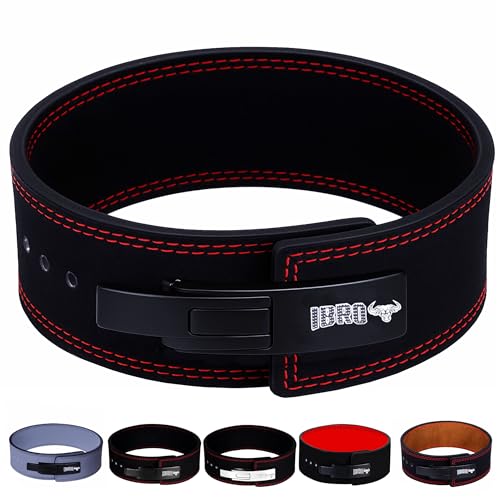
IBRO Powerlifting Lever Belt, 10mm Leather ranks first overall in this specification-based comparison under the published weighted criteria.
For lifters choosing among the best heavy duty weight lifting belts in 2026, the IBRO Powerlifting Lever Belt stands out as the first overall specification-based choice thanks to its 10mm single-piece leather, steel lever buckle, and 4-inch back panel designed for heavy squats and deadlifts. Together, these three represent the most well-rounded heavy duty belts in this category and a solid starting point when comparing the top heavy duty weight lifting belts on the market.
Frequently Asked Questions
What thickness is best for the best heavy duty weight lifting belts?
For pure powerlifting, 10mm leather is the most rigid choice and is used on most of the heavy duty weight lifting belts built for competition. For hybrid training or beginners, a 6mm or 7mm leather belt is easier to break in while still providing meaningful support.
Should I choose a lever buckle or a double-prong buckle on heavy duty belts?
Lever buckles are faster to release and lock at the same tightness for every set, which suits max-effort work. Double-prong buckles allow finer adjustments across multiple holes, which is helpful when body weight or lift intensity changes week to week. Both designs appear on the best heavy duty weight lifting belts in this roundup.
Are nylon belts acceptable for heavy lifting?
Nylon belts can support heavy lifts when paired with a rigid self-locking buckle and a uniform 4-inch profile. They are generally less rigid than 10mm leather, so they may feel less supportive on maximal pulls, but they are widely used in CrossFit and functional fitness because they are lighter and faster to remove.
How do I pick the right size heavy duty lifting belt?
Measure around your belly button with a flexible tape while standing relaxed, and use that number against the brand’s size chart rather than your pants size. Belts with more holes give finer fit tuning, and ranges that span XS through XXL help when multiple athletes share the same belt.
Do I need federation approval on a heavy duty belt?
Federation approval matters only if you plan to compete in sanctioned events. Several belts in this category document approval for IPF, USPA, USAPL, IPL, and USAW, which is useful for lifters who compete across multiple organizations. For general training, approval is optional and selection can focus on construction, closure, and fit.