Buying Guide
The best heavy-duty work gloves are not defined by one material alone. A leather driver glove, a nitrile-coated knit glove, an impact mechanic glove, and an insulated winter glove solve different problems. Start by identifying the main hazard and working condition, then compare the documented construction details rather than assuming that a “heavy-duty” title guarantees a particular safety level.
Match the glove to the main hazard
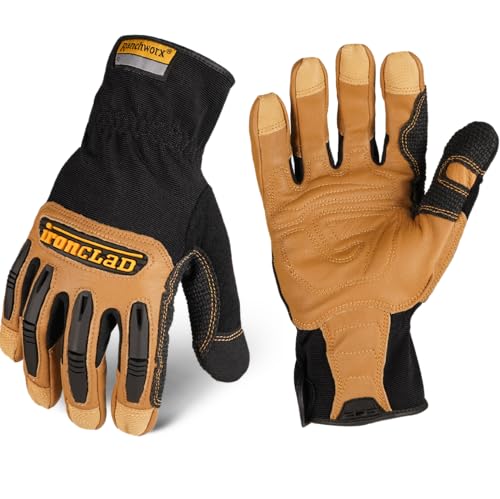
For abrasion from lumber, rough metal, landscaping tools, or general material handling, leather remains a practical documented choice. The Railhead Cowhide Leather Driver Gloves use cowhide and an unlined driver pattern. The Ironclad Ranchworx RWG2 goes further with Kevlar reinforcement and double-layer fingertip protection. The Wells Lamont HydraHyde model adds reinforced fingertips and palm with lightly padded neoprene knuckles.
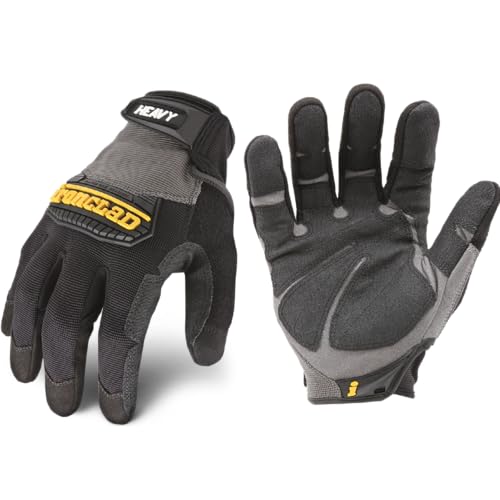
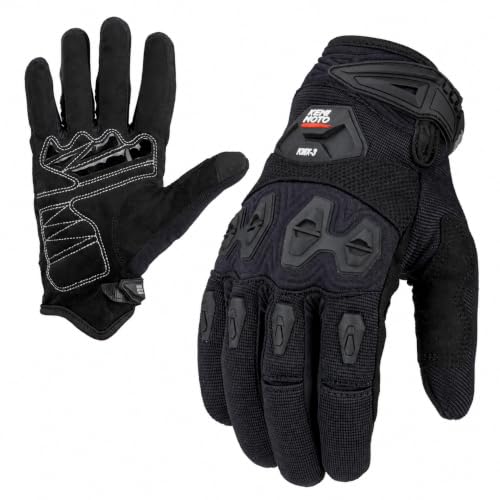
Impact protection is a separate feature. The Ironclad HUG, DEWALT DPG781XL, toolant Thor, and DLY models list thermoplastic rubber, PVC, or other padded coverage over the back of the hand. That can be useful around tools, equipment, and materials that may strike the knuckles. However, the supplied listings do not establish that these products meet a specific impact standard, so workplace requirements should take priority.
If cuts are the dominant hazard, the Schwer ProGuard is the most specialized selection because its listing identifies ANSI A9 cut resistance and a reinforced thumb crotch. A cut-resistant glove is not automatically appropriate for every other hazard; check whether the task also requires impact, chemical, heat, or puncture protection.
Consider grip and surface conditions
Grip depends on the palm treatment and the surface being handled. Textured leather can suit tools and rough materials, while coated palms are often selected for more controlled handling. The TitanFlex MicroFoam Nitrile Coated Gloves are described for oil and grease resistance and include a microfoam nitrile palm. The DLY and DEWALT designs use textured or synthetic palm areas for handling control. The G & F double-coated model documents a textured latex palm for dry or lightly moist conditions.
Do not treat all coated gloves as equally suitable for oily work. The evidence for the G & F model is narrower than the oil-focused description supplied for TitanFlex. Similarly, a grip feature does not prove chemical compatibility. For automotive fluids, solvents, or other chemicals, consult the product’s complete technical documentation and the substance’s safety guidance.
Balance protection with dexterity
Thicker materials and added padding can improve coverage but may reduce fingertip feel. Unlined leather, such as the Railhead design, is positioned around flexibility and hand movement. Knit shells and synthetic backs can also support dexterity. TitanFlex uses a seamless knit nylon shell, while Wells Lamont HydraHyde uses a flexible spandex back.
Mechanic-style designs add features for repeated handling. The DEWALT DPG781XL and DLY gloves list adjustable wrist closures, and DLY adds pre-curved fingers. The toolant Thor lists a touchscreen-compatible index finger and adjustable wrist fastening. These details may help when workers need to operate devices without removing gloves, but they do not replace checking whether the fit is correct.
Account for weather and moisture
Cold and wet work calls for different evidence than indoor handling. The toolant Thor is a clearly documented cold-weather option because the listing identifies 3M Thinsulate insulation and a waterproof lining. The Wells Lamont HydraHyde model is described as water-resistant and breathable, which is useful for variable outdoor conditions but should not be read as fully waterproof.
Unlined leather and breathable knit gloves may be more comfortable in mild or warm conditions, but the supplied evidence does not show insulation for those models. For wet work, also consider whether the palm coating is documented for moisture, since a water-resistant back alone does not establish complete water protection.
Check coverage and replacement needs
Pack size matters for crews, repetitive work, and tasks where gloves wear out quickly. Railhead supplies 12 pairs, while the G & F coated model also comes in a 12-pair format. Those packs can simplify replacement planning, but the number of pairs does not indicate that each glove offers greater protection.
A safety cuff can add wrist coverage and help limit debris entry. The selected products vary in closure and coverage, so confirm cuff length, wrist fastening, and size availability before purchase. A secure fit is important because excess movement can affect handling, while a tight glove may reduce comfort during extended work.
Use the listing evidence carefully
This comparison is specification-based, not a hands-on test. Public listing language can identify materials, stated ratings, features, and intended applications, but it cannot confirm real-world fit, longevity, or performance. Treat claims such as “impact protection,” “waterproof,” or “puncture defense” according to the exact wording supplied, and look for a formal standard when your workplace requires one.
Final Recommendation
Schwer ProGuard ANSI A9 Cut Resistant Gloves ranks first overall in this specification-based comparison under the published weighted criteria.
Ironclad HUG Heavy Utility Work Gloves are among the best heavy-duty work gloves and the first overall specification-based choice in this comparison because they combine reinforced palm and finger areas, thermoplastic rubber knuckle protection, a secure closure, and a broad utility profile. The DEWALT DPG781XL is a close alternative for jobsite impact handling, while the toolant Thor is better suited to cold, wet outdoor work.
For specialized hazards, choose by documented need rather than general reputation. Schwer ProGuard is the focused cut-resistance option, and TitanFlex is a strong oily-task and tactile-control option. Leather-oriented buyers should compare the Ranchworx RWG2, Railhead, and Wells Lamont HydraHyde according to whether reinforcement, crew quantity, or water resistance matters most. These are among the top heavy-duty work gloves here, but none should be treated as a universal substitute for required workplace protection.
Frequently Asked Questions
What are the best heavy-duty work gloves for construction?
The Ironclad HUG and DEWALT DPG781XL are strong general construction candidates from the selected group because their listings document reinforced or impact-oriented coverage, grip features, and adjustable closures. For construction involving recognized cut hazards, Schwer ProGuard provides the clearest stated cut-resistance specification.
Are leather gloves better for heavy-duty work?
Leather can be a practical choice for abrasion resistance, rough handling, and general outdoor work, but suitability depends on the hazard. Railhead uses cowhide with an unlined driver design, while Ranchworx adds Kevlar reinforcement. Neither listing supplies the same cut-focused evidence as Schwer ProGuard or the same cold-and-wet coverage as toolant Thor.
Which selected glove is best for cold and wet conditions?
The toolant Thor is the most directly documented choice because it lists 3M Thinsulate insulation and a waterproof lining. Wells Lamont HydraHyde is described as water-resistant, but that is a different claim and does not establish full waterproof performance.
Can these gloves be used with phones or tablets?
Several selected models list touchscreen compatibility, including toolant Thor, DLY, Schwer ProGuard, and TitanFlex. Touchscreen support is a convenience feature, not a measure of abrasion, impact, cut, or chemical protection. Confirm that the glove still fits securely while operating the device.
How should I choose between a single pair and a multipack?
Choose a multipack when several workers need gloves or when the task causes frequent replacement. Railhead and G & F provide larger pack formats. A single-pair option may be preferable when you need a specialized feature, such as the cold-weather construction of toolant Thor or the cut-focused design of Schwer ProGuard.