Buying Guide
The best high-visibility safety tape is not one universal construction. Reflective adhesive rolls, hazard-striped floor tape, sew-on garment trim, and pre-cut reflective markers solve different visibility problems. Start by identifying the surface, the expected exposure, and whether the tape needs to communicate a hazard in daylight or return light from vehicles at night.
Choose the tape design for the job
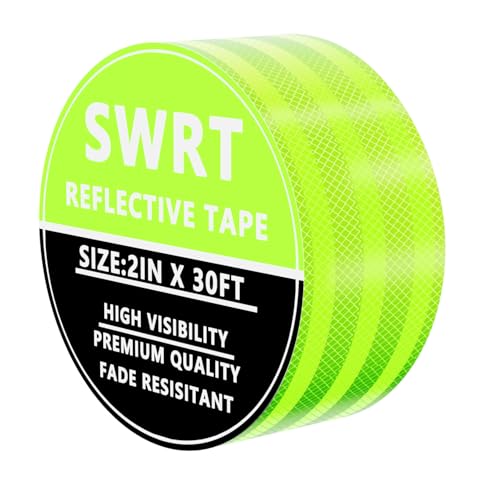
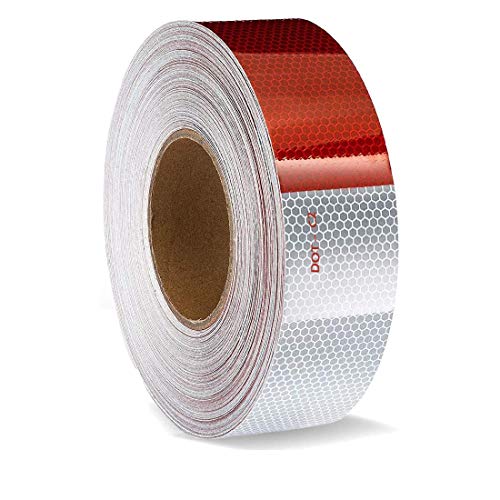
Reflective tape is intended to return light from an external source. The WENFUMUSIC, SWRT, AISEY, Kwtpsg, Duccinp, Gralux, Fosaseua, and compact WENFUMUSIC sets all describe reflective surfaces or prism-based designs. These are appropriate when vehicle headlights, flashlights, or other illumination will be present. The listings do not describe the tape as self-luminous, so reflective tape should not be treated as a substitute for lighting in completely dark conditions.
Hazard marking uses a different visual language. They are useful where the daytime contrast of a warning stripe matters more than nighttime retroreflection. Because the selected comparison focuses on high visibility, reflective and fluorescent products generally rank ahead of plain caution designs for applications that involve low light.
Sew-on products are a separate category within safety tape. TCCFCCT and JINBING are fabric trims, not adhesive rolls. They make sense for vests, protective garments, bags, raincoats, tents, or other items that can be stitched. Their advantage is compatibility with fabric construction and washing guidance; their limitation is that installation requires sewing.
Match width and length to the surface
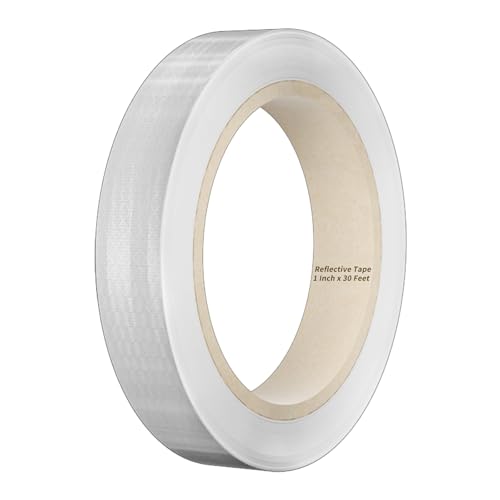
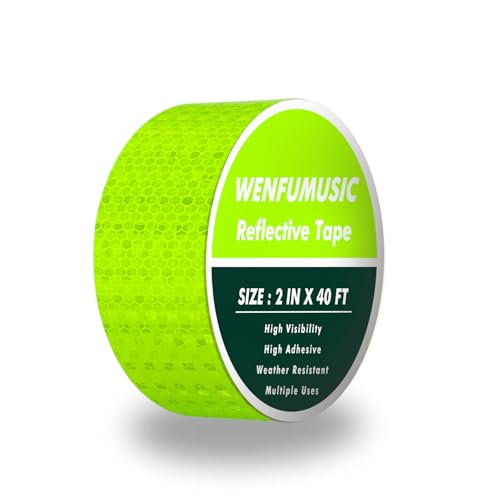
Width affects both visibility and installation. The SWRT, AISEY, Kwtpsg, and JINBING options use approximately two-inch formats, making them suitable for broad stripes on vehicles, barriers, or garments. One-inch products such as Duccinp, Gralux, and the WENFUMUSIC rolls are easier to place around equipment and along narrower edges. Fosaseua is much thinner, at approximately 0.4 inch, so it is better suited to bicycle frames, scooter parts, collars, helmets, or detail work than to covering a large panel in one pass.
Length also changes the practical choice. A 30-foot roll is a useful general-purpose size for several medium projects. Multi-roll packs increase flexibility because each color can be assigned to a different object or hazard. The eight-roll WENFUMUSIC set has the broadest color selection in this group, while its three-roll counterpart is more compact. TCCFCCT supplies a long fabric trim roll, but it must be sewn. JINBING supplies a shorter five-meter roll aimed at specialized garment work.
Pre-cut markers are worth considering when the application calls for small repeated pieces. Their rigid pieces are intended for smooth, flat surfaces and may need to be cut into smaller sections for curved areas. They are useful for consistent placement, but continuous tape is generally more adaptable when marking irregular lengths.
Check the adhesive and surface requirements
Adhesive performance depends heavily on preparation. Several listings specify clean, dry, flat, or smooth surfaces. Gralux is especially explicit that rough gray surfaces, cement, lime, and wood may not be suitable. This warning matters even when a product describes its adhesive as strong. Dust, moisture, grease, texture, and curvature can reduce contact area or encourage edge lifting.
The SWRT and WENFUMUSIC products describe industrial-strength adhesive and compatibility with several common materials. Kwtpsg describes strong backing for vehicles, helmets, and outdoor gear. Duccinp lists industrial-grade glue and flexible application on smooth and textured surfaces, while still benefiting from a properly prepared surface.
Do not choose an adhesive roll for clothing simply because it is reflective. Fabric normally calls for sew-on trim, and TCCFCCT explicitly states that it is sew-on rather than stick-on. JINBING makes the same distinction. This avoids a mismatch between the tape backing and the material being marked.
Consider weather, cleaning, and wear
For outdoor use, look for evidence about water, temperature, fading, or solvents. WENFUMUSIC describes waterproof PVC and resistance to dirt, oil, rain, and fading. SWRT describes resistance to extreme cold and heat, while Kwtpsg lists rain, snow, and UV exposure. Duccinp adds moisture, washing, gasoline, diesel, and solvent-resistance claims. These statements are listing specifications, not independent durability results, so they should be treated as useful selection evidence rather than guarantees.
Floor marking requires a different durability check. Surface preparation remains important: the supplied evidence says dust, water stains, rough surfaces, or grease can affect adhesion for some floor tapes.
Use color intentionally
Color can improve recognition before reflective performance is needed. Fluorescent yellow and green are prominent choices in the pool, while red-and-white and red-and-yellow combinations create stronger contrast for vehicle or barrier marking. The eight-color WENFUMUSIC set is the most flexible for color coding. The three-roll WENFUMUSIC pack is a simpler option when red, silver-white, and fluorescent green are sufficient.
For clothing, TCCFCCT supplies green fabric trim and JINBING combines fluorescent yellow with silver reflective material. For a narrow white edge, Fosaseua offers a compact strip. Pick a color that contrasts with the underlying surface and fits the visual purpose; more colors do not automatically make a marking more suitable.
Final Recommendation
WENFUMUSIC 8-Color Reflective Tape, 80 Feet ranks first overall in this specification-based comparison under the published weighted criteria.
WENFUMUSIC 8-Color Reflective Tape is the highest-scoring returned product and the first overall specification-based choice for buyers who want broad application flexibility, multiple colors, and documented waterproof PVC construction. It is the best high-visibility safety tape here for projects that span vehicles, posts, gear, and signs.
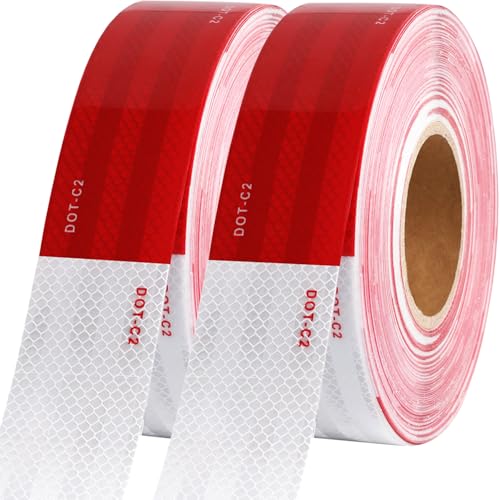
Choose SWRT DOT-C2 Reflective Tape instead when a two-inch fluorescent-green roll and vehicle-conspicuity positioning matter most. AISEY is a good fit for red-and-yellow barrier or trailer marking, while Kwtpsg offers a red-and-white alternative with broad outdoor-use claims. Duccinp stands out for its documented resistance to automotive fluids, and Gralux is a narrower fluorescent-yellow choice for smooth, prepared surfaces.
For compact edges and personal equipment, Fosaseua provides thin strips in a two-roll format. WENFUMUSIC Three-Roll Reflective Tape is the practical middle ground for buyers who want several colors without the largest assortment. When the material is fabric, choose TCCFCCT for long sew-on coverage or JINBING for its fire-retardant fabric specification. In short, the top high-visibility safety tape depends on the mounting method as much as the reflective pattern: adhesive rolls suit hard surfaces, while sewn trims suit clothing and textile gear.
Frequently Asked Questions
What is the best high-visibility safety tape for a trailer?
A two-inch reflective roll is a logical starting point because it creates a broad conspicuous band. SWRT DOT-C2 Reflective Tape, AISEY Red and Yellow Reflective Safety Tape, and Kwtpsg Red and White Reflective Tape all document vehicle or trailer applications. Compare the color pattern, width, and surface preparation requirements with the area you need to mark.
Does reflective safety tape glow without light?
No. The supplied product evidence explains that reflective tape needs an external light source to create its reflective effect. Headlights or another light source can make the material visible in low-light conditions, but reflective tape is not described as self-luminous. For completely dark areas, consider whether separate illumination or additional safety controls are needed.
Should I use adhesive or sew-on safety tape for clothing?
Use sew-on trim when the item is fabric and can be stitched. TCCFCCT is polyester sew-on tape intended for protective clothing, bags, raincoats, tents, and pet clothes. JINBING is also sew-on and uses a fire-retardant cotton base. Adhesive reflective rolls are better suited to hard, clean surfaces such as vehicle panels, equipment, mailboxes, or signs.
How should a reflective tape surface be prepared?
Clean and dry the surface before application, and follow any product-specific limits. Gralux cautions against rough gray surfaces, cement, lime, and wood, while other listings emphasize smooth or flat areas. Remove dust, grease, and moisture, then apply the tape firmly. Curved surfaces may require smaller sections, as noted for rigid reflective markers.
Is reflective tape the same as floor hazard tape?
Not necessarily. Reflective tape returns light from an external source, while black-and-yellow floor hazard tape primarily creates a visible warning stripe for aisles, boundaries, pipes, floors, or equipment. Select the design based on whether nighttime conspicuity or daytime hazard communication is the main requirement.