Buying Guide
The best hypoallergenic toilet paper is best chosen by reviewing the composition and construction details together. A product labeled for sensitive skin may still differ substantially in fiber source, added ingredients, ply, sheet count, and plumbing guidance. The listings in this comparison document either an explicit hypoallergenic or sensitive-skin position, relevant exclusions such as fragrance or dyes, or both.
Start with disclosed additives
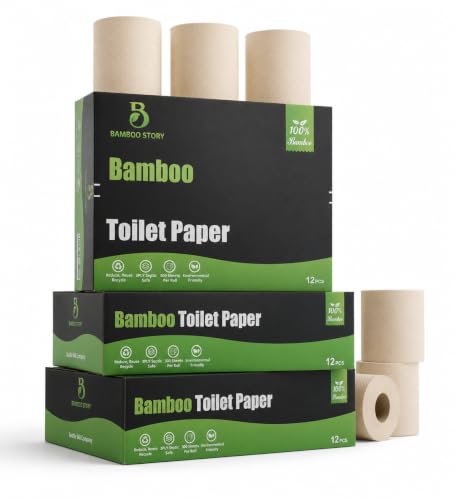
For sensitive-skin shopping, look first for clear statements about fragrance, dyes, inks, chlorine, PFAS, formaldehyde, BPA, and other additives. Bamboo Story provides the most extensive list in this group, naming fragrance, dyes, PFAS, BPA, parabens, formaldehyde, and elemental chlorine among its exclusions. Home Nurse similarly lists no fragrance, chlorine bleach, synthetic dyes, PFAS, BPA, or plastics.
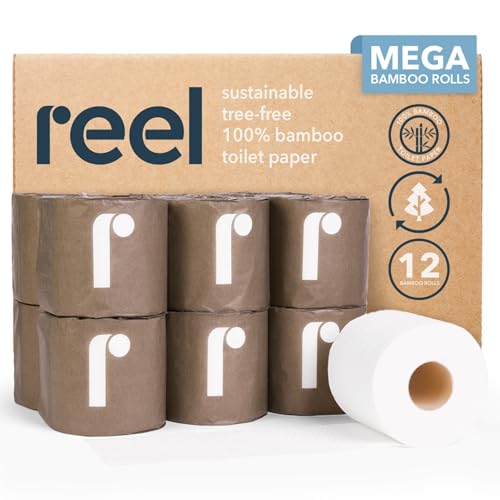
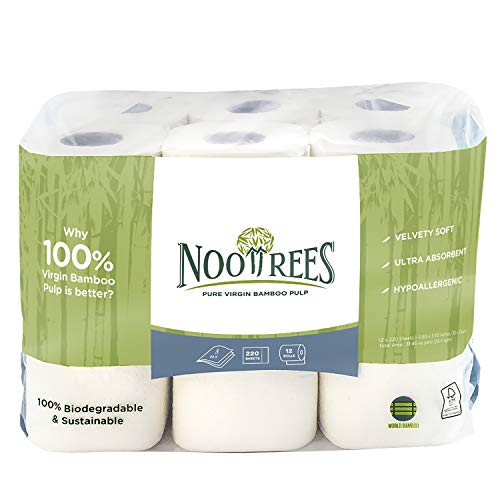
Reel identifies no inks, dyes, PFAS, BPA, harsh chemicals, or elemental chlorine. NooTrees lists no BPA, dyes, chemicals, or fragrances. Seventh Generation takes a recycled-paper approach and specifies no added dyes, inks, or fragrances, along with chlorine-free processing. These statements are useful because they identify what the listing says is absent; they do not establish that any tissue will suit every person.
Compare bamboo and recycled paper
Bamboo is the dominant fiber choice among the highest-ranked products. Bamboo Story, Home Nurse, Caboo, Reel, ECOHINY, Amazon Aware, NooTrees, and Betterway all describe bamboo construction. The listings commonly pair bamboo with tree-free or sustainability language, but the practical buying differences are the disclosed irritants, ply, sheet count, and disposal information.
Seventh Generation uses 100% recycled paper, while White Cloud supplies a conventional white bath-tissue alternative with explicit unscented, hypoallergenic, and dermatologist-tested wording. The choice between these designs is therefore not only about fiber source. Shoppers may also prefer the appearance and feel associated with white paper, unbleached brown bamboo, or other packaging and presentation choices documented in the individual listing.
Use ply as a comfort signal, not a guarantee
Ply describes the number of paper layers, so it is a useful construction detail. Home Nurse is listed as 4-ply. Bamboo Story, Reel, ECOHINY, Amazon Aware, NooTrees, and Betterway are 3-ply. Caboo and Seventh Generation are 2-ply, while White Cloud is described as having two cushioned layers.
More layers can be relevant when you want a thicker construction, but ply alone does not prove softness, strength, or personal comfort. The supplied listings describe some products as soft, strong, absorbent, tear resistant, or cushioned, and those claims are reflected only as product evidence here rather than as independent test results.
Check sheets per roll and pack size
Sheet counts vary considerably. Betterway lists 360 sheets per roll, while ECOHINY and Amazon Aware list 350. Bamboo Story and Reel provide 300-sheet rolls, and White Cloud lists 264 sheets per mega roll. Home Nurse lists 230 sheets, NooTrees 220, Caboo 300, and Seventh Generation 240.
A larger pack can reduce how often you restock, but roll terminology is not perfectly uniform across brands. Some listings use terms such as mega, double, or long-lasting rolls. Compare the stated sheets per roll and total roll count instead of relying on the roll label alone. This is especially important when comparing a compact six-roll pack with a larger household supply.
If septic, RV, low-flow, or marine use matters, look for an explicit statement. Home Nurse lists standard toilets, low-flow toilets, RVs, campers, and marine plumbing. Seventh Generation mentions septic-safe use plus RVs, low-flow toilets, and campers. Caboo, Reel, Betterway, NooTrees, and Bamboo Story also provide septic-safe or quick-breakdown language.
Amazon Aware has useful fiber, fragrance, and dye information in the supplied listing, but the provided details do not state septic-safe or quick-dissolving use. That omission is not proof of incompatibility; it simply means shoppers with specialized plumbing should verify the package or manufacturer guidance before buying. The same cautious approach applies to any product whose listing does not specify the plumbing system you use.
Match packaging to storage needs
Packaging can affect storage and waste. Reel lists individually paper-wrapped rolls and plastic-free packaging. Bamboo Story describes blanket-wrapped rolls and plastic-free, tape-free packaging. ECOHINY lists individually wrapped rolls and plastic-free packaging made with recycled materials. These are documented packaging features, not a measure of overall environmental impact.
For a small bathroom, also consider roll dimensions when supplied and the number of rolls in the package. A bulk pack may be convenient for a household but require more storage space. The best hypoallergenic toilet paper for your home is the option whose ingredient disclosures, roll format, and plumbing details fit your actual constraints.
Final Recommendation
Bamboo Story 3-Ply Unbleached Bamboo Toilet Paper ranks first overall in this specification-based comparison under the published weighted criteria.
The final choice among the best hypoallergenic toilet paper depends on the documented features that match your intended use.
Bamboo Story is the highest-scoring returned product and the first overall specification-based choice. Its listing combines an explicit hypoallergenic claim with unbleached 3-ply bamboo, 300 sheets per roll, and detailed exclusions covering fragrance, dyes, PFAS, BPA, parabens, and elemental chlorine. It is also described as septic safe.
Home Nurse is the stronger alternative when four-ply construction or specialized plumbing guidance matters. White Cloud is the most direct conventional-paper option because its listing explicitly says unscented, hypoallergenic, and dermatologist tested. For shoppers prioritizing long rolls, Betterway lists 360 sheets per roll; for recycled paper, Seventh Generation provides the clearest relevant fiber profile.
Overall, the top hypoallergenic toilet paper choice should be based on the specific irritants you avoid, the construction you prefer, and whether your toilet system requires documented septic, RV, low-flow, or marine compatibility. Public listing claims can narrow the field, but individual sensitivity may still vary.
Frequently Asked Questions
What makes the best hypoallergenic toilet paper different?
The most specification-aligned listings provide direct sensitive-skin or hypoallergenic wording and disclose relevant exclusions such as fragrance, dyes, inks, chlorine, PFAS, formaldehyde, or BPA. Bamboo Story, Home Nurse, White Cloud, and Reel provide especially useful combinations of these details. A listing-based comparison cannot confirm how every individual will react.
Is bamboo toilet paper automatically hypoallergenic?
No. Bamboo describes the primary fiber, not a universal skin-sensitivity outcome. The useful evidence is the full ingredient and additive disclosure. Bamboo Story, Home Nurse, Reel, ECOHINY, NooTrees, and Betterway pair bamboo with different no-additive or sensitive-skin statements, so compare those details rather than relying on the word bamboo alone.
Home Nurse, NooTrees, Reel, Amazon Aware, White Cloud, and Seventh Generation provide fragrance-free, unscented, or no-fragrance information in the supplied listings. Bamboo Story also lists fragrance among its exclusions. Always check the current package if fragrance avoidance is essential, since product formulas and packaging can change.
What should septic-system owners check?
Look for explicit septic-safe, quick-dissolving, or compatible-system language. Bamboo Story, Home Nurse, Caboo, Reel, NooTrees, Betterway, White Cloud, and Seventh Generation include relevant plumbing statements. Amazon Aware does not include that information in the supplied evidence, so its plumbing suitability should be verified separately.
No. Ply is a construction specification, not a skin-sensitivity test. Home Nurse is 4-ply, several bamboo products are 3-ply, and White Cloud and Seventh Generation use two-layer or 2-ply constructions. Choose ply alongside the product’s fragrance, dye, chemical, and sensitive-skin disclosures.