Buying Guide
Selecting the best kosher rock salts depends on how the crystals interact with food, the strength of kosher certification, and the format that fits each kitchen. The picks in this specification-based guide cover Mediterranean flake salts, Himalayan coarse crystals, and traditional kosher coarse formats, each with documented sourcing and intended uses.
Understanding Crystal Texture
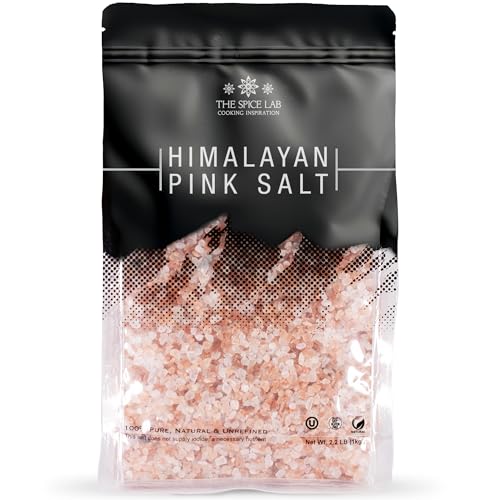
Crystal shape influences how a salt feels in the hand, how it distributes across food, and how quickly it dissolves. Diamond Crystal Kosher Salt is documented with light, hollow flakes that crumble between fingertips, which favors pinching and gradual seasoning. Morton Kosher Salt is described as a coarse flake designed for brining and rimming. For grinder refills, Falksalt, Himalayan Chef, and The Spice Lab offer larger, denser crystals that hold up under a mill burr. Buyers choosing between flake and coarse rock should match crystal size to the primary cooking technique rather than to a single recipe.
Kosher Certification and Dietary Standards
Kosher certification varies in scope, and several products document year-round and Passover approval. Manischewitz (Haddar) and Tuscanini both list Passover coverage in their descriptions, while Falksalt, Purelife, and The Spice Lab reference general kosher certification. For kitchens observing kosher law across the full calendar, products with documented Passover approval remove uncertainty around holiday cooking. Listings that mention gluten-free, non-GMO, and additive-free status add further clarity for buyers managing dietary restrictions alongside kosher observance.
Source Origin and Mineral Profile
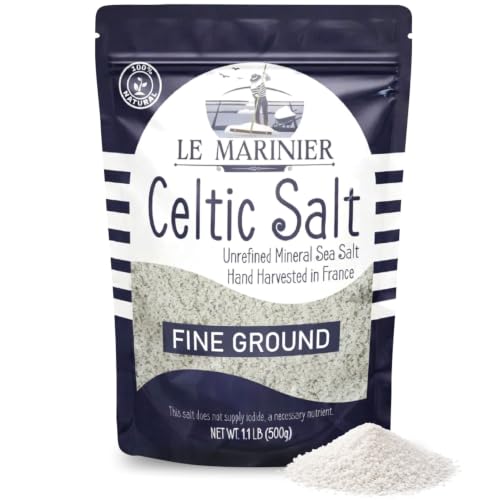
The best kosher rock salts come from distinct geological settings, and each source shapes color, mineral content, and flavor. Mediterranean sources such as 365 by Whole Foods Market, Manischewitz, and Tuscanini are documented as sea salts from coastal evaporation. Himalayan sources including The Spice Lab, Himalayan Chef, and Purelife describe ancient mine deposits with documented mineral content claims. Buyers seeking a traditional coarse kosher flake will gravitate toward Mediterranean sources, while those prioritizing mineral variety and color often look to the Himalayan options. Falksalt documents ancient mineral deposits, positioning it between the two source families.
Purity and Additive Profile
Iodization and anti-caking agents are common salt modifications, and kosher cooking sometimes requires non-iodized, additive-free products. For recipes where iodine flavor would interfere with brining, curing, or finishing, these documented non-iodized options provide specification-backed assurance. Buyers who want pure sodium chloride for baking or pickling should prioritize listings that explicitly state the absence of anti-caking agents.
Culinary Versatility and Use Cases
Documented use cases help narrow the field. Diamond Crystal lists brining, pickling, canning, roasting, baking, blanching, grilling, and finishing, which makes it a strong all-purpose choice. Morton is documented for brining poultry and rimming drink glasses. Tuscanini highlights pickling and brining, while Falksalt targets grinder refills and curing. Choosing among these depends on whether the kitchen needs a single do-everything salt or a specialized format.
Pack format affects freshness, dispensing, and storage. Box formats such as Morton, Diamond Crystal, Manischewitz, and Tuscanini are documented for pantry storage and bulk use. Plastic jars like Himalayan Chef provide a resealable container for frequent access, while smaller 1.1-pound packs from Falksalt and Purelife suit smaller households or grinder refills. For high-volume cooks, the 4-pound Manischewitz and 5-pound Himalayan Chef formats reduce the need for frequent replacement. Buyers should match the pack format to expected usage frequency to avoid stale storage.
Matching Salt to Technique
Brining benefits from a salt that dissolves predictably, which is why flake-format kosher salts such as Morton and Diamond Crystal are commonly used. Pickling and curing require pure, additive-free coarse salt, which the Tuscanini and Manischewitz listings document. Grinder refills call for larger crystals that resist shattering, and Falksalt, Himalayan Chef, and The Spice Lab describe crystals sized for that purpose. Finishing dishes benefits from visually distinct crystals, which the pink Himalayan options and the coarse Sicilian salts provide. Matching the technique to the documented crystal profile yields more consistent results than selecting a salt based on packaging alone.
Final Recommendation
Diamond Crystal Kosher Salt (3 lb) ranks first overall in this specification-based comparison under the published weighted criteria.
The final choice among the best kosher rock salts depends on the documented features that match your intended use.
The first overall specification-based choice in this comparison is Diamond Crystal Kosher Salt (3 lb), which combines documented flake texture, additive-free purity, and broad culinary versatility in a single restaurant-format pack. It is well suited to brining, finishing, and routine seasoning across the widest range of cooking methods. For buyers prioritizing Passover coverage and Mediterranean sourcing, Manischewitz (Haddar) Kosher Salt offers documented certification in a 4-pound bulk format. For cooks focused on grinder refills, Falksalt provides documented coarse crystals from ancient mineral deposits with kosher certification. Together, these options represent the top kosher rock salts for US kitchens in 2026 based on the supplied specifications.
Frequently Asked Questions
Among the best kosher rock salts, what is the difference between kosher salt and kosher rock salt?
Kosher salt refers to a coarse-grained salt traditionally used in koshering meat, while kosher rock salt describes crystals from a specific geological source such as ancient mineral deposits. Among the best kosher rock salts, products like Falksalt, The Spice Lab, and Purelife document their crystals as rock salt with mineral content claims.
Which kosher rock salt is best for brining and pickling?
Documented options for brining and pickling include Morton Kosher Salt, Diamond Crystal Kosher Salt, and Tuscanini Coarse Kosher Salt. These listings describe coarse flake or coarse crystal textures with non-iodized, additive-free profiles suitable for brines and pickling brines.
Can kosher rock salt be used in a salt grinder?
Yes, and several of the best kosher rock salts are documented specifically for grinder use. Falksalt, The Spice Lab, Himalayan Chef, and Purelife describe crystals sized for refillable salt mills. The crystal size and density described on each listing helps match the salt to the grinder mechanism.
Are Himalayan pink salts considered kosher rock salts?
Many Himalayan pink salts document both kosher certification and rock salt origin. Purelife, The Spice Lab, and Himalayan Chef list kosher status alongside mine-sourced origins, placing them within the category of kosher rock salts based on the supplied specifications.
How should kosher rock salt be stored?
Kosher rock salt should be stored in a sealed container away from moisture to preserve crystal integrity and prevent clumping. Box formats like Morton and Tuscanini and jar formats like Himalayan Chef are designed for dry pantry storage, while smaller packs from Purelife and Falksalt should be transferred to airtight containers after opening for longer shelf life.