Buying Guide
Picking the best low-carb peanut butter is rarely just about the word keto on the label. Ingredients, format, protein additions, and dietary certifications together determine whether a jar fits your low-carb, keto, or reduced-sugar routine. Use the guidance below to read each jar the way it is actually formulated.
Understand how low-carb a peanut butter truly is
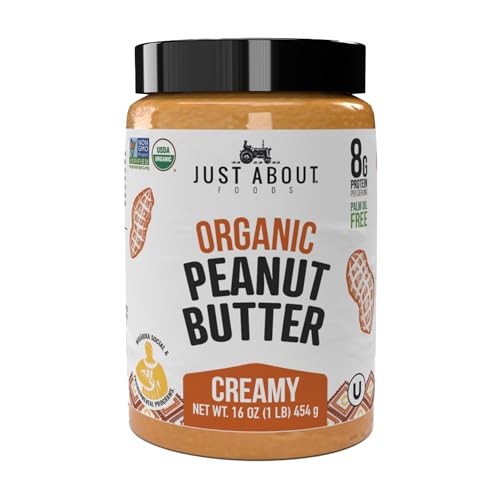
Peanuts naturally contain carbohydrates, so most peanut butters deliver at least a few grams of net carbs per serving, even without added sweeteners. The lowest-carb contenders in this pool include powdered peanut butter and zero-calorie whipped spreads that reformat peanuts to lower or remove the carbohydrate load. Jars built on whole peanuts with no sugar, no salt, and no added oils sit in the middle, offering clean macros but not zero carbs. Choose powdered forms, such as PB2 Original Powdered Peanut Butter, when exact net carb control matters, and unsweetened creamy jars, like the Just About Foods Organic Keto Peanut Butter Creamy or Maranatha No Sugar No Salt Added Organic, for everyday spreading.
Check the sugar statement carefully
A jar can say no sugar added while still relying on natural peanut sugars for its full carbohydrate profile. Look at how the brand describes its sweetener strategy: terms such as no added sugar, unsweetened, and zero net carb each imply different carbohydrate ceilings. Options like GOOD GOOD Crunchy Peanut Butter explicitly market no-added-sugar formulas, while Walden Farms Whipped Peanut Spread claims zero calories and zero net carbs. Pick the wording that matches the carb ceiling you are planning around.
Evaluate keto and dietary certifications
Keto-friendly and diabetic-friendly labels signal that a brand has considered macros, but they are not interchangeable. Verify that the certifications match your habits, such as vegan, kosher, gluten-free, or paleo, before assuming a jar is suitable.
Traditional peanut spreads offer around 7 g of protein per serving from peanuts alone, while protein-enriched jars raise that figure with added plant proteins. If satiety and protein macros matter, prioritize protein-fortified or powdered formats; if fat reduction matters, look at reduced-fat labels that state the percentage drop explicitly.
Weigh ingredient simplicity
Minimal ingredient lists tend to be predictable on carbs. Two-ingredient options like Justin’s Classic Peanut Butter rely on peanuts and a small amount of palm oil, with nothing else to hide carbohydrates. Stir-and-enjoy jars, including the 365 Organic Creamy Peanut Butter Unsweetened, may carry three or four ingredients but avoid sweeteners, fillers, and hydrogenated oils. Pick ingredient panels with the fewest items you do not recognize.
Match texture and format to your routine
Texture can shift how a jar performs in a low-carb kitchen. Whipped spreads like Walden Farms Whipped Peanut Spread work well on rice cakes or protein waffles. Crunchy jars, such as GOOD GOOD Crunchy Peanut Butter, add bite for spooning or topping, while creamy jars spread most predictably. Powdered forms serve shakes, smoothies, and low-carb baking where measured hydration helps.
Jar size influences how often you repurchase and how the product ages after opening. Choose larger formats for households and smaller jars for single-serving routines or when you want to test a formula before committing.
Final recommendation
Just About Foods Organic Keto Peanut Butter Creamy ranks first overall in this specification-based comparison under the published weighted criteria.
The final choice among the best low-carb peanut butter depends on the documented features that match your intended use.
After comparing net carb strategies, ingredient lists, and formats, the Just About Foods Organic Keto Peanut Butter Creamy emerges as the first overall specification-based choice, because it pairs a no-added-sugar, palm-oil-free formulation with a substantial 16 oz size. If you want the lowest possible net carb impact, the Walden Farms Whipped Peanut Spread offers a zero-carb whipped alternative; if you want maximum versatility, PB2 Original Powdered Peanut Butter delivers a measured powder format, and these three represent the top low-carb peanut butter options across the pool. The remaining picks round out the top low-carb peanut butter list with crunchy texture, family-size jars, and high-protein blends to cover any routine.
Frequently Asked Questions
Among the best low-carb peanut butter, what qualifies a peanut butter as low-carb?
A low-carb peanut butter keeps net carbohydrates per serving low, either by limiting added sugar, using minimal ingredients, or being reformulated as a powder or whipped spread to reduce the overall carbohydrate load.
Is powdered peanut butter lower in carbs than regular?
Powdered peanut butter concentrates flavor while stripping most of the fat and a portion of the natural carbohydrates, typically delivering lower net carbs per serving than an equivalent portion of traditional spread.
Powdered formats such as PB2 Original Powdered Peanut Butter blend smoothly into shakes and low-carb baked goods, while unsweetened creamy or crunchy jars work better for spreading and topping.
Are no-sugar-added peanut butters safe for diabetics?
No-sugar-added jars remove added sweeteners, but the natural sugars in peanuts still contribute carbs, so portion control and label reading remain important for diabetic planning.
Do two-ingredient peanut butters fit keto?
Two-ingredient options such as Justin’s Classic Peanut Butter avoid added sweeteners and fillers, keeping macros simple; however, the inclusion of palm oil may matter to some keto buyers, so review each ingredient statement individually.