Buying Guide
The best low carb muffin mixes balance net carb counts, flour bases, and sweeteners in a way that matches your daily routine. This guide breaks down what to compare across the top low carb muffin mixes so you can pick a box that fits your kitchen.
How to Read Net Carb Claims
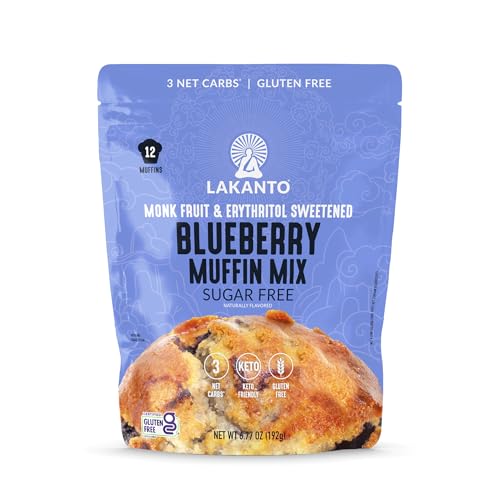
Net carbs on a muffin mix typically mean total carbohydrates minus dietary fiber, sometimes with sugar alcohols subtracted as well. The mixes in this guide range from about 1–2g net carbs per serving in Sweet Logic entries up to roughly 3g per serving in Lakanto and Good Dees boxes. When a label is vague, treat the figure as approximate and weigh it against serving size and total package yield.
Choosing the Right Flour Base
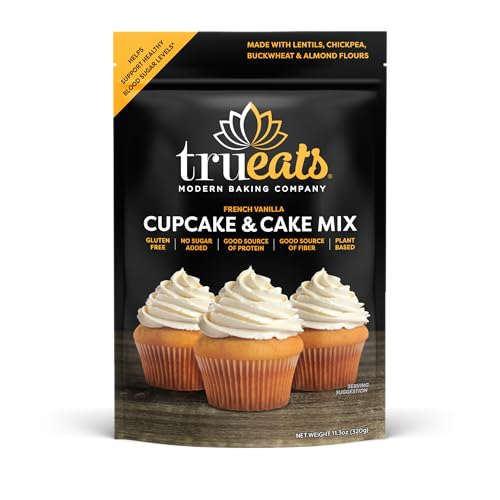
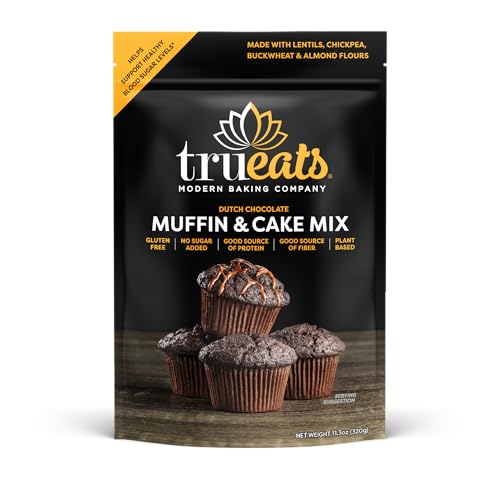
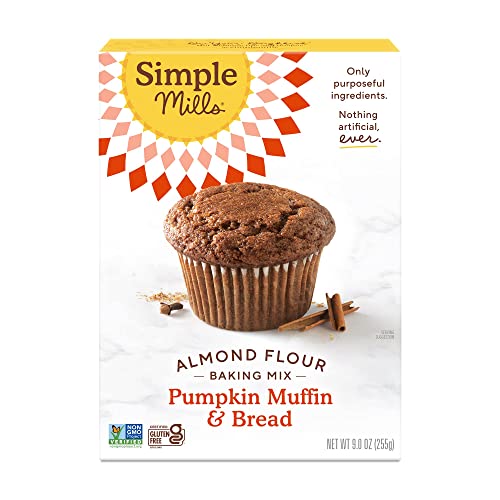
Low carb muffin mixes lean on almond flour, oat fiber, coconut flour, watermelon seed flour, or legume blends like chickpea, lentil, and buckwheat. Almond flour is the most familiar option in Simple Mills and Lakanto, while Good Dees features watermelon seed flour and TruEats uses a multi-flour legume and nut blend. Each base affects moisture, crumb, and flavor, so consider how the mix fits your usual baking texture.
Sweetener Choices Matter
Sweeteners influence both taste and how a mix fits a keto or diabetic plan. Monk fruit appears in Lakanto and TruEats, while Sweet Logic combines allulose and stevia. Monk fruit tends to avoid the cooling aftertaste some people associate with stevia, and allulose blends are designed to behave more like sugar in baking.
Dietary Compatibility and Allergen Profile
Many best low carb muffin mixes target overlapping diets: keto, gluten-free, dairy-free, paleo, vegan, or diabetic-friendly. Miss Jones Baking explicitly lists Atkins, Weight Watchers, paleo, and diabetic-friendly claims, while TruEats, Good Dees, and Simple Mills each carry their own combination of certifications. Match the label to the most restrictive household need so no one is left out.
Flavor Variety and Yield
Most boxes focus on a single flavor, but several brands like Sweet Logic and Simple Mills publish additional flavors or formats outside this list. Package sizes range from single-serve 1.5 oz pouches to 11.3 oz cake and muffin boxes, so weigh how often you bake and how many muffins you need per batch.
Preparation Time and Ingredients
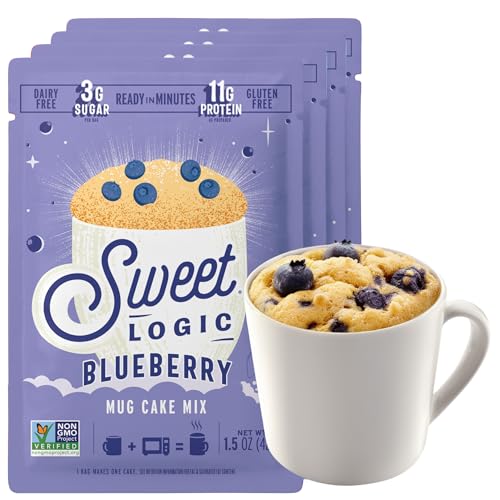
Some mixes only need water or oil added, while others require eggs, butter, and water. Sweet Logic markets a 20-minute prep window for its baking mix and a fast mug cake format for its 4-pack. Lakanto lists coconut oil, eggs, and water for its blueberry mix. Check the wet-ingredient list before you buy so your pantry is ready.
Final Recommendation
Sweet Logic Keto Blueberry Muffin Baking Mix ranks first overall in this specification-based comparison under the published weighted criteria.
The final choice among the best low carb muffin mixes depends on the documented features that match your intended use.
For the highest specification-based score in this comparison, Sweet Logic Keto Blueberry Muffin Baking Mix leads with 1–2g net carbs per serving, a gluten-free and dairy-free build, and a 20-minute prep window. The top low carb muffin mixes for buyers who want a different priority include Lakanto Sugar Free Blueberry Muffin Mix for monk fruit sweetness, TruEats Dutch Chocolate Muffin & Cake Mix for protein and fiber, and Simple Mills Almond Flour Pumpkin Muffin & Bread Mix for a paleo-friendly seasonal flavor. Pick the mix whose net carb target, sweetener, and flour base align with how you actually bake.
Frequently Asked Questions
What net carb count should I look for in the best low carb muffin mixes?
Look for mixes that publish a clear net carb figure per serving. The entries here range from about 1–2g per serving in Sweet Logic to roughly 3g per serving in Lakanto and Good Dees. Smaller per-serving carb numbers help if you track macros closely, but you also need enough fiber and protein to support satiety.
Are all keto muffin mixes also gluten-free?
Most keto muffin mixes are gluten-free because they rely on almond, coconut, or seed flours. Brands like Sweet Logic, Lakanto, Good Dees, Simple Mills, and TruEats all advertise gluten-free labels. If you have celiac disease or a wheat allergy, verify the gluten-free certification on the specific package.
Which sweetener works best in low carb muffin mixes?
Monk fruit, allulose, stevia, and erythritol are common choices. Lakanto and TruEats French Vanilla lean on monk fruit, while Sweet Logic combines allulose and stevia. Monk fruit tends to avoid the aftertaste some people notice with stevia alone, and allulose behaves more like table sugar in batters.
Can I use these mixes for cupcakes or quick breads?
Several mixes are explicitly dual-use. Good Dees Carrot Muffin & Cake Mix works as muffins or carrot cake, Simple Mills Pumpkin Muffin & Bread Mix supports muffins or bread, and both TruEats mixes yield one 8-inch round cake or 12 muffins or cupcakes. Adjust baking time and pan size accordingly.
How should I store an opened low carb muffin mix?
Most dry muffin mixes store well in a cool, dry pantry with the bag or box sealed tightly. Because almond and seed flours can go rancid faster than wheat flour, reseal the package after each use and consider refrigeration for longer holds. Always check the package for any specific storage guidance from the manufacturer.