Buying Guide
This guide compares the best loose leaf rooibos tea using documented origin & leaf grade, organic & purity standards, package & freshness design, format & brewing versatility, blend complexity (when applicable), and allergen & diet compatibility.
What makes a loose leaf rooibos worth brewing
If you are shopping for the best loose leaf rooibos tea, the differences between options show up in the cup long before they show up on a label. The most useful comparison points are origin, leaf grade, organic certification, packaging, and whether the rooibos is plain or blended with complementary botanicals. Once those specifications are aligned with your brewing habits, picking between ten solid options becomes a much simpler decision.
Origin and leaf grade
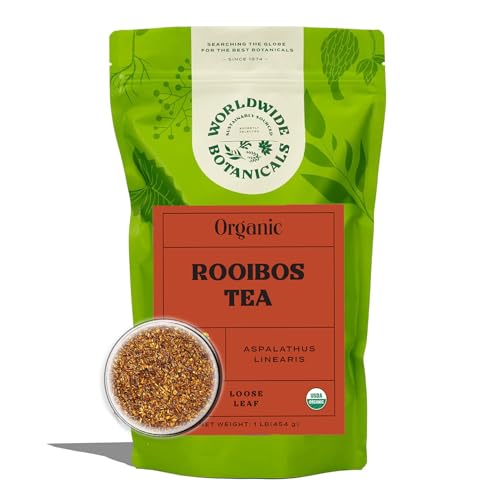
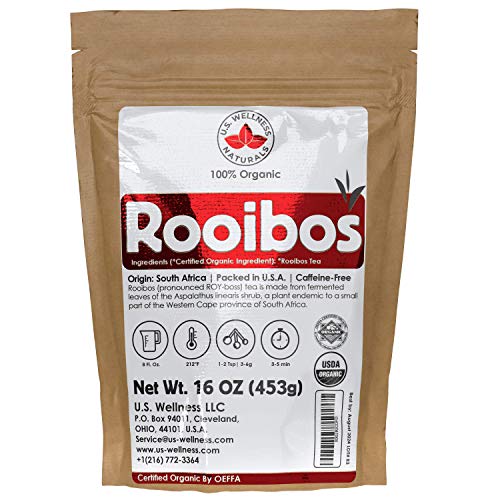
Rooibos only grows in the Cedarberg region of South Africa’s Western Cape, so origin labeling is largely about transparency rather than variety. Look for explicit references to South Africa or the botanical name Aspalathus linearis on the listing. Leaf grade matters as well: some products describe cut-and-sifted leaf, while others claim premium leaf with no stems or branches, which can change the clarity and sweetness of the brewed cup. Among the selected options, Worldwide Botanicals documents the botanical name, Rooibos Rocks emphasizes a no-stems grading, and Davidson’s Organics highlights vertically integrated South African sourcing.
Organic and purity standards
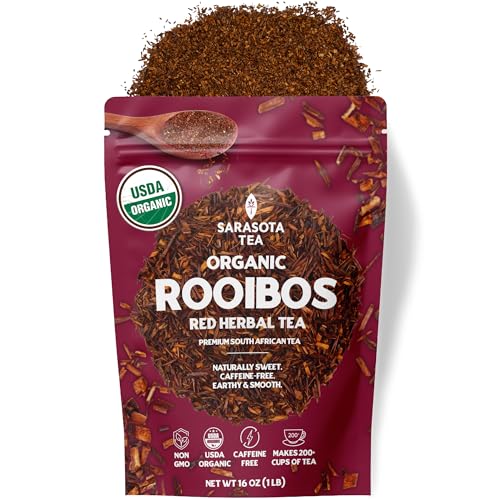
USDA organic certification is the most common standard in this category, and several selected products carry both organic and non-GMO language. A single-ingredient declaration, with no preservatives, colorants, or artificial flavors, is also a useful sign of purity. Organic Positively Tea Company and Sarasota Coffee & Tea Co. both list 100% organic rooibos with no additives, while FGO documents USDA organic and Non-GMO Project certification on the same bag.
Package and freshness design
Loose leaf teas lose aroma quickly when exposed to air, so the package matters. Resealable pouches and tins tend to protect leaf integrity better than open bags. Among the ten products here, Worldwide Botanicals, FGO, and Rooibos Rocks highlight resealable or protective packaging in different formats, while The Tao of Tea offers a compact 4-ounce tin for smaller-volume drinkers.
Rooibos works well hot, iced, and as a base for milk drinks, so package size and leaf format influence how often you brew. A 1-pound bag suits daily households, while 4-ounce tins and 8-ounce pouches work for sampling or smaller kitchens. Plain rooibos gives you full control over strength, while blended options add complexity without extra effort.
Blended options for variety
Pure rooibos is naturally sweet, earthy, and slightly nutty, but several producers blend it with botanicals or spices for a different flavor direction. If you want a flavored option without leaving the rooibos category, look at blends that keep rooibos as the base ingredient.
Final recommendation
Worldwide Botanicals Organic Red Rooibos, 8 oz ranks first overall in this specification-based comparison under the published weighted criteria.
The final choice among the best loose leaf rooibos tea depends on the documented features that match your intended use.
After comparing the ten options on origin, leaf grade, organic certifications, packaging, format, and blend design, Davidson’s Organics South African Rooibos stands out as the first overall specification-based choice because of its documented South African sourcing, USDA organic status, and traditional single-origin leaf profile. For everyday bulk brewing, Organic Positively Tea Company, FGO Organic Rooibos, and Sarasota Coffee & Tea Co. each pair organic certification with a 1-pound loose leaf format, giving you dependable top loose leaf rooibos tea options across single-origin, blended, and bulk styles.
Frequently Asked Questions
What should I look for when choosing the best loose leaf rooibos tea?
Focus on origin, organic certification, leaf grade, and packaging. Explicit South African sourcing or the Aspalathus linearis botanical name helps confirm authenticity, while USDA organic and non-GMO certifications signal purity. Resealable packaging protects aroma, and a 1-pound bag suits daily brewing while smaller tins work for sampling.
Is plain rooibos better than blended rooibos?
Neither is objectively better. Plain rooibos gives you a clean, naturally sweet cup and full control over strength and additions. Blended options, like chai-spiced rooibos or botanical mixes, add complexity if you prefer flavored teas. Choose based on whether you want to customize each cup or prefer built-in flavor.
How does leaf grade affect the brewed cup?
Cut-and-sifted rooibos is standard and produces a balanced cup. Premium grades that exclude stems and branches can brew a smoother, less astringent result because stems contribute more tannin. Listings that mention leaf grade, such as Rooibos Rocks’ no-stems claim, can help you find a cleaner profile.
What is the difference between fermented and unfermented rooibos?
Fermented (red) rooibos is the traditional style with a deep red color and earthy, honeyed notes. Unfermented (green) rooibos is lighter in color with a grassier, more delicate flavor. Most products in this guide are the fermented red style, including Worldwide Botanicals and Davidson’s Organics.
Can I use loose leaf rooibos for iced tea and milk drinks?
Yes. Rooibos has a full body and low tannin content, which makes it well suited to iced brewing, cold brewing, and adding milk. Listings from Soeos and Sarasota Coffee & Tea Co. explicitly mention hot and iced brewing, while Worldwide Botanicals notes that rooibos pairs well with milk similar to black tea. This versatility makes top loose leaf rooibos tea options a strong base for both hot cups and cold pitchers.