Buying Guide
Choosing the best marching drumsticks starts with matching your stick to the drum you play and the ensemble you march in. Snare, tenor, and bass roles each have unique demands, and your stick choice can shape how easily you project, rebound, and articulate. The top marching drumsticks in this guide are listed using public specifications such as length, diameter, taper, tip, and material, so the comparison reflects what each design offers on paper rather than claims about feel in the hands.
Understanding Shaft Length and Diameter
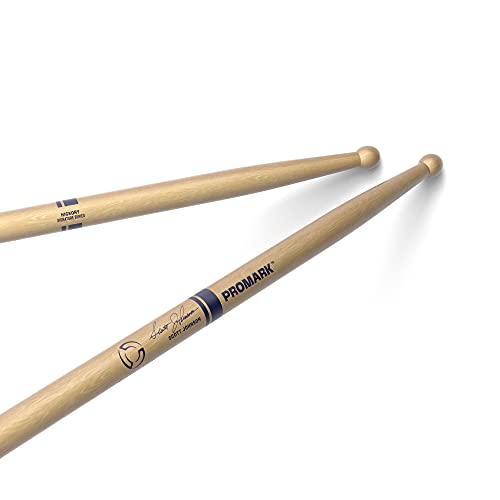
Most marching snare sticks sit around 17 inches long with a diameter near .700 inches, while multi-tenor sticks typically range from 15.75 to 16.75 inches. Bass and cymbal sticks vary more widely. The Vic Firth STH4 Corpsmaster and the ProMark Scott Johnson FireGrain, both 17-inch by .700-inch models, fit standard snare line sizing. The Vaisoeny Marching Drum Sticks break from the norm with a 16.25-inch length and 0.8-inch diameter, adding extra weight for high-intensity rudimental work. The Vic Firth MS1 Corpsmaster sits at 16.5 inches by .695 inches, offering a slightly slimmer profile for players who prefer a more controlled feel.
Taper and Rebound Mechanics
Taper is the single biggest factor in how a stick feels when it leaves the drum. A short taper pushes weight toward the tip, producing strong rim shots and accents with a heavier hand. The Vic Firth STH4 Beast uses a short taper for that reason, while the Vic Firth MS1 also opts for a shorter taper to prioritize power. Long tapers shift weight toward the back of the stick, which can feel nimbler. The Vic Firth Corpsmaster Mike Jackson SMJ uses a long taper with a reverse taper to put more weight forward, accelerating rebound for fast passages. The ProMark Drums Stick - Scott Johnson FireGrain uses a medium taper, landing between the two extremes.
Tip Shape and Articulation
Tip choice shapes the snare’s voice. Round wood tips, like those on the ProMark Scott Johnson FireGrain and the Vic Firth MS5, produce a balanced, focused sound on the head. Oval tips, like the Vaisoeny Marching Drum Sticks and the Vic Firth MS1, spread contact across the head, deepening the tone. Large barrel tips, like the Vic Firth SRHTS Multi-Tenor and the Vater MV7, project a fuller voice that suits tenors or drum lines seeking a wide-spread tone.
Material, Build, and Finishes
Almost every stick in this list uses American hickory for its resilience and shock absorption. The Vic Firth STH4 Beast, the Vic Firth Corpsmaster Mike Jackson SMJ, and the Vic Firth MS1 all feature premium USA hickory construction. Finishes vary: lacquered shafts, like the Vic Firth SRHTS, offer a smooth grip, while painted shafts, like the Vic Firth MS5 and the ProMark Scott Johnson White Painted, deliver a distinct tactile feel. The ProMark FireGrain treatment adds a toughened surface for heavy use.
Matching Sticks to Playing Role
Snare drummers typically need a longer stick with a forward-weighted feel and a strong tip. The Vic Firth STH4 Beast, the Vic Firth Corpsmaster Mike Jackson SMJ, the ProMark Scott Johnson FireGrain, the Vic Firth MS1, the Vic Firth MS5, the ProMark Scott Johnson White Painted, and the Vater MV7 each support that role with different profiles. Tenor players, in contrast, look for shorter sticks with elongated tapers and large tips.
Different performance spaces reward different design choices. Outdoor field shows demand powerful sticks with reinforced shoulders and strong tip definition. The Vic Firth STH4 Beast adds a higher shoulder to reinforce the rim-shot zone, while the Vaisoeny Marching Drum Sticks use a 0.8-inch diameter for sustained high-tension playing. Indoor percussion activities often call for lighter, more articulate sticks. Visual drumlines may prioritize brighter finishes, which is where the ProMark Scott Johnson White Painted earns its place.
Practice, Training, and Skill Building
For tone and endurance drills, the best marching drumsticks are often a step heavier than your performance pair. The Vic Firth Ralph Hardimon Hammer SRH2 uses a dense Sta-Pac laminated build to add weight and build strength during practice.
Final recommendation
Vic Firth STH4 Corpsmaster Beast Snare Drumsticks ranks first overall in this specification-based comparison under the published weighted criteria.
The final choice among the best marching drumsticks depends on the documented features that match your intended use.
For a specification-based comparison, the Vic Firth STH4 Corpsmaster Beast Snare Drumsticks top the list because the listed 17-inch length, .700-inch diameter, forward shoulder, and short taper combine to address the key demands of modern marching snare. The Mike Jackson SMJ comes in close behind with a long taper and thick shoulder design, while the ProMark Scott Johnson FireGrain delivers a US-made hickory workhorse with a classic round tip. These three top marching drumsticks cover the spectrum from power projection to balanced rebuild, and any of the ten options in this guide can serve a different role, from championship snare to tenor rig to focused endurance training. Pick the stick whose shape, taper, and tip match the music you play and the ensemble you march with, and the stick will handle the rest.
Frequently Asked Questions
What makes the best marching drumsticks different from concert sticks?
Marching sticks are typically longer and thicker, with diameters often around .700 inches, and they use shorter or longer tapers to project on a field. The Vic Firth STH4 Beast and the Vic Firth Corpsmaster Mike Jackson SMJ both illustrate this with a 17-inch length and hickory construction aimed at outdoor use.
Which diameter is standard for a marching snare line?
.700 inches is the most common snare diameter, and you can see it in the ProMark Scott Johnson FireGrain, the ProMark Scott Johnson White Painted, and the Vic Firth STH4 Beast. The Vic Firth MS5 sits slightly thicker at .705 inches, while the Vic Firth MS1 sits slightly thinner at .695 inches.
How do I choose between a round tip and an oval tip for marching snare?
Round tips, like the ProMark Scott Johnson FireGrain, produce a focused, articulate response. Oval tips, like the Vic Firth MS1 and the Vaisoeny Marching Drum Sticks, spread contact for a fatter, more resonant tone. Your choice depends on whether your ensemble wants a narrower or wider attack.
What stick should I use for multi-tenor drums?
Multi-tenor drums call for shorter sticks with elongated tapers and large tips.
Are heavier training sticks worth using for endurance work?
Using them for regular practice can make lighter performance sticks feel easier to control when you switch back.