Buying Guide
The best plastic garden trellises are not all built for the same job. A wall panel, netting roll, raised planter, and small pot insert can all support climbing plants, but they differ in height, anchoring, coverage, and space requirements. Start by identifying the plant and growing location before comparing pack size or appearance.
Match the structure to the planting space
For a permanent wall or patio display, the Dura-Trel Cambridge Vinyl Trellis is the clearest fit. Its documented 28-by-75-inch dimensions and classic grid form give climbing stems a defined surface. Because the product is wall mounted, the installation surface matters. It is not the same as a freestanding support that can be pushed into a bed.
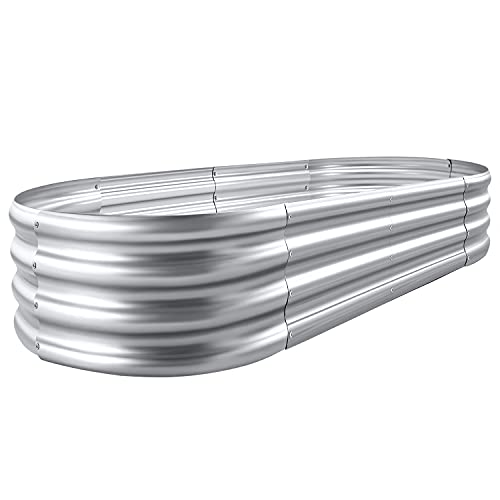
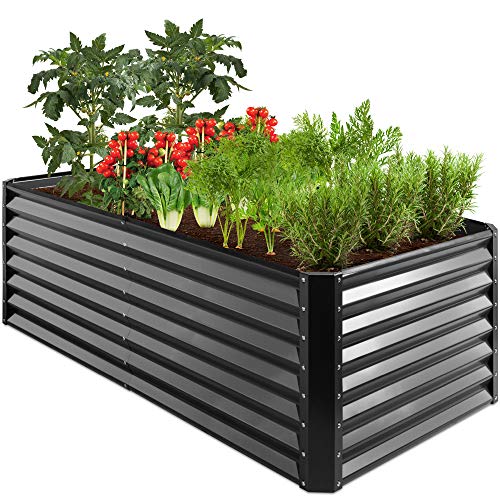
The Diyfire Raised Planter with Integrated Trellis combines a planting container with a tall trellis and privacy-screen function. This can simplify a contained installation, but it also requires more floor space than a standalone insert. Measure the intended location, including room for access around the planter.
For beds and large containers, the Kalolary 5-Foot Adjustable Plastic Trellis Set is more adaptable. Its three screen-style pieces can be assembled into different shapes, and the listing identifies use in garden beds, raised planters, and large pots. The supplied guidance recommends pushing the bottom stakes at least 10 centimeters into soil, so consider soil depth and firmness before selecting this style.
Choose rigid panels or flexible netting
Rigid plastic frames create a visible, defined support. They are useful when the trellis is part of the garden’s appearance or when the plant needs a clear surface to climb. Stackable mini trellises also fall into this broad category, but their smaller sections are intended for pots and compact plants rather than long vegetable rows.
Netting is a different solution. The Aticca Heavy-Duty Plastic Trellis Netting provides a 79-inch by 328-foot roll with 6-inch mesh. The HHTHH netting provides a 5-by-100-foot HDPE roll with approximately 5.9-inch mesh and a listed UV absorber. Both can cover more area than a small rigid panel, but neither is a complete freestanding frame. You must attach the netting to stakes, a fence, an A-frame, or another stable structure.
Flexible netting is useful when the growing arrangement changes from season to season. It can be cut to fit and used vertically or horizontally when the listing supports those configurations. Plan the attachment points first; a large roll still needs suitable tension and anchoring to hold its intended shape.
Consider height and expansion
Height is an important specification for climbing plants. The Dura-Trel panel is listed at 75 inches high, the Diyfire combination reaches 73.8 inches, and the Kalolary set is described as 5 feet tall. These formats are better suited to vines that need substantial vertical room than a single mini trellis.
Compact supports offer a different advantage: expansion. The Jashem set can connect upward or side by side, while the Qaobo six-pack has a stated single-section height of 14.17 inches and a connected height of 22.44 inches. The Feitore 12-piece set and UWIOFF 12-piece set also support stacking. This lets the gardener begin with a smaller support and add sections as the plant develops, though the supplied evidence does not establish a maximum safe load for these mini products.
The Qaobo branch-style four-pack is suited to broad-leaf houseplants and styled displays. Its branch-like appearance may blend more naturally with foliage than a rectangular grid. Use the included wire to guide stems rather than assuming the plastic structure alone will control every branch.
Review material details carefully
“Plastic trellis” can describe several constructions. The Dura-Trel product is identified as PVC, while the Jashem, Feitore, Qaobo, and UWIOFF products identify plastic or PP plastic. The netting options specify materials such as HDPE or sun-resistant plastic. These details help separate a true plastic support from a metal frame that merely has a plastic coating.
The supplied listings describe durability in different ways. Dura-Trel documents resistance to fading, cracking, peeling, and discoloration plus a long manufacturer warranty. HHTHH lists a UV absorber and resistance to heat and cold. Other products describe durable or weather-resistant plastic without providing a comparable test standard. Treat those claims as specification information, not as a guarantee of service life in every climate.
Plan installation before ordering
Installation requirements vary widely. A wall-mounted panel needs a suitable surface. A planter requires assembly and a level location. Staked screen frames need enough soil depth. Netting needs a separate support system. Mini trellises are generally inserted into potting soil or garden soil, and some can also be secured near a wall or fence.
For containers, check the pot’s depth and width against the trellis footprint. A tall plant support may need additional stabilization in a lightweight pot, especially as foliage becomes dense. For vegetable beds, consider whether the frame allows access for pruning and harvesting. Mesh sizes around 6 inches can provide openings for reaching through, but final usability also depends on how the net is installed.
Final recommendation
Aticca Heavy-Duty Plastic Trellis Netting ranks first overall in this specification-based comparison under the published weighted criteria.
Aticca Heavy-Duty Plastic Trellis Netting is the highest-scoring returned product and the first overall specification-based choice among these best plastic garden trellises. It combines extensive documented coverage, a 6-inch mesh, cut-to-size flexibility, and several supported layouts. The top plastic garden trellises for other settings are more specialized: choose Kalolary for adjustable vegetable frames, Diyfire for a planter-and-trellis setup, Dura-Trel for a fixed wall display, HHTHH for UV-treated netting, and the stackable Jashem, Feitore, Qaobo, or UWIOFF supports for pots and compact plants.
The right choice depends on whether you need a permanent wall display, self-contained planter, freestanding screen, cut-to-size net, or small support that can grow with a container plant. Compare the documented dimensions with the available space, then confirm how the product will be anchored before buying.
Frequently Asked Questions
What are the best plastic garden trellises for cucumbers and tomatoes?
The Kalolary 5-Foot Adjustable Plastic Trellis Set is the most directly aligned with cucumbers, tomatoes, peas, and beans among the selected products. It provides three tall screen-style pieces and can be assembled into different shapes. The Aticca and HHTHH netting options are also suitable when you already have a frame or other structure for attachment. Their larger coverage can serve rows, but the net itself does not replace the frame.
Are plastic trellises suitable for raised beds?
Yes. The Diyfire product is a raised planter with an integrated trellis, while Kalolary is listed for raised planters and garden beds. The Aticca and HHTHH netting can also work over a raised bed when properly anchored to a compatible support. Check the product’s installation method and the bed’s available width before choosing.
Which compact trellis works best for potted plants?
The answer depends on plant size and desired appearance. UWIOFF and Feitore offer compact multi-piece sets for small pots and young climbing plants. Qaobo’s six-pack gives a taller expandable option, while the Qaobo branch-style product is aimed at broad-leaf houseplants and decorative displays. Jashem is useful when you want to connect sections both upward and side by side.
Do plastic trellis panels need to be anchored?
Usually, the installation method determines the answer. The Dura-Trel panel is wall mounted. The Kalolary screen uses bottom stakes inserted into soil. Netting requires a separate support structure and attachment points. Mini trellises are inserted into soil or secured near a wall or fence. A tall support may need additional stabilization in loose soil or a lightweight container, but the supplied listings do not specify universal anchoring hardware.
Is netting better than a rigid plastic trellis?
Neither format is universally better. Netting offers cut-to-size coverage and can suit vertical, horizontal, or A-frame layouts when attached to a structure. A rigid trellis provides a defined shape and may be easier to incorporate into a decorative planting area. Use the Aticca or HHTHH formats when coverage and adaptability matter most; use a rigid panel or frame when you want a self-defined visual structure.