Buying Guide
The best platinum spark plugs are not interchangeable simply because they share a platinum label. Thread dimensions, reach, heat range, electrode arrangement, gap, and engine application determine whether a plug is appropriate. The listings in this comparison show several distinct designs: single-platinum fine-wire plugs, double-platinum plugs, G-Power models, a Laser Platinum model, and a twin-tip design.
This is a specification-based comparison using supplied public listing data. It does not report hands-on testing or customer opinion. Treat every feature below as a listing claim or specification, and confirm the exact application before installation.
Start with the vehicle application
Fitment is the first filter. A plug that matches a vehicle family may still be wrong for a particular engine, trim, model year, or required quantity. NGK specifically advises researching the application, including engine, trim level, and quantity. Bosch’s detailed listings also note that engine affects fitment, even when they provide long compatibility tables.
Use the exact part number from the vehicle manufacturer’s service information, owner documentation, or a reliable application catalog. Then compare that number with the listing’s model or item part number. Examples in this guide include Bosch 8121, Bosch 8103, NGK TR5GP, NGK BKR5EGP, Denso PK16TT, and Bosch 6704. These identifiers are more useful than choosing by brand name alone.
Compare single and double platinum layouts
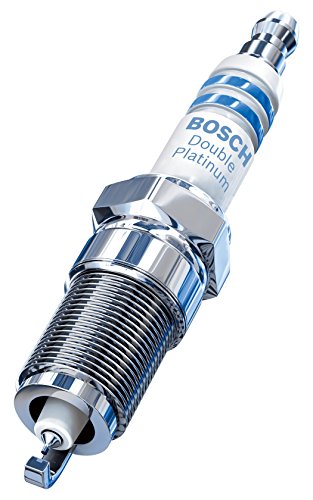
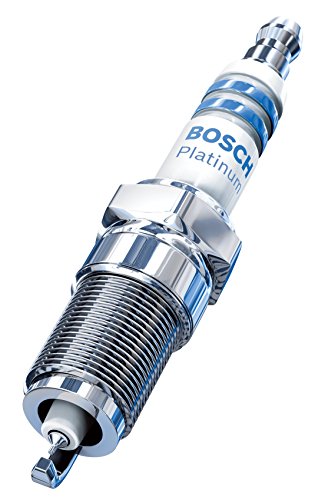
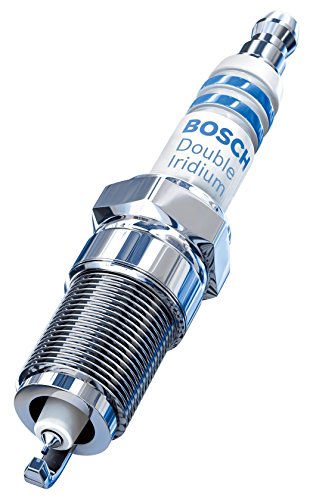
Platinum placement matters. The Bosch 6707, Bosch 6711, and Bosch 6704 listings describe a platinum firing pin with a yttrium-enhanced ground electrode, placing them in a single-platinum fine-wire category. Bosch 8121, Bosch 8103, and Bosch 8110 identify both a platinum firing pin and a ground-electrode inlay, documenting a double-platinum arrangement.
A double-platinum plug may be the correct design for an engine that specifies it, but the evidence here does not support treating every double-platinum model as universally preferable. The correct construction is the one that matches the vehicle’s required part specification. Check the exact plug family and part number rather than assuming that more platinum automatically means better compatibility.
Look at electrode geometry
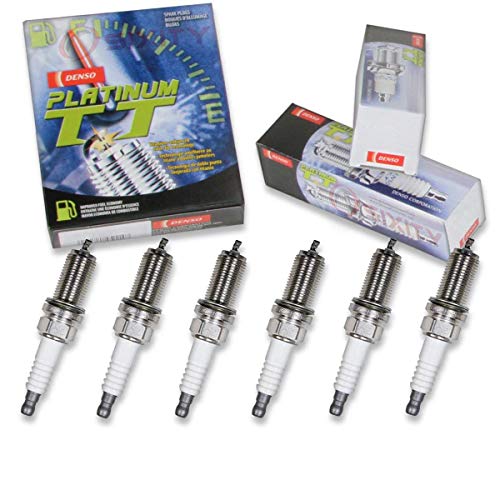
Electrode shape is one of the clearest differences among these products. Denso PK16TT uses a documented Twin-Tip Structure with a 1.1 mm platinum center electrode, laser welding, and a titanium-enhanced ground electrode. NGK BKR5EGP uses a trapezoid-cut ground electrode, while the Bosch fine-wire products emphasize a continuous laser-welded fine-wire firing pin.
These designs are useful comparison points because they are concrete listing details, not vague category labels. A fine-wire firing pin, twin-tip layout, or trapezoid-cut ground electrode can distinguish one model from another. However, the supplied evidence does not establish a universal winner for every engine. Electrode design should be considered alongside the specified gap, heat range, reach, and application.
Consider corrosion and sealing features
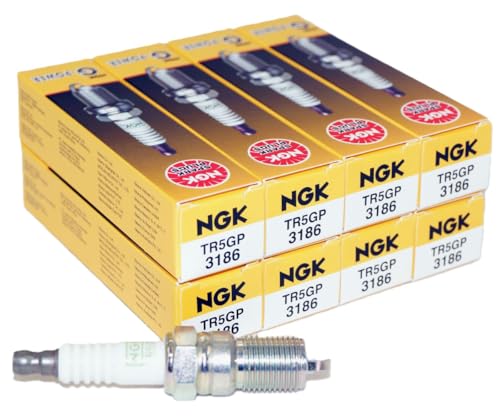
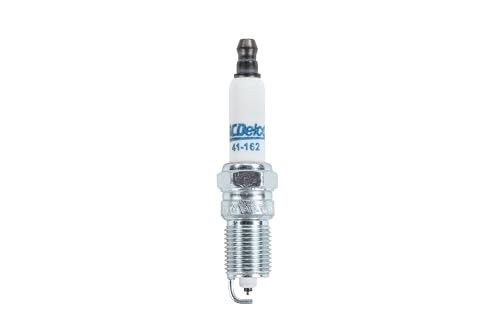
Plugs operate in a hot, exposed area of the engine, so construction details related to corrosion, sealing, and removal can be relevant. NGK BKR5EGP lists trivalent metal plating for anti-corrosion and anti-seizing properties, corrugated ribs, and a pure alumina silicate ceramic insulator. NGK TR5GP lists a patented triple-gasket sealing process and resistance to carbon buildup and pre-ignition.
Bosch 6711 and Bosch 6704 add nickel-plated rolled threads, ribbed insulators, and factory pre-gapping in their supplied descriptions. Bosch’s fine-wire listings also identify corrosion resistance as a benefit of the continuous laser-welded firing pin. These features should be read as documented construction claims, not as guarantees of a particular service outcome.
The insulator is another useful specification area. NGK BKR5EGP identifies pure alumina silicate ceramic and says it provides strength and heat transfer. Bosch 6711 and Bosch 6704 describe ribbed insulator designs intended to keep oil, grime, and debris away from the plug wire or coil-on-plug boot. NGK TR5GP and NGK TR5GP also emphasize heat-range or ignition-related design language, though the supplied listings do not provide independent measurements.
When comparing the best platinum spark plugs for a specific vehicle, prioritize the features that correspond to the original plug specification. A documented insulator design is helpful, but it does not override an incorrect heat range or physical fit.
Match pack quantity to the engine
Pack quantity varies across the selection. Bosch models in this guide are generally listed in packs of four, NGK BKR5EGP and Denso PK16TT are listed in six-piece quantities, and NGK TR5GP is listed as an eight-pack. NGK BKR6EP-11 is listed as a four-piece set.
Count the engine’s required plugs before selecting a pack. Quantity is a practical listing detail, but it is not evidence that one model is mechanically superior. Also check whether the listing’s unit count reflects the individual plug or the full pack, since supplied specifications can present those fields differently.
A practical selection checklist
First, identify the exact engine and required plug number. Second, confirm thread and physical fitment through the vehicle-specific application information. Third, match platinum placement and electrode design to the specified replacement. Fourth, compare useful construction details such as laser welding, plating, sealing, ribbing, and ceramic material. Finally, verify pack quantity and any required gap information before installation.
The top platinum spark plugs in this guide are therefore ranked by the amount and usefulness of their documented category-specific evidence, not by a claim that one design fits every vehicle.
Final Recommendation
Among the top platinum spark plugs, the ranked products differ under documented platinum construction, electrode design, durability and corrosion features, ignition and insulator features, and fitment and pack clarity.
Bosch 8103 OE Fine Wire Double Platinum ranks first overall in this specification-based comparison under the published weighted criteria.
Bosch 8121 OE Fine Wire Double Platinum is the first overall specification-based choice among the best platinum spark plugs listed here because it combines clearly documented double-platinum construction, a fine-wire firing pin, continuous laser welding, and corrosion-focused design details. Bosch 8103 and Bosch 8110 offer closely related double-platinum construction, while NGK 7090 stands out for its detailed electrode, plating, and ceramic-insulator specifications.
For a twin-tip design, Denso PK16TT supplies the clearest evidence. For a G-Power option, NGK BKR5EGP gives the most detailed construction description, while NGK TR5GP adds a stated wide heat-range design and triple-gasket sealing. Bosch 6711 and Bosch 6704 are useful when their documented pre-gapping, insulator, thread, and application details match the engine. Always make the final decision from the exact vehicle application and part number.
Frequently Asked Questions
What are the best platinum spark plugs for every vehicle?
There is no single universal answer. The correct plug depends on the engine’s required part number, heat range, reach, gap, and electrode design. Among the products compared here, Bosch 8121 has the most complete double-platinum fine-wire description, but that does not make it appropriate for every engine. Confirm application-specific information before installation.
Is double platinum automatically better than single platinum?
Not necessarily. Double platinum means the listing identifies platinum at both the firing pin and ground-electrode inlay, as with Bosch 8121 and Bosch 8103. Single-platinum fine-wire products such as Bosch 6707 and Bosch 6711 use a different documented construction. The vehicle’s specified plug design should control the choice rather than a general assumption about platinum quantity.
What does a fine-wire platinum firing pin mean?
A fine-wire firing pin is a narrow electrode design. Bosch listings describe a 360-degree continuous laser-welded fine-wire platinum firing pin and connect it with corrosion resistance and ignitability. The supplied evidence supports describing the construction, but it does not establish a measured improvement for every engine or driving condition.
Should a factory pre-gapped plug be checked?
Yes. Bosch 6711 and Bosch 6704 state that the plugs are pre-gapped at the factory. Even so, compare the listed or measured gap with the vehicle’s required specification before installation. Pre-gapping is a product feature, not a substitute for application verification.
How do I choose among the platinum spark plugs in different pack sizes?
Begin with the required number of cylinders and the manufacturer’s replacement interval or service instructions. Then confirm the exact model and quantity in the listing. This guide includes four-, six-, and eight-piece packs, so pack size should be matched to the engine rather than used as a quality ranking.