Buying Guide
Selecting the best copper spark plugs is primarily a fitment and specification task. Copper terminology alone does not identify the correct plug for every engine. The part number, heat range, thread dimensions, reach, seat design, terminal style, and specified gap must match the engine manufacturer’s requirements. The products in this comparison vary from single plugs to larger sets and from broad legacy fitment listings to narrow engine-specific applications.
Start with the exact part number
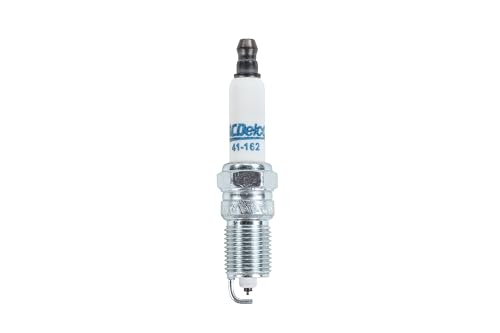
Use the old plug, service information, or a vehicle parts lookup to identify the required number before comparing features. A product can be a genuine copper spark plug and still be unsuitable if its heat range or physical dimensions differ. The ACDelco CR43TS entries, for example, share a model designation but appear in different pack configurations and carry different item part numbers. Treat the model and item number as separate details to verify.
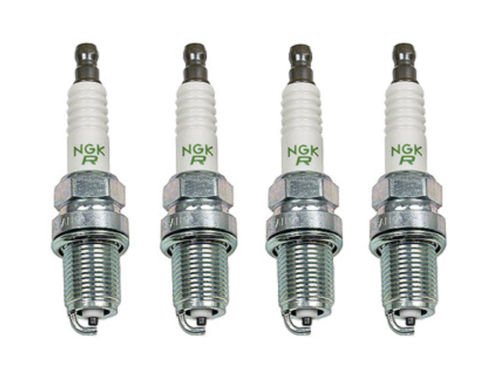
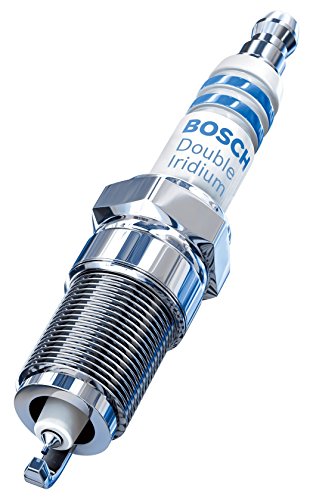
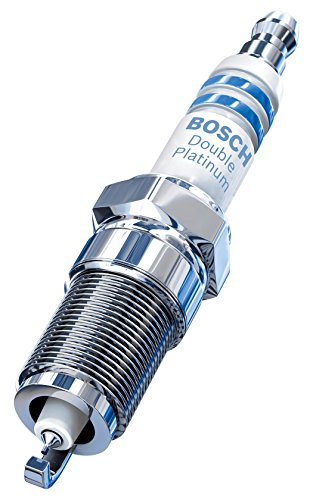
The NGK BKR5E listing identifies both the 7938 item number and the BKR5E model family. The NGK TR6 listing supplies 4177 and TR6 identifiers. The Bosch 7911 listing uses 7911 as the item reference while showing a model value of 242225599. Record the complete identifier rather than relying on brand or plug family alone.
Check copper construction language
Copper plugs commonly use copper in the core or electrode construction, but listing language is not uniform. ACDelco explicitly describes its copper core as providing heat transfer and helping maximize durability. NGK directly labels the TR6 set as copper core and the BKR5E listing as a copper spark plug. Bosch describes its 7911 as copper with nickel.
These descriptions establish category relevance, but they do not prove a particular service interval or measured performance outcome. The specification-based approach here gives more credit to listings that explain the construction rather than assuming that every conventional plug has identical materials or design details.
Consider corrosion protection
Corrosion-related features matter when plugs face moisture, marine use, storage, or difficult removal conditions. The ACDelco CR43TS products document Black Onyx coating and nickel-chrome alloy sheathing on the center electrode. The ACDelco R44T listing also identifies nickel-chrome sheathing and explicitly includes marine applications. NGK BPMR7A documentation mentions trivalent metal plating and describes it as corrosion resistant.
The Bosch listing confirms copper with nickel but does not provide the same level of coating detail. That does not establish that the product lacks protection; it only means the supplied evidence is less specific. Compare documented features rather than filling gaps with assumptions.
Review ignition-control details
Some listings describe features intended to manage electrical resistance, flash-over, or misfire conditions. ACDelco identifies a ribbed suppressor seal on the CR43TS and R44T products and states that it helps prevent spark flash-over and misfires. This is more useful decision evidence than a general performance phrase because it names a specific design feature and its stated purpose.
NGK BPMR7A documentation refers to application-specific electrode technology and OE specifications for fit, form, and function. The BKR5E and TR6 listings are more concise, so their scores rely more heavily on their part identity and copper designation. Do not interpret a shorter listing as proof of inferior construction; use it as a reason to verify additional information from the manufacturer or service documentation.
Match the pack to the job
Pack quantity is a practical specification, not a quality ranking. Single-plug options such as the ACDelco Gold CR43TS can suit a targeted replacement, while the ACDelco GM Original Equipment CR43TS four-pack may align with a four-cylinder application if fitment calls for it.
Each listing supplies a model-year and engine range, and each uses a six-piece pack. That quantity fits the listed six-cylinder applications, but it should not be generalized to another engine without checking the required number of plugs.
Treat fitment claims as a starting point
The Bosch listing covers many older vehicles, yet its long compatibility list still needs to be compared with the exact vehicle. NGK BKR5E and BPMR7A products also require part-number confirmation because a similar-looking plug may have different dimensions or heat characteristics.
For marine equipment, the ACDelco CR43TS and R44T listings document marine use, which is useful application evidence. It is not a substitute for the equipment manufacturer’s required number. Before installation, compare the old plug, confirm the engine specification, and follow the recommended gap and installation procedure.
Use the evidence hierarchy
When two products appear similar, prioritize exact fitment, complete part identification, documented construction, and relevant protective features. A detailed listing is easier to evaluate, but missing information should lead to verification rather than speculation. This method favors the best copper spark plugs for a specific documented application instead of treating one plug as universally suitable.
Final Recommendation
ACDelco GM Original Equipment CR43TS ranks first overall in this specification-based comparison under the published weighted criteria.
The final choice among the best copper spark plugs depends on the documented features that match your intended use.
ACDelco GM Original Equipment CR43TS is the highest-scoring returned product and the first overall specification-based choice. It documents copper-core heat transfer, Black Onyx coating, nickel-chrome sheathing, and a ribbed suppressor seal, while also identifying GM and marine applications. The four-pack format adds practical clarity when the documented application calls for four plugs.
For a direct-replacement listing with a clear NGK part family, NGK BKR5E is a suitable alternative. Bosch 7911 stands out when its broad older-vehicle fitment list matches the application. The ACDelco R44T is the more focused marine-use option, while NGK BPMR7A addresses a smaller two-plug application with documented trivalent plating.
These are not interchangeable recommendations; each should be limited to the listed application. The top copper spark plugs in this group are therefore best understood as part-number-specific options, not universal substitutes.
Frequently Asked Questions
Are copper spark plugs suitable for every engine?
No. Copper construction does not by itself establish compatibility. Check the required part number, heat range, dimensions, terminal configuration, and gap. The NGK BKR5E, NGK TR6, and ACDelco CR43TS examples show why model identifiers matter even when products share a copper designation.
Which best copper spark plugs have the clearest corrosion documentation?
The ACDelco CR43TS listings document Black Onyx coating and nickel-chrome sheathing. The ACDelco R44T also documents nickel-chrome sheathing and marine applicability. NGK BPMR7A specifies trivalent metal plating and describes it as corrosion resistant. These are listing-based observations, not independent corrosion tests.
How do I choose between a single plug and a multi-piece set?
Match the quantity to the repair and the engine’s required plug count. Confirm the count required before ordering or installing.
What should I verify before installing a copper plug?
Verify the complete part number and application first, then check thread size, reach, seat, terminal style, heat range, and recommended gap against service information. Inspect the plug and follow the engine manufacturer’s installation guidance. A listing’s pack size or copper description cannot replace those checks.