Buying Guide
Picking the best united states local history books for teens is easier when the shelf mixes national overviews with city and state titles. Each format supports a different kind of learning, so the picks below are organized by what kind of history reader you are shopping for.
Match the scope to the reader’s interest
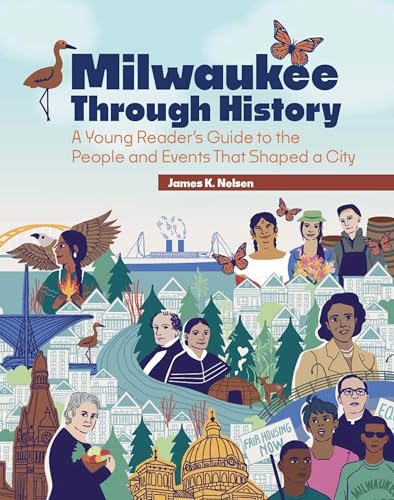
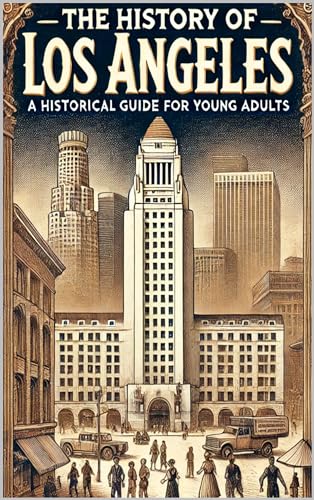
Some teens gravitate toward a single city, others want every state, and a few want the full national story first. Titles like The History of Los Angeles and Milwaukee Through History anchor on one city, which is useful when a teen has a personal connection or a school assignment tied to that place. Exploring the 50 States Activity Workbook and The History of Each of Our United States spread attention across all 50 states, which works well for browsers and geography learners. US History for Teens leans the other way, giving a national overview that can serve as a base before branching into regional reads.
Format shapes how a teen actually engages with the material. Activity workbooks such as Exploring the 50 States Activity Workbook turn map skills and state facts into fill-in exercises, which can suit hands-on learners. Fact-driven titles like Super Interesting Facts About America For Kids use short entries and quizzes, which can help reluctant readers build momentum. Narrative-leaning titles such as When Can We Go Back to America? and The American Civil War for Teens lean into storytelling and primary voices, which can suit teens who already like long-form history reading.
Look at age framing and series positioning
Many of the best united states local history books for teens are explicitly placed in a teen or young-adult series, which signals intended reading level. Books in series like Real-Life History for Teens, Past for Teenagers, and History for Teens and Young Adults are framed with vocabulary and pacing tuned for secondary-school readers. The History of Each of Our United States is positioned within a U.S. History for Young Learners line, which may suit slightly younger teens and strong upper-elementary readers. Series positioning is a useful proxy when page-level reading data is not available.
Weigh publisher and source backing
For topics that involve sensitive or specialized history, the publisher’s track record matters. Wisconsin Historical Society Press on Milwaukee Through History and Simon and Schuster Books for Young Readers on When Can We Go Back to America? bring institutional or major-trade credibility to their subjects. Independently published titles can still be strong, but they typically come with lighter editorial vetting, so it is worth checking reviews of accuracy before relying on them for schoolwork.
Choose the right binding for the use case
Hardcover titles like When Can We Go Back to America? tend to be heavier but more durable, which suits a long-term reference shelf. Standard 6 by 9 inch paperbacks, used by several entries here, are the most portable for everyday reading. Kindle editions, including The History of Los Angeles and Milwaukee Through History, are convenient on a tablet but harder to share in a classroom. Activity workbooks with 8.5 by 11 inch pages, like Exploring the 50 States Activity Workbook, give more writing room but are bulkier to carry.
Final recommendation
Exploring the 50 States Activity Workbook ranks first overall in this specification-based comparison under the published weighted criteria.
The American Civil War for Teens is the first overall specification-based choice among these best united states local history books for teens because it pairs a teen-tuned series framing with strong Topic Depth and readability for the broader list. For readers who already love conflict-era narrative, it works as a national anchor; for those who want to branch into local and regional reads, it sets up well alongside city-specific titles like The History of Los Angeles and Milwaukee Through History, and statewide reads like The History of Each of Our United States. Together, those picks cover the top united states local history books for teens across national, state, and city scopes while staying within the evidence shown for each product.
Frequently Asked Questions
Among the best united states local history books for teens, what makes a United States local history book a good fit for teens?
The most specification-aligned picks pair a clear local or regional focus with age-appropriate language, design, and pacing. Titles in teen-targeted series such as Real-Life History for Teens or Past for Teenagers signal that framing, and workbook-style options like Exploring the 50 States Activity Workbook add hands-on practice that suits younger teens.
Should a teen start with a national overview or a state or city title?
A national overview such as US History for Teens works well as a foundation before moving into regional reading. After that, single-state or single-city titles like The History of Los Angeles, Bold Women in Montana History, or Milwaukee Through History give a more concrete sense of how history played out in one place.
Are independently published local history titles reliable for school use?
They can be, but they typically lack the editorial vetting of major trade or institutional presses. For school projects, it helps to cross-check claims, especially in fact-dense books like Super Interesting Facts About America For Kids, and lean on publisher-backed titles such as Milwaukee Through History for higher-stakes assignments.
Short-entry and activity formats tend to lower the barrier to entry. Super Interesting Facts About America For Kids uses trivia quizzes, while Exploring the 50 States Activity Workbook uses map exercises, and both are useful when a teen is just starting to engage with the subject.
How do you choose between a Kindle edition and a paperback for a teen?
Kindle editions such as The History of Los Angeles and Milwaukee Through History are convenient for travel and adjustable text, while paperbacks like The American Civil War for Teens and Bold Women in Montana History are easier to share in a classroom and do not require a device. For repeated reference and note-taking, a paperback or hardcover is often the better long-term pick.