Buying Guide
Teens exploring weather science benefit from books that match both their reading habits and the depth of weather topics they want to tackle. This specification-based comparison of the best weather science books for teens focuses on how each title handles age level, subject depth, format, and concept coverage, so families can pick a book that fits a teen reader’s needs rather than relying on guesswork.
Reading Level and Age Fit
Start by matching the book to the teen’s current reading comfort. Illustrated and graphic-style titles such as Science Comics: Wild Weather use sequential art to break down concepts, which can help teens who prefer visual learning. Kingfisher’s Discover Science: Weather uses a similar illustrated approach aimed at school-age and early teen readers, making it useful when a teen is new to the topic. By contrast, traditional classroom texts like Prentice Hall Science Explorer: Weather and Climate and Holt Science & Technology: Weather and Climate assume more sustained textbook reading and may suit teens already comfortable with chapter-based science material.
Subject Depth and Weather Focus
Look at how deeply each book treats weather topics. Hardcover references such as The New Weather Book from the Wonders of Creation series and the Prentice Hall Science Explorer volume are built for thorough coverage of weather and climate. Meteorology Core Concepts: Weather Systems, Storms & Climate organizes the topic into core ideas, which works well for teens building a structured foundation. Titles that explicitly tie weather to climate, like The Science of the Weather: The Changing Truth About Earth’s Climate, are better fits when a teen is curious about long-term atmospheric change alongside everyday weather.
Format plays a large role in how teens actually use these books. Graphic and illustrated paperbacks like Science Comics: Wild Weather and National Geographic Science 1-2: Weather Big Ideas Student Book are easier to read in short sessions. Hardcover references such as The New Weather Book and the Prentice Hall and Holt classroom texts sit more naturally on a desk for longer study sessions. The Science of Weather Student Workbook uses a Kindle Edition format that turns reading into guided practice, which can complement a more traditional text.
Concept Coverage and Curriculum Use
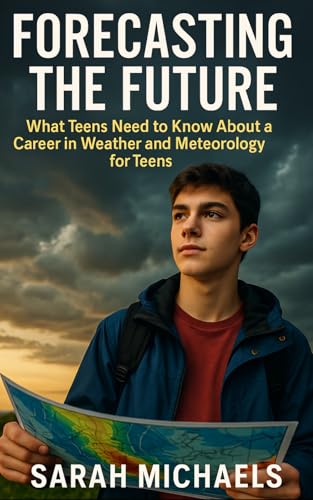
Some books are designed to align with school units. The National Geographic Science 1-2: Weather Big Ideas Student Book, Prentice Hall Science Explorer: Weather and Climate, and Holt Science & Technology: Weather and Climate all connect directly to classroom Earth Science sequences. Books like Forecasting the Future: What Teens Need to Know About a Career in Weather and Meteorology for Teens shift the focus toward career exploration, which can be a helpful companion to a science textbook when a teen is thinking about future study paths.
Build, Size, and Long-Term Use
Physical format matters for how often a book gets used. Hardcover titles from Master Books, Pearson Prentice Hall, Holt, and Salariya are heavier but tend to hold up to repeated handling. Paperback options such as Science Comics: Wild Weather, Discover Science: Weather, and the Meteorology Core Concepts title are lighter and easier to carry, which can matter for teens who read in different settings. The Kindle Edition Science of Weather Student Workbook trades physical weight for device-based flexibility.
Final Recommendation
Science Comics: Wild Weather ranks first overall in this specification-based comparison under the published weighted criteria.
The final choice among the best weather science books for teens depends on the documented features that match your intended use.
For a specification-based first overall choice, Science Comics: Wild Weather stands out as the most specification-aligned entry point in this set, combining an illustrated format that fits teen reading habits with coverage of storms, meteorology, and climate in a single paperback. Teens who need a traditional classroom text will find Prentice Hall Science Explorer: Weather and Climate and Holt Science & Technology: Weather and Climate well suited to course units, while The New Weather Book offers a more reference-style hardcover alternative. Readers focused on climate will appreciate The Science of the Weather, and career-curious teens can pair Forecasting the Future with a concept-driven title such as Meteorology Core Concepts. Together, these picks represent a balanced cross-section of the top weather science books for teens in the US market in 2026.
Frequently Asked Questions
What is the best format for a teen who dislikes heavy textbooks?
Illustrated paperbacks such as Science Comics: Wild Weather and Kingfisher’s Discover Science: Weather keep page layouts lighter and more visual, which often works better for teens who find traditional textbook density off-putting.
Which book is best for a teen who wants a classroom-aligned text?
Titles such as Prentice Hall Science Explorer: Weather and Climate, Holt Science & Technology: Weather and Climate, and the National Geographic Science 1-2: Weather Big Ideas Student Book are designed around school Earth Science units and align well with classroom sequences.
Are there weather science books for teens that also discuss climate change?
Yes. The Science of the Weather: The Changing Truth About Earth’s Climate is built around climate framing, and Science Comics: Wild Weather includes climate alongside storms and meteorology, making either a useful pick when climate context matters.
What book should a teen read if they are curious about meteorology careers?
Forecasting the Future: What Teens Need to Know About a Career in Weather and Meteorology for Teens is written specifically for teens exploring weather careers and pairs well with concept-focused titles like Meteorology Core Concepts: Weather Systems, Storms & Climate.
How do I choose between the best weather science books for teens for a family library?
Think about how the teen will use the book: an illustrated paperback for casual reading, a hardcover reference for long-term study, or a curriculum-aligned text for schoolwork. Matching format and depth to that use case is the simplest way to narrow the list when choosing the best weather science books for teens.