Buying Guide
Choosing among the best how things work books for teens & young adults is easier when you match the book’s structure to the reader’s habits. Some titles are built for deep, sequential reading, while others are designed as browse-friendly references that reward flipping through topics. The ten selections in this guide range from large illustrated hardcovers to compact paperbacks and an interactive lift-the-flap title, so you can align format with attention span and reading style.
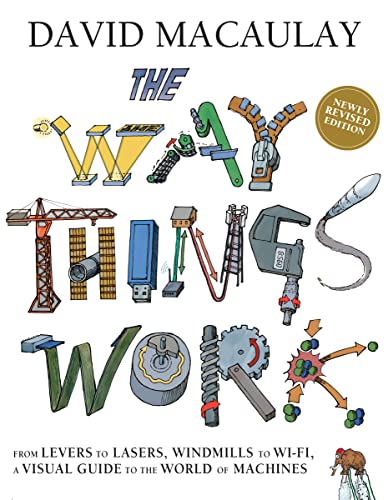
A teen who already enjoys long reference sessions will benefit from a large hardcover such as The Way Things Work: Newly Revised Edition or DK The Way Things Work: A Visual Guide to Machines, both of which use oversized pages to show detailed cutaway diagrams of machines. Younger or more casual readers may prefer a compact paperback like How Things Work: A Broad Topic Survey or The Big Book of How Things Work, which keep entries short and varied.
Readers who learn best through touch and discovery may respond especially well to Lonely Planet Kids How Everything Works, since its lift-the-flap elements turn each spread into an active page rather than a passive read.
Decide Between Broad Surveys and Focused Systems
Some references cast a wide net across machines, nature, technology, and everyday phenomena. National Geographic Science of Everything and How Things Work: A Broad Topic Survey are good examples, covering everything from seasons to architecture to recycling. These are useful for teens who like jumping between unrelated topics.
Other titles focus on a single system and go deeper inside it. How Technology Works: The Facts Visually Explained concentrates on modern devices and networks, How Money Works: The Facts Visually Explained zeroes in on financial systems, and How the Body Works: The Facts Simply Explained is dedicated to human anatomy. If the reader already has a specific curiosity, a focused title can deliver more depth per page than a general survey.
Consider Reading Level and Entry Point
Younger teens and preteens often do best with titles that were designed as first references. First How Things Work Encyclopedia is built for that stage, using short entries and approachable layouts from DK Children. The Big Book of How Things Work serves a similar role through its Young Explorer Series design. Both can sit comfortably on a shared family shelf while still being readable on a reader’s own.
For older teens ready for longer explanations and more complex diagrams, The Way Things Work: Newly Revised Edition and DK The Way Things Work: A Visual Guide to Machines offer dense visual narratives that reward patient reading.
Balance Visual Style and Page Density
DK titles tend to rely on consistent infographics and labeled diagrams that are easy to skim, which suits readers who jump in and out of the book. The Way Things Work titles use long, continuous illustration sequences that tell a story across the page, which suits readers who like to read a topic from start to finish. National Geographic Science of Everything leans on photography and explanatory captions, which can appeal to readers who prefer real-world imagery over abstract diagrams.
Build a Small Reference Shelf
Because the best how things work books for teens & young adults cover different strengths, a small set of two or three complementary titles often works better than a single volume. A broad survey for browsing, a machine-focused guide for visual depth, and one system-specific title can cover most of the questions a curious teen is likely to bring home.
Final recommendation
The Way Things Work: Newly Revised Edition ranks first overall in this specification-based comparison under the published weighted criteria.
The final choice among the best how things work books for teens & young adults depends on the documented features that match your intended use.
For a specification-based top choice, The Way Things Work: Newly Revised Edition stands out as the first overall specification-based pick, thanks to its exceptionally broad topic coverage, dense visual explanation depth, and sturdy oversized hardcover format. Readers who want a more modern technology scope can pair it with How Technology Works: The Facts Visually Explained, while younger or more casual readers may be better served by First How Things Work Encyclopedia or The Big Book of How Things Work as an entry point. Together, these picks represent some of the top how things work books for teens & young adults available in the 2026 US market, and they can be mixed and matched to fit the reader’s age, attention span, and topic interests.
Frequently Asked Questions
What age range suits the best how things work books for teens & young adults?
Most titles in this guide work well for readers roughly ages 10 through 18, with some leaning younger and others leaning older. Entry-level references such as First How Things Work Encyclopedia and The Big Book of How Things Work suit younger readers, while The Way Things Work: Newly Revised Edition and DK The Way Things Work: A Visual Guide to Machines reward older teens who enjoy longer visual narratives.
Are illustrated hardcovers better than paperbacks for this category?
Hardcovers such as The Way Things Work: Newly Revised Edition, DK The Way Things Work: A Visual Guide to Machines, and the DK How Stuff Works series titles tend to support larger diagrams and heavier reference use. Paperbacks like How Things Work: A Broad Topic Survey and The Big Book of How Things Work are lighter, more portable, and often better for casual browsing, though they may show wear faster with frequent use.
Should a teen start with a broad survey or a focused topic book?
A broad survey such as National Geographic Science of Everything or How Things Work: A Broad Topic Survey is a good way to discover which topics spark the most interest. Once a favorite topic emerges, a focused title like How Technology Works: The Facts Visually Explained, How Money Works: The Facts Visually Explained, or How the Body Works: The Facts Simply Explained can deliver more depth on that specific system.
Lonely Planet Kids How Everything Works shows that interactive formats can still appeal to older readers when the illustrations are detailed and the topics include future technology. Flap formats may be best treated as supplements to a denser reference rather than the main reference on the shelf.
How can families build a small how-things-work library?
A balanced starter set can include one broad survey such as National Geographic Science of Everything, one machine-focused guide such as DK The Way Things Work: A Visual Guide to Machines, and one system-specific title such as How the Body Works: The Facts Simply Explained. This combination gives browsing variety, visual depth, and focused depth, which together cover the kinds of questions that come up most often for curious teens.