Buying Guide
Choosing among the best vegetarian meat seasonings starts with identifying the role the blend will play. Some products are dedicated meat-style flavor powders, while others are complete meatless mixes or globally inspired spice blends that happen to work especially well with vegetables and plant proteins. The most useful comparison is therefore not simply whether a label says vegetarian. It is whether the documented flavor, ingredients, application, and format match the dish you plan to make.
Match the flavor direction to the dish
Plant Basics offers the clearest dedicated meat-style range in this group. Its Just Like Beef seasoning fits meatless grounds, burgers, beans, and savory fillings. Just Like Chicken is more appropriate for plant-based chicken-style dishes, vegetables, and recipes where poultry-like seasoning is the intended direction. Just Like Ham provides a different savory lane for beans, soups, vegetables, and recipes that traditionally use ham-style notes.
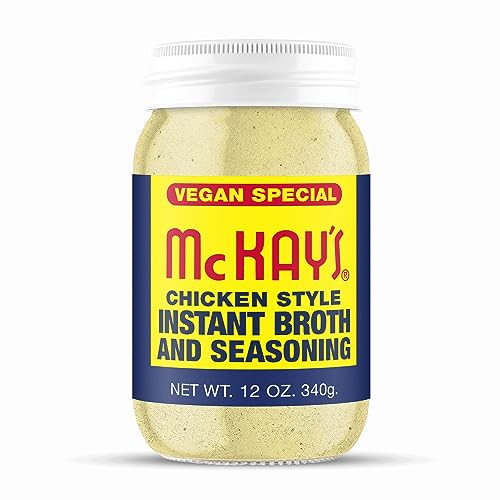
McKay’s Vegan Beef Flavored Soup Seasoning also has a direct beef-style identity, but its listing emphasizes broth, soup, vegetables, and general meals. That makes it particularly suitable when the seasoning needs to dissolve into a liquid base rather than remain as a surface sprinkle. Edora takes a more specialized German approach, documenting use for meat loaves, rissoles, meatballs, stuffed peppers, and fillings. It is a logical match for formed dishes made with lentils, grains, vegetables, or plant-based ground ingredients, although the supplied directions are framed around a conventional ground-beef recipe.
Consider whether you want a blend or a complete mix
Urban Accents is distinct because it combines plant protein with seasoning instead of supplying only a spice powder. Its Sloppy Joe mix is built around a sweet, smoky profile with chipotle chili peppers, garlic, honey, and natural smoke. The listing says it replaces one pound of ground meat and is prepared as a sloppy joe in 15 minutes. This narrow focus can be useful when you want a defined meal format, but it is less flexible than a seasoning intended for multiple recipes.
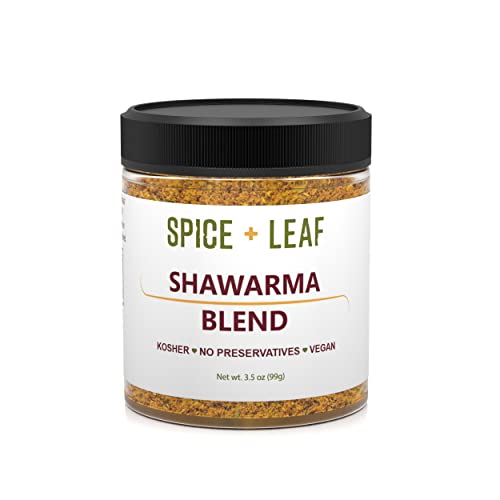
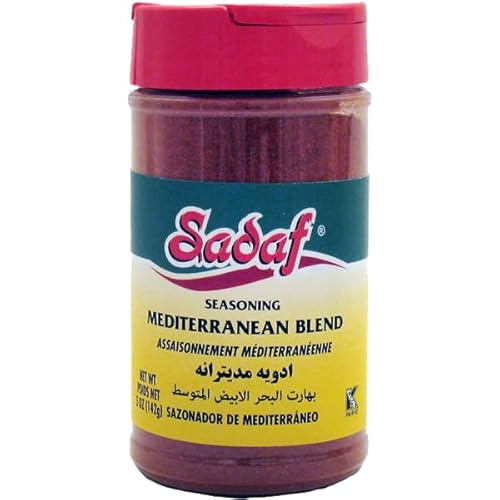
The remaining finalists are primarily spice blends. SPICE + LEAF Premium Shawarma offers coriander, cumin, turmeric, sumac, and other earthy herbs. Sadaf Mediterranean includes paprika, coriander, turmeric, chili, cumin, fennel, cloves, cinnamon, garlic, cayenne, salt, and black pepper. Sadaf Seven Spice uses a Lebanese-style combination that includes allspice, black pepper, coriander, cloves, cumin, nutmeg, and other spices. These blends do not imitate one single meat flavor as directly as the Plant Basics line, but they can provide a more recognizable regional profile for roasted vegetables, grains, legumes, and plant proteins.
Read dietary and ingredient details carefully
The most specification-aligned labels for strict plant-based cooking are the products that explicitly use vegan or 100% plant-based language. McKay’s identifies its seasoning as vegan and says it contains no meat or meat by-product. All three Plant Basics finalists state that they are 100% plant based and also list vegan, gluten-free, kosher, and non-GMO attributes. Edora is identified as vegan and vegetarian, with lactose-free and non-GMO claims.
Vegetarian suitability is not the same as vegan suitability. Sabatino Tartufi is vegetarian friendly but includes pecorino, so it should not be treated as a dairy-free or vegan option. Urban Accents lists honey among its flavor components, which may also matter for some vegan diets. Sadaf Mediterranean documents a detailed spice list and vegetarian positioning but notes shared equipment with wheat, tree nuts, soy, and sesame. For allergy-sensitive cooking, the supplied package and manufacturer information should be checked before use.
Powders are generally the most adaptable format in this selection because they can be mixed into fillings, stirred into broth, or sprinkled over a finished dish. McKay’s is supplied as a powdered soup seasoning, while Plant Basics and Edora are also dry seasoning formats. Urban Accents differs by pairing dry seasoning with plant protein in individual units.
A shaker bottle can make controlled application easier. Sadaf Mediterranean comes in a 5-ounce bottle with a shaker top, Sadaf Seven Spice uses a 2-ounce shaker bottle, and SPICE + LEAF is supplied in a sealed plastic container. The shaker format is practical for vegetables, fries, grains, and plant proteins, but it may be less convenient when a recipe calls for a measured amount mixed into a wet base. Sabatino’s powder is positioned as a versatile finishing ingredient for popcorn, pasta, eggs, vegetables, and other dishes.
Check salt and intensity expectations
Salt information can change how a blend fits into a recipe. SPICE + LEAF explicitly describes its shawarma blend as salt free, so the cook controls salt separately. Sadaf Mediterranean lists salt among its ingredients, and the other blends may require label-specific checking because the supplied evidence does not provide complete formulas for every product. Chili, cayenne, chipotle, and other strong spices also create different intensity expectations. Urban Accents is described as sweet and smoky, Sadaf Mediterranean includes chili and cayenne, and the shawarma blend is described as bold and fragrant.
For a neutral base such as plain tofu, beans, lentils, or vegetables, a focused flavor like beef, chicken, or ham may be easier to match to the intended dish. For a recipe that already has a regional identity, shawarma, Mediterranean, or seven-spice seasoning may contribute more coherent flavor than a generic meat-style powder.
How this comparison was made
This is a specification-based comparison using public listing data, not a hands-on test and not a summary of customer opinions. The scoring criteria assess plant-based suitability, meat-style alignment, ingredient and dietary clarity, recipe versatility, and format or application information. Products were selected only when the supplied title, features, and specifications supported a meaningful vegetarian-use comparison. No performance claims beyond the provided listings were added.
Final Recommendation
Plant Basics Just Like Beef Seasoning ranks first overall in this specification-based comparison under the published weighted criteria.
The final choice among the best vegetarian meat seasonings depends on the documented features that match your intended use.
McKay’s Vegan Beef Flavored Soup Seasoning is the highest-scoring returned product and the first overall specification-based choice for cooks who want a vegan beef-style seasoning with documented soup, broth, vegetable, and meal applications. It has the broadest combination of direct meat-style positioning and practical savory-base use in the supplied evidence.
Plant Basics Just Like Chicken and Just Like Beef are better targeted when the recipe calls for a dedicated poultry-style or beef-style direction. Just Like Ham fills a useful niche for beans, soups, and other dishes where ham-style character is wanted. Edora is the more specialized choice for formed dishes such as meatless loaves and rissoles.
For a complete meatless meal rather than a standalone spice, Urban Accents provides plant protein and a sloppy-joe seasoning in one mix. SPICE + LEAF, Sadaf Mediterranean, and Sadaf Seven Spice are the most specification-aligned choices for cooks who want regional spice profiles across vegetables, grains, marinades, and plant proteins. Sabatino Tartufi is the most distinctive finishing option, provided dairy is acceptable.
Among the top vegetarian meat seasonings, the right choice depends on whether you need a direct meat-style substitute, a recipe-specific mix, or a regional blend. Start with the dish, then confirm the dietary label and the seasoning format before selecting.
Frequently Asked Questions
What are the best vegetarian meat seasonings for plant-based burgers?
Plant Basics Just Like Beef is the most directly aligned option in this comparison because its name and listing target beef-style flavor while identifying the product as 100% plant based. McKay’s Vegan Beef Flavored Soup Seasoning is another option when the seasoning will be incorporated into a savory mixture or broth rather than used only as a surface sprinkle.
Are all vegetarian meat seasonings vegan?
No. Several products are explicitly vegan, including McKay’s, the Plant Basics options, and Edora. Others are only described as vegetarian or vegetarian friendly. Sabatino Tartufi includes pecorino, and Urban Accents lists honey, so neither should automatically be treated as suitable for every vegan diet. Always check the supplied package labeling and current ingredient information for your dietary requirements.
Which best vegetarian meat seasonings work in soups?
McKay’s Vegan Beef Flavored Soup Seasoning is the clearest fit because its listing specifically describes use in soup and broth. Plant Basics Just Like Ham is also a plausible choice for ham-style soup recipes based on its documented flavor direction, while Sadaf Seven Spice is described for soups but provides a Lebanese-style spice profile rather than a direct meat imitation.
What is the difference between a meat-style seasoning and a meatless mix?
A meat-style seasoning is generally a dry flavor blend intended to season another ingredient. A meatless mix can include plant protein as well as seasoning. Urban Accents is the clearest example here: its Sloppy Joe product combines plant protein with a sweet and smoky seasoning blend and is presented as a specific meal preparation. The Plant Basics products and Sadaf blends are seasoning-focused options.
Which vegetarian seasoning is best for shawarma-style meals?
SPICE + LEAF Premium Shawarma Spice Seasoning is the most directly documented choice. Its listing names shawarma, identifies coriander, cumin, turmeric, sumac, and other herbs, and describes use with vegetables and marinades. It is also labeled vegan, vegetarian, dairy free, and salt free, although the recipe may need separately controlled salt.