Buying Guide
This guide compares the best viral diseases books using documented scientific depth and accuracy, topical focus on viral diseases, readability and audience fit, format and reference utility, recency and pandemic relevance, and authoritativeness of publisher.
Start with your reading goal
Before choosing among the best viral diseases books, define what you actually want from the page. A graduate student in virology, a public health instructor, a curious general reader, and someone rebuilding immunity after illness will all need different titles. The picks above deliberately span clinical references such as Molecular Diagnostics for Viral Diseases and Viral Pandemics, narrative histories like Pale Rider and Rabid, and applied reads like The Anti-Viral Gut and The Viral Storm, so matching format to goal is the first filter when selecting the best viral diseases books.
Match depth to audience
Clinical and academic readers
For bench scientists and clinicians, scientific depth and publisher authority matter more than narrative flow. Springer and Routledge titles in this comparison anchor that tier. Molecular Diagnostics for Viral Diseases is the deepest clinical reference, with explicit focus on diagnostic challenges and emerging concepts, while Viral Pandemics serves as a broader survey text suitable for course adoption. Both are strong foundations for anyone building a serious library of viral disease literature.
Trade nonfiction readers
If you want a portable, general-audience book that still respects the science, look to trade imprints such as Harper Perennial, Avery, and Celadon Books. Viral: The Search for the Origin of COVID-19, The Anti-Viral Gut, and Viral Underclass all sit in this zone, each weighting a different angle: investigative reporting, microbiome science, and social equity respectively. These are the kinds of titles that make the best viral diseases books approachable without dumbing down the science.
History and narrative readers
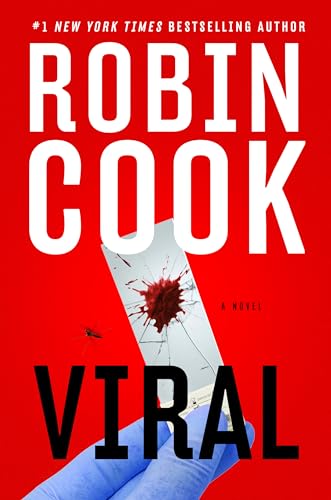
Readers who prefer story-shaped accounts can gravitate to Pale Rider for the canonical 1918 flu history, The Viral Storm for conceptual pandemic framing, or Rabid for a long arc of one virus through culture and science. Viral adds a character-driven narrative layer set against an emerging outbreak. These titles trade some technical density for readability and continuity across chapters, which helps when a reader wants to understand viral disease as a lived experience rather than a laboratory dataset.
Format shapes how a book is used. The Springer hardcover behind Molecular Diagnostics for Viral Diseases is built for shelf reference, while the Routledge paperback of Viral Pandemics travels easily between home, office, and seminar room. Trade paperbacks from Harper Perennial, Avery, and Celadon Books tend to be lighter and friendlier to commute reading, and OUTBREAK arrives as a Kindle edition so you can search outbreak names on the fly. Choosing among the top viral diseases books often comes down to which of these reading contexts matches your week.
Use recency as a tiebreaker, not a filter
A 2024 or 2025 release signals that newer post-COVID scholarship is incorporated, but older classics still earn their place. Pale Rider remains a touchstone for influenza history, The Viral Storm provides pre-COVID framing that foreshadowed later events, and Rabid shows how a single feared virus can shape centuries of culture. Pair a recent title such as Molecular Diagnostics for Viral Diseases with a foundational narrative like Pale Rider to cover both emerging science and the longer arc of viral disease.
Final recommendation
Molecular Diagnostics for Viral Diseases ranks first overall in this specification-based comparison under the published weighted criteria.
For readers who want a single specification-based starting point, Molecular Diagnostics for Viral Diseases is the highest-scoring choice among these top viral diseases books thanks to its Springer medical virology series placement, 2025 release date, and reference-grade hardcover format. Pair it with Viral Pandemics for course-level breadth, Pale Rider for historical context, and The Anti-Viral Gut for an applied immunity angle, and you cover the core of what the best viral diseases books offer in 2026. Together, these four titles span laboratory science, public health survey, historical narrative, and microbiome-based prevention, making them a balanced core collection among the viral diseases books available today.
Frequently Asked Questions
Among the best viral diseases books, what is the best viral diseases book for a general reader?
For a general reader, Pale Rider offers an accessible history of the 1918 influenza pandemic, while The Anti-Viral Gut links microbiome science to everyday viral defense. Rabid is another strong entry point because its single-virus focus reads almost like cultural storytelling rather than a clinical text.
Which title is most useful for students and clinicians?
Molecular Diagnostics for Viral Diseases from Springer is the most specification-aligned reference for graduate students and clinical laboratory professionals, given its position in the Medical Virology series and its 2025 release date covering emerging diagnostic concepts. Viral Pandemics from Routledge complements it as a broader survey text for course adoption.
How recent should a viral diseases book be?
Recency matters most when you need current data on diagnostics, treatment, or post-COVID outbreak analysis, in which case titles from 2024 onward, including The Anti-Viral Gut, Viral Underclass, and Molecular Diagnostics for Viral Diseases, are most useful. For historical context, foundational books such as Pale Rider and Rabid remain valuable regardless of release year, and The Viral Storm still offers a useful pre-COVID framing of pandemic emergence.
Do I need both a clinical reference and a narrative history?
Yes, because they serve complementary purposes. A clinical reference such as Molecular Diagnostics for Viral Diseases or Viral Pandemics anchors the science, while a narrative history like Pale Rider or Rabid provides context that makes the technical material meaningful. Together they form a more complete picture than either alone, which is why the best viral diseases books are often read as a small set rather than a single volume. Viral and The Viral Storm can sit between these poles for readers who want narrative momentum grounded in real outbreak science, while Viral: The Search for the Origin of COVID-19 and OUTBREAK add the investigative and forward-looking edges of the field, rounding out a varied shelf of viral diseases books.