Buying Guide
Selecting the best digestive organ disease books means aligning the title with your reader role, whether you practice in gastroenterology, train in internal medicine, or live with a chronic digestive condition. The list above pairs clinical references with practical, patient-facing guides, so use the categories below to clarify which fit your shelf.
Clinical Reference vs Patient Guide
A clinical reference such as the Sleisenger and Fordtran 2-volume set from Elsevier is built for practicing gastroenterologists, GI fellows, and medical librarians who need pathophysiology, diagnosis, and management in depth. A patient-facing title like Restoring Your Digestive Health or The Vitamin Cure for Digestive Disease takes a plan-based or nutrition-led approach suited to readers managing Crohn’s, colitis, or general digestive symptoms. Choosing between them comes down to whether you need decision-grade detail or daily lifestyle guidance.
Condition Scope and Specialty Focus
If your interest concentrates on a single organ system, look for narrow-scope titles. The Liver Cure focuses on fatty liver, autoimmune disease, and inflammation, while The No-Nonsense Guide to Diverticulosis and Diverticulitis targets a single condition in a primer format. Broader references such as the Sleisenger and Fordtran set or the Clinical Gastroenterology and Hepatology Textbook span multiple organs, including the pancreas, biliary tree, and liver, making them better for clinicians who need cross-specialty context.
Editorial Authority and Publishing Imprint
Imprint and editorial lineage matter for clinical accuracy. Established medical publishers such as Elsevier, Saunders, and McGraw-Hill bring multiple-edition track records and structured editorial review, which is why titles like Digestive Wellness Fifth Edition and the Sleisenger and Fordtran 2-volume set appear repeatedly on clinical reading lists. Independently published titles can still offer useful perspectives, especially for niche or emerging topics, but the absence of institutional vetting may require extra triangulation against peer-reviewed sources.
Audience Specificity and Reading Level
Books written for specialists use dense terminology and assume clinical knowledge, while general-audience titles define terms and explain physiology step by step. Match the reading level to the reader so the book is actually used rather than shelved.
Format shapes how a book is used. Two-volume hardcovers at 11 to 13 inches tall are designed for desk reference and library lending, while 8.5 x 5.5 inch paperbacks such as The No-Nonsense Guide to Diverticulosis and Diverticulitis fit into a bag for daily reading. Large-print editions like the Clinical Gastroenterology and Hepatology Textbook reduce eye strain during long study sessions. Weight, spine thickness, and binding durability all influence whether a book survives routine clinical use.
Integrative and Lifestyle Approaches
Readers focused on prevention, nutrition, or body-mind connections may prefer titles such as Digestive Wellness, The Vitamin Cure for Digestive Disease, or Overcoming Chronic Digestive Conditions. These works integrate lifestyle, supplements, or somatic awareness with digestive health, offering a different lens than the pharmacology-led clinical references. They pair well with, rather than replace, formal medical guidance.
Final Recommendation
Sleisenger and Fordtran’s Gastrointestinal and Liver Disease 2 Volume Set ranks first overall in this specification-based comparison under the published weighted criteria.
The final choice among the best digestive organ disease books depends on the documented features that match your intended use.
For the most comprehensive specification-based profile of clinical depth, condition scope, and editorial authority, the Elsevier 2-volume Sleisenger and Fordtran’s Gastrointestinal and Liver Disease stands as the first overall specification-based choice among the top digestive organ disease books considered here. Readers who need a more accessible, patient-focused companion can pair it with Digestive Wellness Fifth Edition or Restoring Your Digestive Health, while those with a liver-specific interest should keep The Liver Cure on the shortlist. Across the ten titles, the top digestive organ disease books in this comparison pair institutional publishers with condition-specific and lifestyle guides, so you can build a small, targeted shelf rather than a redundant one.
Frequently Asked Questions
Among the best digestive organ disease books, which title is best for a practicing gastroenterologist?
The Sleisenger and Fordtran 2-volume set from Elsevier offers the deepest coverage of pathophysiology, diagnosis, and management among the best digestive organ disease books listed here, making it a strong primary reference for practicing clinicians and GI fellows.
What book should a patient with Crohn’s or colitis read first?
Restoring Your Digestive Health is a plan-based title aimed at Crohn’s, colitis, and digestive disease, and pairs well with Digestive Wellness for broader lifestyle context. Beginners may also find Gastroenterology for Beginners useful for building baseline terminology.
Are there titles focused on liver disease specifically?
The Liver Cure focuses on fatty liver, autoimmune, and inflammation topics, while the Sleisenger and Fordtran 2-volume set includes dedicated liver disease sections. For readers interested in liver-predominant content, those two entries offer different depths of coverage.
How do independently published books compare with major medical publishers?
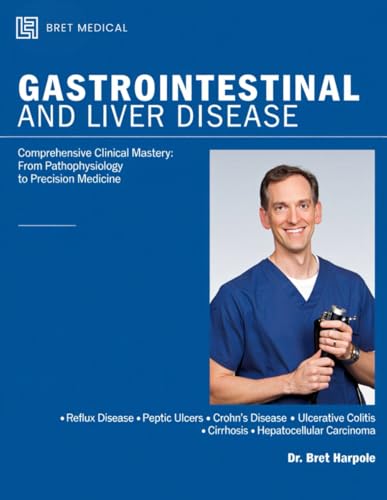
Independent titles such as the Clinical Gastroenterology and Hepatology Textbook and the Gastrointestinal and Liver Disease precision medicine edition can deliver broad scope and modern framing, but they typically lack the multi-edition editorial track record of imprints like Elsevier, Saunders, and McGraw-Hill. Use them as complementary reading rather than primary references.
Look for hardcover binding, clear section organization, an index that supports quick lookup, and dimensions that suit your reading setting. Two-volume hardcovers support desk reference, while large-print paperbacks reduce eye strain during long study sessions.