Buying Guide
This guide compares the best wall mount door stops using documented impact absorption mechanism, construction material, mounting method flexibility, reach and base geometry, surface and door compatibility, finish and aesthetic integration, and safety and child-resilience features.
What Counts as a Wall Mount Door Stop
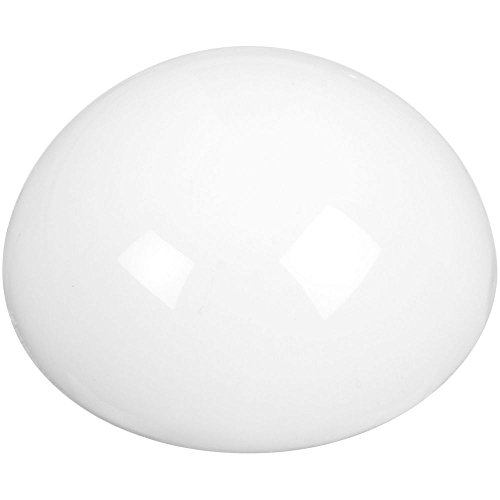
A wall mount door stop is any hardware piece attached to the wall (or sometimes to the door itself) that limits how far a door swings and absorbs the resulting contact. Within the best wall mount door stops, you will encounter four design families: rigid posts, spring bumpers, magnetic holders, and adhesive soft stops. Each family shares the same core job but handles the impact differently.
Match the Stop to the Door
A heavy interior door with a metal knob benefits from a solid zinc or stainless steel rigid post, while a hollow-core door with a lever handle often pairs well with a flexible spring design that can absorb repeated contact without marking the wall. For variable trim heights, a telescoping or height-adjustable model lets you tune reach in place.
Understand Impact Absorption Mechanism
The way a stop absorbs impact is the single biggest specification difference in this category. Spring designs bend slightly on contact, rigid posts transfer energy through a rubber tip, and magnetic or hook designs hold the door before impact happens. Soft plastic and air-cushioned stops rely on compressing material to quiet the contact. Look at the body material and tip material together, since a steel post with a hard plastic tip will mark walls faster than a steel post with a dense rubber buffer.
Construction Material and Finish
Most wall mount door stops in this guide are built from either stainless steel or zinc alloy, with plastic reserved for the lightest, no-tool options. Stainless steel (especially 304 grade) resists rust in humid rooms like bathrooms and holds electroplated finishes well. Zinc alloy supports die-cast shapes that handle heavy doors without bending. Plastic and rubber-only designs suit rentals and low-impact door swings.
Mounting Method Flexibility
Mounting falls into three buckets: screw-only, adhesive-only, and dual-mount with both adhesive and screws. Screw-only stops offer the most permanent hold but require drilling. Adhesive-only stops are renter friendly but may release on uneven or dusty walls. Dual-mount options, often using 3M tape alongside included screws, give installers a fallback if the surface is too rough for adhesive alone.
Reach and Base Geometry
Reach (the distance the stop protrudes from the wall) determines whether the door knob makes clean contact or misses the stop entirely. Base diameter affects how the stop spreads force into the wall. A taller stop with a smaller base can wobble under heavy impact, while a shorter stop with a wide base sits firmly. Adjustable-height stops are useful when you are not sure how far the knob will sit from the wall.
Surface and Door Compatibility
Most metal stops list compatibility with wood, steel, fiberglass, and sometimes glass doors. Adhesive mounts add a separate requirement: the wall surface must be smooth, dry, and clean for the tape to hold. Uneven or textured walls typically need screw mounting regardless of brand. Some magnetic designs also require a metal strike plate on the door to function.
Safety and Child-Resilience Features
For family homes, look for rubber tips that are screwed rather than press-fit into the body, since loose tips can detach and pose a choking hazard. Spring designs flex away from small fingers, while rigid metal posts stay rigid on impact and may need placement away from low-traffic areas where children play.
How to Compare the best wall mount door stops
When comparing the best wall mount door stops, line up the four design families side by side. A spring or telescoping spring is the most versatile option for most residential doors. A rigid stainless or zinc post is the most specification-aligned choice for heavy doors. A magnetic holder is unique when you actually want the door to stay open. An adhesive plastic stop is the easiest to install and remove. Pick the family first, then compare within it on reach, base diameter, and finish.
Final recommendation
HOMOTEK Telescoping Spring Door Stoppers, Satin Nickel ranks first overall in this specification-based comparison under the published weighted criteria.
The HOMOTEK Telescoping Spring Door Stoppers earn the top spot among the best wall mount door stops because the adjustable 3-1/8 to 4-1/4 inch reach adapts to more door-and-baseboard combinations than any fixed-length stop, while the high-carbon steel body and rubber tip absorb impact cleanly. If you need hold-open behavior instead of impact protection, the Crosize Magnetic Door Stoppers are the only magnetic option on this list and a strong fit for windy interiors. For whole-home coverage in one purchase, the HOMOTEK 12 Pack Spring Door Stoppers and ZUOYIGD 6 Pack Spring Door Stops deliver the most hardware per package, making them noteworthy options when you want top wall mount door stops installed throughout the property.
Frequently Asked Questions
Among the best wall mount door stops, are wall mount door stops better than floor mount door stops?
Wall mount door stops protect the wall directly behind the knob and leave the floor clear, which is helpful for cleaning and for accessibility. Floor mount stops work well when the wall behind the door is glass, tiled, or otherwise unsuitable for screws or adhesive.
Do rubber tips really make a difference?
Yes. A dense rubber tip absorbs the impact, quiets the contact, and prevents the metal post from marking the wall. Hard plastic tips transfer more energy and can leave scuff marks on painted surfaces.
How do I choose between a spring door stop and a rigid door stop?
Choose a spring design for everyday residential doors where you want flexible contact and quieter operation. Choose a rigid post for very heavy doors where a flexible spring may compress too far and let the knob still touch the wall.
Can I install wall mount door stops on textured walls?
Textured walls usually prevent adhesive from making full contact, so screw mounting is the safer option. If you want a no-drill solution, look for dual-mount stops that include screws as a fallback.
What is the best wall mount door stop for a rental?
Adhesive-backed soft stops or dual-mount stops with included screws are typical renter choices, since they leave small or no marks. For stronger hold without drilling, magnetic holders that attach to a metal plate on the door are another renter-friendly path.