Buying Guide
The best metal door stops are not all designed to solve the same problem. Some are fixed to a baseboard or wall to stop a door before the knob reaches the wall. Others sit under the door, hold it open, or attach to the door panel for hands-free operation. Start by identifying the door movement you need to control, then compare installation, clearance, material, and floor contact.
Choose the right design
A rigid baseboard stop is the conventional choice when the door repeatedly swings toward a wall. Litepak and KOVOSCH both document solid metal bodies with rubber tips. These stops create a defined stopping point and are suitable when you want a fixture that stays in place. The trade-off is that the mounting location must be chosen carefully, and installation generally involves a screw, drill, or suitable anchor.
A magnetic stop is more appropriate when holding the door open is the main goal. Crosize documents a stainless steel magnetic design that can be mounted on a wall or floor. It supplies adhesive tapes as well as screws, but its listing says adhesive works best on smooth surfaces and recommends screws for a sturdier result. That makes surface condition an important part of the purchase decision.
Floor wedges are the most portable category in this comparison. GRIPNEST, Urgeeo, Sumnacon, and Notakia can be positioned without permanent mounting. This avoids holes and allows the stop to move between locations. However, wedge performance depends on the space beneath the door and the friction between the stopper, door, and floor. GRIPNEST states a 0.2- to 1.2-inch clearance range, while Sumnacon states use within a 1.45-inch door gap. Urgeeo and Notakia do not provide the same precise clearance figure in the supplied evidence, so measure before choosing them.
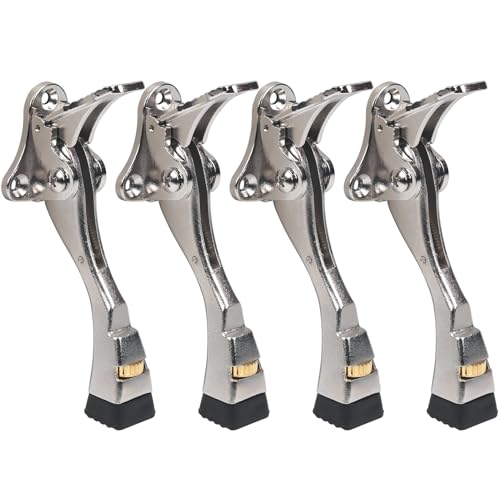
Kickdown stops attach to the door and are activated with a foot. HA SHI and ENYZTBI document this approach. It is useful where both hands may be occupied or where a door must be held at a selected position. These models need screw installation, so they are less convenient to move than wedges. In return, they provide a dedicated mechanism rather than a loose object on the floor.
Compare materials and protection
Metal construction can mean zinc alloy, stainless steel, aluminum alloy, or cast iron. The intended use matters more than the word metal alone. DOKU HOME identifies SUS 304 stainless steel and describes resistance to corrosion and tarnishing, making it a reasonable choice when those properties are priorities. Crosize also specifies stainless steel. Litepak and KOVOSCH use solid or die-cast metal bodies with rubber impact tips, which focuses the design on wall and door protection.
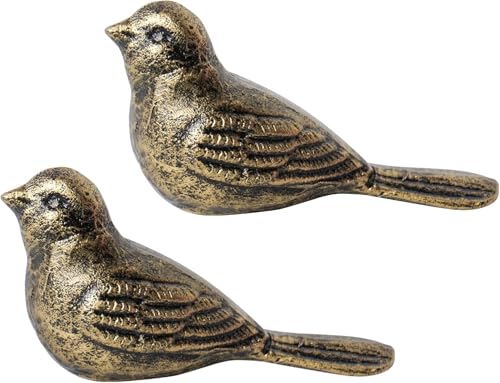
Cast iron models such as Notakia emphasize weight and appearance. Their decorative shapes can suit rooms where a plain hardware finish would look out of place. The weight may help a floor wedge stay in position, but the shape also takes up more space. Aluminum models such as Urgeeo and ENYZTBI offer a lighter alloy construction in their respective designs. Do not assume a material alone determines holding power; the listing evidence also points to rubber contact, weight, mounting method, and door clearance.
Rubber is important wherever the stop touches a floor, door, or wall. It can cushion contact and provide grip, but the supplied listings do not establish identical performance on every surface. Sumnacon lists several flooring materials, while GRIPNEST names hardwood, tile, laminate, vinyl, concrete, and other surfaces. For a delicate floor, look for documented rubber or padded contact and inspect the design for exposed hard edges.
Check installation before ordering
Permanent stops need a suitable mounting surface. Litepak says its stop mounts directly to baseboards and includes a built-in screw. KOVOSCH lists anchors and describes drill-and-screw installation. DOKU HOME includes screws and plastic expansion anchors for wall or door installation. These options are preferable when the stop should remain in a fixed position, but verify that the wall, trim, or door panel can accept the hardware.
No-drill choices divide into two groups. Magnetic Crosize units can use adhesive on smooth surfaces, while floor wedges simply slide under the door. The wedge approach leaves no adhesive residue or holes, but it requires a compatible door gap. A decorative cast iron stopper such as Notakia also uses simple placement and removal rather than hardware.
Kickdown products require a different check: the door panel must accept screws, and the stopper must have enough room to reach the floor. HA SHI documents a small tool-free height adjustment at the rubber tip. ENYZTBI documents an adjustable height button and suggests a larger version for very large situations. Those details make adjustment useful, but they do not replace checking the installation position.
Match clearance and door movement
Measure the gap between the bottom of the door and the floor before selecting a wedge. A stop that is too tall may not slide under the door, while one that is too short may not hold it securely. GRIPNEST provides the clearest range in this group, from 0.2 to 1.2 inches. Sumnacon states a maximum door gap of about 1.45 inches. The Urgeeo listing gives the product dimensions but not a specific clearance range, and Notakia advises checking the door height clearance.
Also decide whether you want to stop opening, prevent slamming, or hold the door open. A baseboard stop limits swing toward a wall. A magnetic stop is intended to hold a door open. A floor wedge can keep a door open without installation, and a kickdown stop can hold or restrict movement from the door itself. These functions overlap, but they are not interchangeable in every doorway.
Consider quantity and placement
Multi-packs are useful when several rooms need the same design. Litepak supplies eight rigid stops, ENYZTBI supplies four kickdown units, and Crosize supplies two magnetic stops. DOKU HOME’s listing includes inconsistent quantity wording, so confirm the package details before purchase. Single-piece or two-piece floor options may be better when only one doorway needs attention or when you want to test fit before outfitting multiple rooms.
For a rental or frequently changing space, a freestanding wedge avoids permanent alterations. For a busy corridor, office, or institutional-style doorway, a mounted kickdown or rigid stop may be more orderly. The best metal door stops for your project are therefore the ones whose design matches the door’s movement and the installation surface, not simply the heaviest or most decorative option.
Final Recommendation
GRIPNEST Zinc Alloy Door Wedges, 2-Pack ranks first overall in this specification-based comparison under the published weighted criteria.
The final choice among the best metal door stops depends on the documented features that match your intended use.
Litepak Premium Heavy Duty 8-Pack Door Stops is the highest-scoring specification-based choice because it combines solid metal construction, rubber-tipped protection, included screw mounting, and coverage for multiple doorways. Among the top metal door stops, it is the most balanced option for permanent whole-home placement.
Choose Crosize if magnetic hold-open control and flexible mounting matter most, especially on smooth surfaces. Select DOKU HOME when 304 stainless steel and a concealed wall-mounted appearance are priorities. HA SHI and ENYZTBI are better fits for foot-operated control, with ENYZTBI adding multi-door coverage.
For no-drill placement, GRIPNEST has the clearest documented clearance range and dual rubber contact. Sumnacon is a weighted floor alternative for regular indoor doors, while Urgeeo offers a compact aluminum wedge. Notakia is the decorative choice when a cast iron accent is part of the room’s look. KOVOSCH remains a straightforward two-piece rigid option for smaller permanent installations.
Before ordering, measure the door gap, identify the contact surface, and decide whether you need a wall stop, hold-open mechanism, wedge, or kickdown design. Those checks will narrow the list more reliably than appearance alone.
Frequently Asked Questions
GRIPNEST, Urgeeo, Sumnacon, and Notakia use floor placement and do not require permanent mounting. Crosize also documents adhesive installation, but its listing says the adhesive is intended for smooth surfaces and recommends screws for a sturdier result. For any wedge, measure the door clearance first; GRIPNEST states a 0.2- to 1.2-inch range, while Sumnacon states use within a 1.45-inch gap.
Yes, but select a design documented for that function. Crosize uses a magnetic hold-open system. Floor wedges such as GRIPNEST and Urgeeo are placed beneath the door to keep it open, while kickdown models from HA SHI and ENYZTBI use a mounted foot-operated mechanism. A rigid baseboard stop is primarily intended to limit the door’s swing and protect the wall.
Choose based on the setting and design. DOKU HOME and Crosize document stainless steel, Litepak and KOVOSCH document solid or die-cast metal, Urgeeo and ENYZTBI use aluminum alloy, and Notakia uses cast iron. Rubber or padded contact is also important because it affects cushioning and grip. The supplied evidence does not establish that one material is universally best for every doorway.
Do I need to measure the door gap?
Measure whenever you are considering a floor wedge or decorative stopper. GRIPNEST and Sumnacon provide specific clearance guidance, while Urgeeo and Notakia provide product dimensions or advise checking clearance without giving the same precise range. Mounted stops still require attention to the door swing, baseboard or wall position, and the location of the screw holes.
Are mounted stops better than floor wedges?
Neither design is automatically better. Mounted stops are a fixed solution for repeated door movement and include rigid, magnetic, or kickdown formats. Floor wedges are removable and avoid holes, which can be useful in rentals or changing spaces. Compare the required function, surface, door clearance, and whether you want a permanent installation before choosing.