Buying Guide
Choosing among the best wood serving platters comes down to how the wood, edge geometry, and size match your serving style. Acacia is the most common hardwood in this category because it resists moisture, shows tight grain, and tolerates direct food contact when properly finished. Paulownia appears in lighter decorative sets that emphasize weight savings over durability. Below are the practical criteria to weigh before you decide.
Material Quality and Hardwood Selection
Acacia hardwood dominates the best wood serving platters because it combines density with moisture resistance, making it suitable for both cheese service and fruit platters. Paulownia, by contrast, is lighter and often used in trays designed for breakfast in bed or coffee table display. Solid single-piece carving, as seen in the Renawe hand-carved pair, signals stronger construction than glued laminates. When specifications call out single-block construction, expect longer service life under repeated washing.
Construction Integrity and Thickness
Thickness directly affects how a platter handles heavy charcuterie boards or stacked appetizers. The Home Beets 36 inch board uses a 1 inch profile for extra rigidity at scale, while the Ayiaren 16 by 10 tray uses 0.8 inches paired with a deeper bowl for spill capture. Lighter 0.6 inch profiles on smaller trays still work for snacks and desserts but may flex under heavier loads. Look for documented thickness rather than inferred strength when comparing sets.
Surface Area and Shape
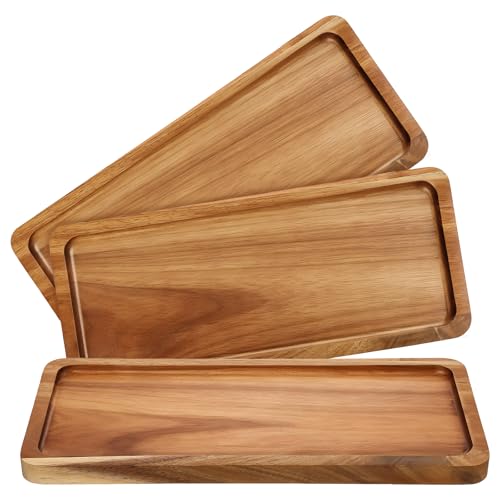
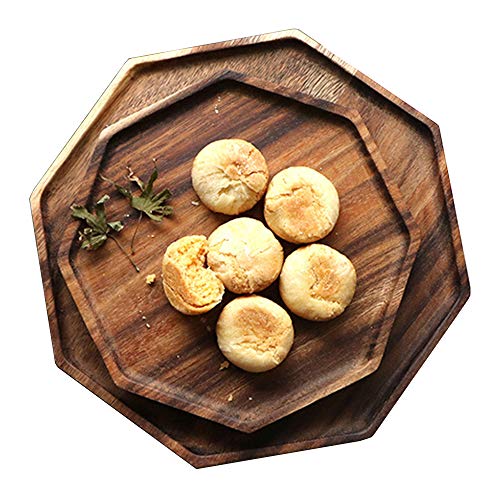
Surface area dictates how many guests you can serve from a single board. Long rectangular formats, such as the 17 by 6.5 inch Home Beets set of three, work well for tiered meat and cheese layouts. Round or irregular oval shapes, like the Okllen five-piece set, favor individual appetizer plating. For statement spreads, the 36 inch Home Beets board offers more continuous surface than any rectangular tray in this guide. Match shape to cuisine rather than aesthetics alone.
Edge and Spill Design
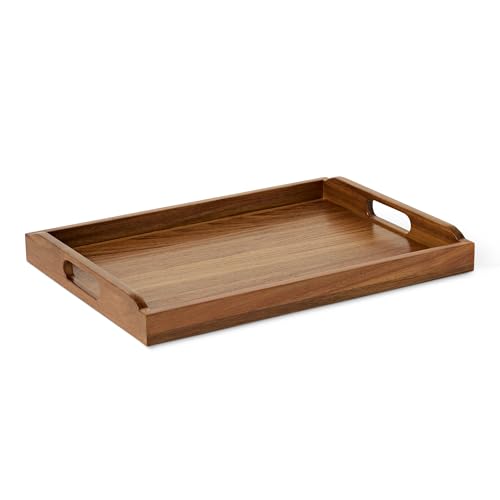
Edges separate flat planks from functional serving trays. The Ayiaren 16 by 10 tray has thick edges and a deeper bowl specifically engineered to catch juices from stuffed mushrooms or sliced fruit. The Charmlife pair adds slightly raised edges for moisture control, while the Lyksgir set combines raised lips with anti-slip pads for stability. Flat boards without edges, such as the Willinglong multi-shape set, prioritize visual presentation over spill containment, which is acceptable for dry snacks but limiting for juicy foods.
Food Safety and Finish
Food safety specifications matter for platters that touch cheese, fruit, and cured meats directly. Several candidates explicitly document PVC-free and toxic-finish-free construction, including the Ayiaren tray, the Charmlife pair, and the HOMKULA ten-piece set. Acacia boards with hand-polished or glossy protective covers, like the Okllen set, also document food-safe finishes. Look for language about food contact safety rather than generic wooden construction claims.
Versatility Across Uses
The top wood serving platters cover both casual daily use and party presentation. Bulk sets such as the HOMKULA ten-pack or Willinglong ten-piece set suit caterers and event hosts. Smaller irregular oval plates serve individual portions for breakfast, coffee, or snack service. A versatile set combines multiple sizes or shapes within one purchase.
Final recommendation
Home Beets 36 x 12 Inch Acacia Serving Board with Handles ranks first overall in this specification-based comparison under the published weighted criteria.
The final choice among the best wood serving platters depends on the documented features that match your intended use.
Among the top wood serving platters in this guide, the Home Beets 36 x 12 Inch Acacia Serving Board with Handles stands out as the first overall specification-based choice, owing to its documented surface area, solid acacia construction, and integrated carry handles. For hosts who want multiple coordinated boards, the Home Beets 17 Inch Solid Acacia Serving Trays Set of 3 is a strong runner-up. If edge-driven spill control is the priority, the Ayiaren 16 x 10 tray’s deeper bowl separates it from flat boards. Together, these picks represent the wood serving platters for 2026 across scale, set count, and edge design.
Frequently Asked Questions
What is the best wood serving platters material for everyday use?
Acacia hardwood is the most documented material for everyday serving among the best wood serving platters because it resists moisture, holds direct food contact finishes, and tolerates repeated cleaning. Paulownia is lighter but better suited to decorative trays than heavy entertaining.
Are raised edges important on the best wood serving platters?
Raised edges are important when serving juicy fruits, cheeses, or meats because they contain liquids that would otherwise run off a flat board. Boards without raised edges work well for dry snacks, crackers, and bread service where spill capture is not a concern.
How thick should the best wood serving platters be?
Thickness between 0.6 and 1 inch covers most serving needs. The wood serving platters at the higher end of that range handle heavier charcuterie spreads without flexing, while thinner profiles suit snack trays and breakfast service.
Can the wood serving platters go in the dishwasher?
Most of the wood serving platters in this guide are documented as hand-wash only, since dishwasher exposure can crack hardwood and strip protective finishes. Wiping with a damp cloth and towel drying preserves the wood grain and extends service life.
How do I choose between a single board and a set of the wood serving platters?
A single large board, such as the 36 inch Home Beets option, suits statement displays and grazing tables. Sets, such as the Home Beets 17 inch trio or the HOMKULA ten-pack, work better for hosts serving multiple courses simultaneously or catering events with varied plate sizes.